
Is a bidet air dryer worth it?
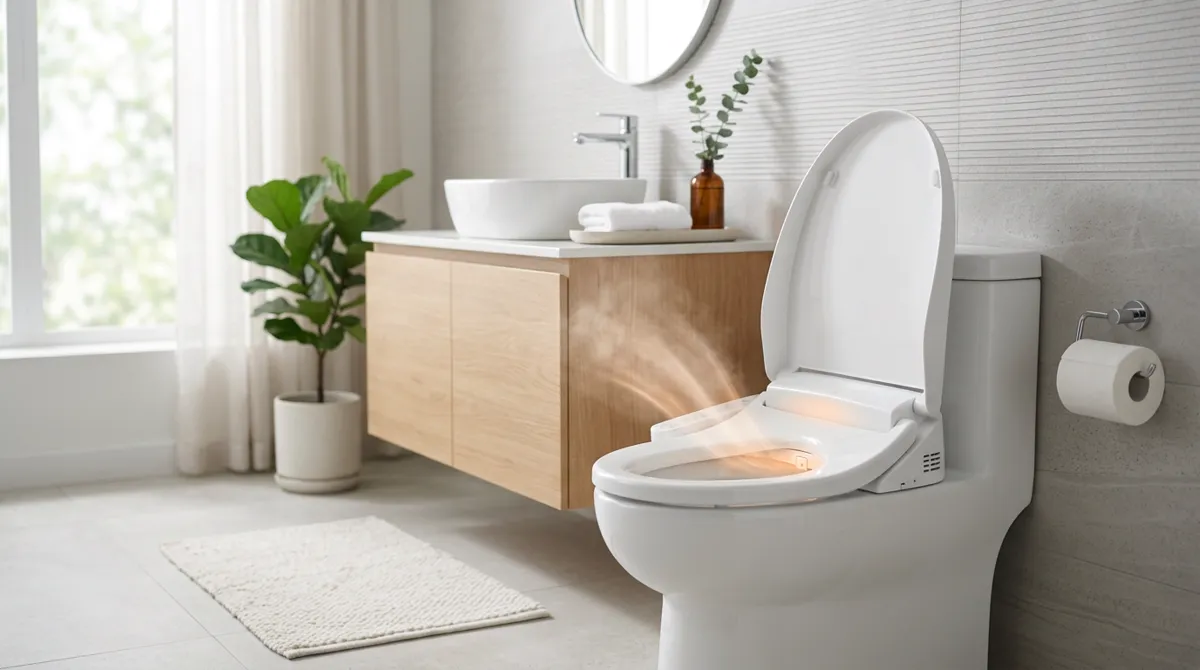
The warm-air dryer is the feature that sells the seat. It's the line item that pushes a bidet from "nice attachment" to "luxury smart seat," and it's the thing people picture when they imagine a fully hands-free, paper-free bathroom: you wash, you press a button, warm air does the rest, you stand up dry. That's the pitch. The reality is more mixed — and worth understanding before you pay the premium a built-in dryer adds to the price.
Here's the honest version. Bidet air dryers do work. They are also slow and gentle by design, so "the rest" takes a while — a single cycle typically runs under a minute, and getting genuinely dry usually means sitting through two or three of them, on the order of a couple of minutes. The airflow is deliberately weak (think a hair dryer on its lowest setting), for a hygienic reason we'll get into. Plenty of owners who paid for the feature end up patting dry with a square of paper or a dedicated towel anyway, simply because it's faster.
None of that makes the dryer useless — for some people it's the whole reason to buy an electric seat. It just means the honest question isn't "is a dryer nice?" (it is) but "is it worth paying more for, for you?" This guide walks through exactly how the feature behaves, who genuinely benefits, who's better off spending that money on wash quality and a heated seat instead, and how to get the most out of a dryer if you do buy one.
Want a seat where the dryer is actually good? See the picks.
See our picks →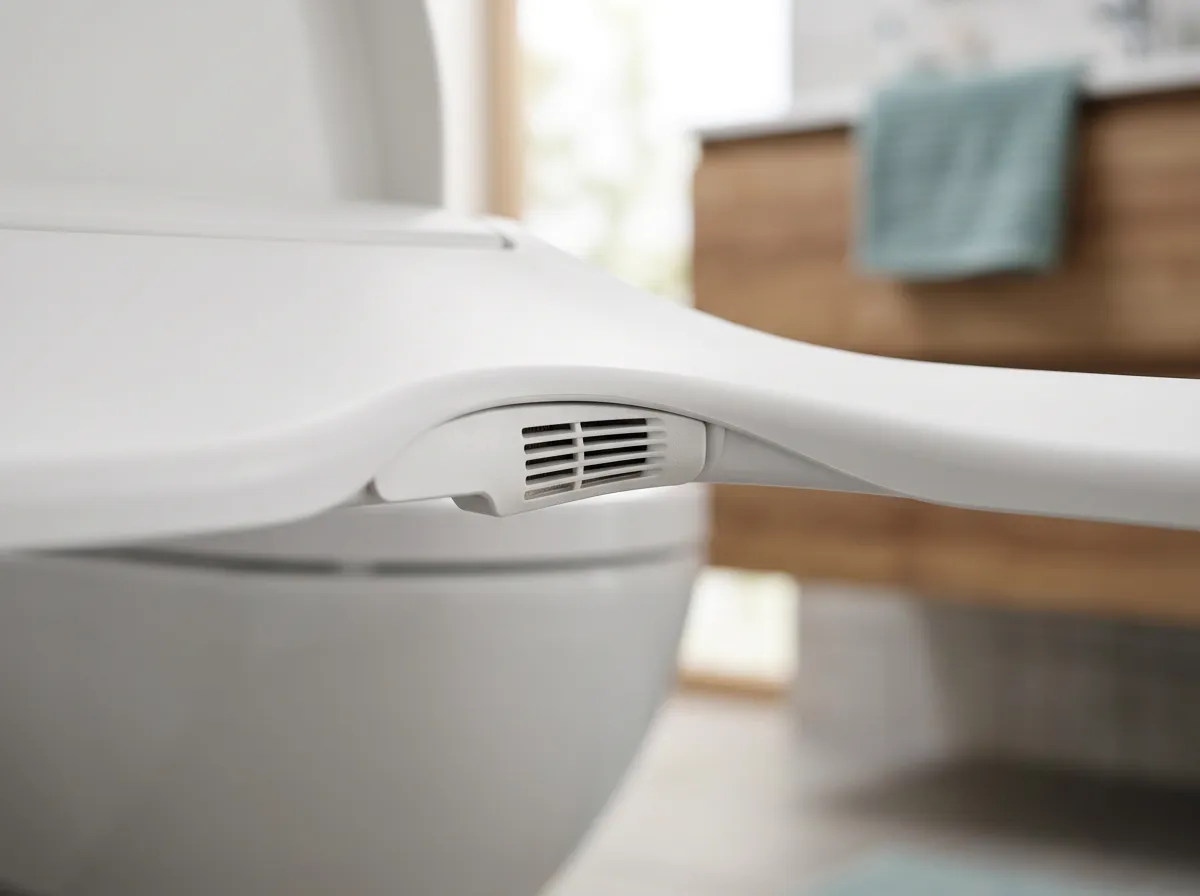
What a bidet air dryer actually is
A warm-air dryer is a small fan plus a heating element built into the back of an electric bidet seat, near the nozzle area. After you wash, you trigger it from the remote or side panel and it blows warmed air up toward the area the wash just cleaned. It is only ever a feature of electric (plug-in) seats — non-electric attachments and cold-water seats have no power to run a fan or heat air, so if a dryer matters to you, you're automatically shopping the electric, higher-priced tier. Manufacturers like Bio Bidet sell seats specifically around this feature, but it isn't confined to the top of the market: electric seats start around $200, and Bio Bidet's entry-level BB-500 line offers a dryer version for a modest step up, as the cost section below shows.
The honest truth: how long it really takes
This is the expectation gap that trips people up. A single dryer cycle usually lasts somewhere around 45 seconds to a minute before it shuts off, and one cycle rarely leaves you fully dry. In practice most people run it two or three times, so "feeling dry" tends to take on the order of a couple of minutes of sitting and waiting — longer if you're larger-bodied, because more surface area and more contact with the seat means more area the airflow can't reach well. If your mental model was a ten-second blast like an airport hand dryer, recalibrate now: this is a slow, patient finish, not an instant one.
Why it's weak — and why that's on purpose
The number one complaint about bidet dryers is that the airflow feels too gentle. That weakness is intentional, and the reason is hygiene: a powerful fan blowing across an area that was, moments ago, being cleaned would risk aerosolizing whatever the wash didn't fully rinse and spreading it around the bowl and bathroom. So manufacturers cap the power on purpose — the airflow is closer to a hair dryer on low than a real blower. It's a genuine engineering trade-off, not a defect or a sign of a cheap unit. Knowing that up front is the difference between "this seat is broken" and "this is how the feature is supposed to behave."
What most owners actually do
Talk to enough bidet owners and a pattern emerges: many people who own a dryer still finish with a quick dab of toilet paper or a small dedicated towel, because it's simply faster than waiting out multiple air cycles. That's not a failure — even used this way, a bidet cuts paper use substantially, because you're patting a couple of squares dry instead of wiping to clean. There's no reliable universal figure for how much, so our bidet toilet paper savings guide shows how to work out your own. The takeaway: don't buy a dryer expecting to eliminate paper entirely. Buy the bidet for the clean; treat the dryer as a convenience that reduces, not necessarily erases, the final pat.
When the dryer is genuinely worth paying more for
There are real cases where the dryer earns its premium. The strongest is limited mobility or dexterity — arthritis, post-surgery recovery, limited reach or grip, or anything that makes the twist-and-reach of drying with paper difficult or painful. For those users a hands-free dry, even a slow one, restores independence and is worth every dollar. It's also worth it if your genuine goal is a fully paper-free bathroom and you're willing to trade time for it, or if you simply find the warm-air finish comfortable and pleasant enough to wait for. If you're in one of those buckets, prioritize seats reviewed as having a stronger dryer specifically — they are not all equal.
When to skip it and spend the money elsewhere
For a lot of buyers, the dryer is the feature most worth trading away to hit a budget. If you're able-bodied and don't mind a quick pat with paper or a towel, the money that a dryer adds is almost always better spent on the things you'll feel every single use: wash quality (an oscillating, adjustable nozzle), a reliable warm-water supply, and a heated seat — the feature owners consistently say they'd miss most. A cheaper electric seat with a great wash and a heated seat, finished with a square of paper, beats a pricier seat you bought mainly for a dryer you end up not waiting around for. Be honest with yourself about whether you'll actually use it.
The cost angle: what the dryer really adds
The dryer's cost usually isn't a line you pay separately; it comes bundled into a fuller-featured seat, which makes it hard to isolate. Bio Bidet's BB-500 series is one place you can see it on its own: on sale when we checked, the seat was $199 without a dryer and $229 as the BB-550 with one, or $219 and $269 at regular price. So a dryer alone doesn't have to push you into the upper tier of the electric-seat market. The running cost is minor: the dryer only draws power during the brief cycles you actually run, so it's a small part of an electric seat's overall electricity use, which itself is modest. If you're weighing the ongoing cost of an electric seat generally, our breakdown of what a heated bidet seat costs to run per year covers the whole picture, dryer included — the heated seat and warm-water heater, not the dryer, are what move the meter.
How to make the dryer work better if you buy one
A few habits close a lot of the gap. First, let the area drip-off for a moment after the wash before starting the dryer — you're asking it to evaporate a thin film, not a soaking, and that alone cuts the time noticeably. Second, if your wash runs warm, the residual warmth helps; a freezing cold-water rinse leaves more to evaporate. Third, accept the two-to-three-cycle rhythm rather than fighting it — start it, let it run, restart. And finally, the hybrid move most owners land on: a single light pat with paper or a towel first, then a short dryer cycle to finish. That combination is faster than either method alone and still keeps paper use to a fraction of what it was.
Tips & warnings
- Reset your expectations: a cycle is under a minute, and full drying usually takes two or three of them. It's a patient finish, not an instant one.
- The weak airflow is deliberate — a stronger fan would spread what the wash just rinsed. It's a hygiene trade-off, not a broken unit.
- Let the area drip-off for a few seconds before starting the dryer. Evaporating a thin film is far faster than drying a soaking.
- The fastest routine is a hybrid: one light pat with paper or a small towel, then a short air cycle to finish. Still cuts paper use to a fraction.
- If you're able-bodied and budget-limited, trade the dryer for wash quality and a heated seat — those are the features owners actually miss.
- If mobility or dexterity is the reason you want a dryer, buy for it deliberately and pick a seat reviewed for stronger airflow — they vary a lot.
Frequently asked questions
Is a bidet air dryer worth it?
It depends on why you want it. A bidet warm-air dryer does work, but it's slow and gentle by design — a single cycle runs under a minute, and getting fully dry usually takes two or three cycles, so budget a couple of minutes. The airflow is intentionally weak for hygiene reasons, so many owners still finish with a quick pat of paper or a towel. That makes the dryer genuinely worth the extra cost for people with limited mobility or dexterity, or anyone committed to a fully paper-free routine who doesn't mind waiting. For able-bodied buyers on a budget, the money a dryer adds is usually better spent on wash quality, warm water, and a heated seat — the features you notice every use.
How long does a bidet air dryer take to dry you?
Longer than most people expect. A single cycle typically lasts around 45 seconds to a minute before it shuts off, and one cycle rarely gets you all the way there. Most people run it two or three times, so a genuine dry tends to take on the order of a couple of minutes of sitting and waiting — and longer for larger-bodied users. If your reference point is an airport hand dryer, this is nothing like that; it's a slow, patient finish. Letting the area drip-off for a few seconds before you start the dryer meaningfully cuts the total time.
Do you still need toilet paper with a bidet dryer?
Often, yes, and that's normal. The airflow is kept gentle on purpose, so rather than sit through several cycles, plenty of owners end with a square or two of paper or a towel. That still takes much less paper than wiping would, because the water has already done the washing, but households differ too much for one savings figure to fit everyone. Buy a dryer to shorten that last step, not in the hope of crossing toilet paper off your shopping list.
Why is my bidet dryer so weak?
Because it's supposed to be. Manufacturers intentionally cap the airflow on bidet dryers — closer to a hair dryer on its lowest setting than a real blower — for a hygienic reason: a powerful fan blowing across an area that was just being cleaned would risk spreading whatever the wash didn't fully rinse around the bowl and bathroom. So a gentle airflow is by design, not a sign of a defective or cheap unit. If yours seems to have gotten weaker over time rather than always being gentle, check that the dryer vent isn't dusty or obstructed, but a generally soft airflow is the feature working as intended.
Does a bidet air dryer use a lot of electricity?
No. The dryer only draws power during the short cycles you actually run — a minute or two per use at most — so it's a minor part of an electric bidet seat's overall energy use. On a plug-in seat, the two features that actually move your electricity bill are the heated seat and the warm-water heater, both of which can run more continuously; the dryer is a rounding error next to those. If you want the full picture of what an electric seat costs to run over a year, see our breakdown of heated bidet seat running costs, which covers every powered feature including the dryer.
Can you add an air dryer to a bidet that doesn't have one?
No — the dryer is a built-in component (a fan plus heating element wired into the seat), so it can't be added to a non-electric attachment or an electric seat that didn't ship with one. If a warm-air dryer is a must-have, you need to buy a seat that includes it from the start, which means shopping the electric, higher-priced tier. The alternative, and what many people choose, is to skip the built-in dryer entirely and keep a small dedicated towel or a little toilet paper on hand for the final pat — a routine that costs nothing and is often faster anyway.
Sources
- BidetKing — Everything to Know About the Warm Air Dryer
- BidetKing — Bidet Toilet Seat 101: Warm Air Dryer
- Bio Bidet — bidet seats with warm air dryers
- Bio Bidet — BB-500 Series bidet seat (BB-500 without dryer vs. BB-550 with dryer, sale and regular prices)