
Are bidets worth it?
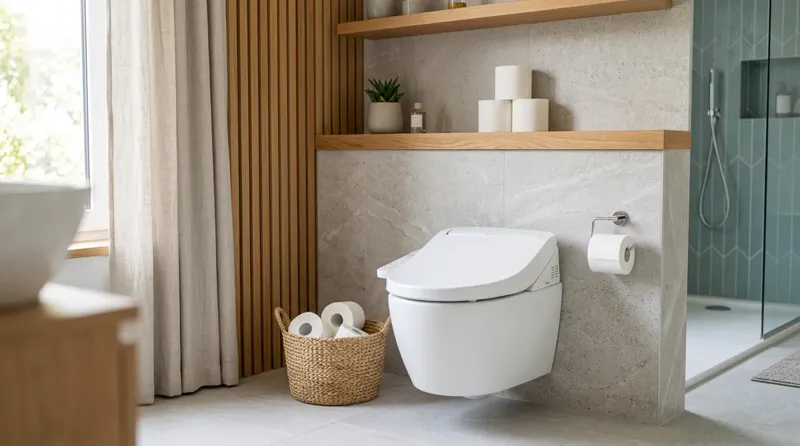
You wipe with dry paper every day and probably never think about it. But more people are asking a simple question: would rinsing with water actually be cleaner, cheaper, and easier on the planet? That is what a bidet does, and the answer is less hype than fans claim and more upside than skeptics expect.
A bidet is just a small water sprayer that rinses you clean after using the toilet. Today you do not need a fancy bathroom remodel. Most people add an attachment or seat to the toilet they already own; a non-electric attachment starts around $30 and is a DIY job with no plumber.
This guide walks through the honest pros and cons: what the toilet-paper savings really look like, the comfort and hygiene upside, the environmental angle, and the three objections people raise most (cold water, installation, cost) with straight answers. By the end you will know whether a bidet is worth it for you, which type fits, or whether to skip it.
Worth a try? Start with a non-electric attachment.
See our picks →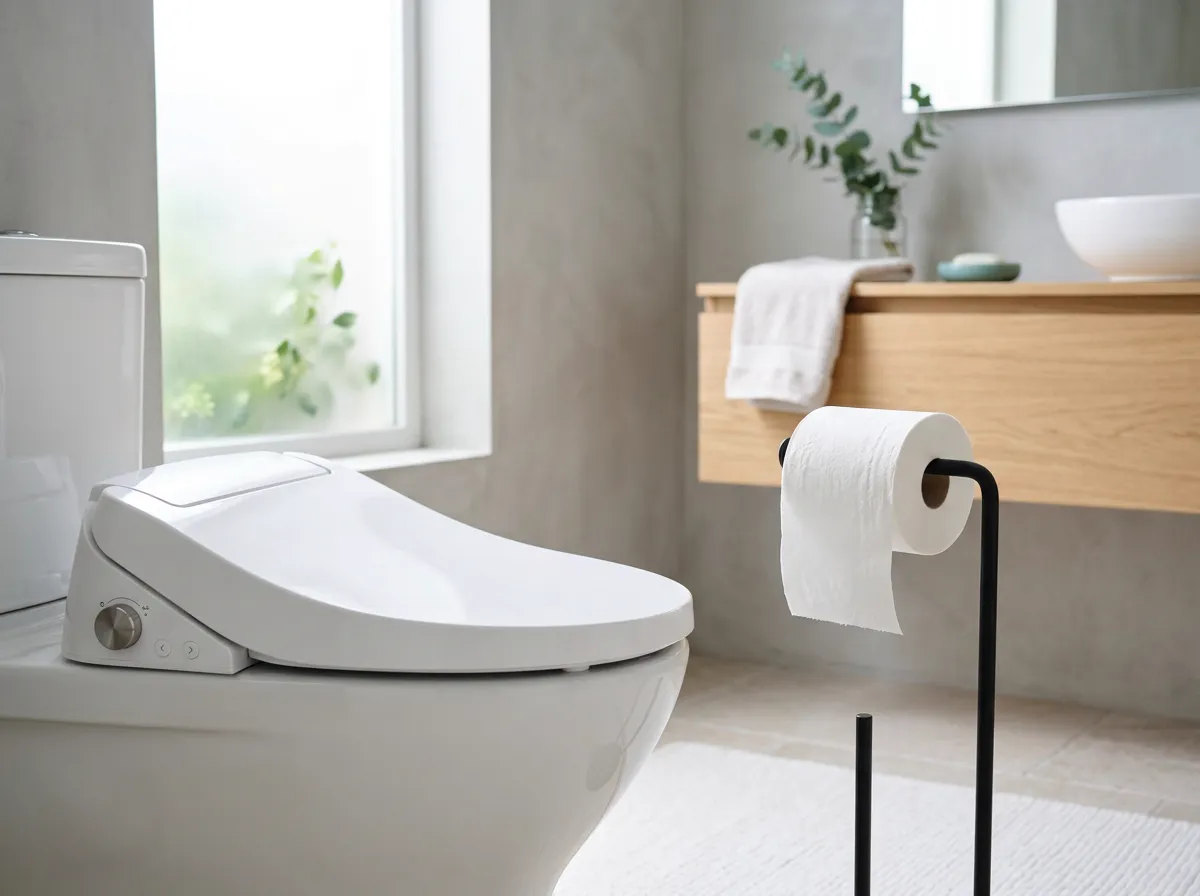
The Toilet-Paper Savings Math
Nobody can give you a reliable savings figure per person or per household, so be wary of any page that quotes one without asking what you spend. A bidet cuts your paper use rather than ending it, since most people still pat dry with a little. Your own number is the one that counts: add up six months of toilet-paper purchases and double it, or estimate it with our toilet paper calculator. If you will still dry with paper, plan on cutting that spend by about half. Divide what the bidet costs in total, installation included, by that yearly saving and you have your payback. A cheap attachment earns its price back soon enough for the savings to count. A premium electric seat takes far too long to repay on paper savings alone, so buy it for comfort and treat the savings as a bonus. Our bidet toilet paper savings guide walks through the method step by step.
Comfort and Hygiene: Water vs. Dry Paper
Water removes more residue than dry paper alone, and it does it without the wiping that can chafe skin and cause tiny cuts. Cleveland Clinic makes both points (the chafing one from gastroenterologist Christine Lee, MD) and says to follow the instructions on water pressure and temperature. Whether the bidet itself stays hygienic is a separate question, covered in are bidets sanitary? A family medicine physician quoted by Banner Health says a warm-water spray can reduce irritation for people with hemorrhoids, fissures and similar conditions, and calls bidets extremely useful for older adults and people with limited mobility from arthritis, an injury or a neuromuscular condition. Treat that as comfort, not treatment. This is general information, not medical advice: if you have a condition or are recovering from an operation, read our guides to bidets and hemorrhoids and bidets after surgery, and ask your doctor or surgeon before relying on one. If limited mobility is the reason you are looking, our guide to bathroom upgrades for aging in place shows where a bidet fits next to grab bars and toilet height.
The Environmental Angle
Toilet paper has a real production footprint. Scientific American, citing Treehugger, reports that making a single roll takes about 37 gallons of water, around 1.5 pounds of wood and 1.3 kilowatt-hours of electricity. A bidet wash, by comparison, uses about an eighth of a gallon, according to a bidet maker quoted in the same article. That is why bidet advocates argue the water a bidet adds at your tap is small next to the water that goes into making the paper you stop buying. Cutting paper use is a real environmental win, though not a zero-impact one, since most people still use some paper to dry and an electric seat draws power.
The Honest Downsides
Cheap attachments spray cold tap water, which is a real shock until you adjust the angle and get used to it. Warm water costs more: electric warm-water seats start around $200 and most mainstream models cost $300 to $600 (our bidet cost guide breaks the prices down), and the non-electric warm kind needs a hot-water line near the toilet that many bathrooms do not have. There is also a short learning curve on aim and a small water-bill increase, and bargain plastic fittings can leak if overtightened. Hygiene takes some care too. Cleveland Clinic and Banner Health both say the spray should run front to back, which matters most for people with a vagina, and that the nozzle needs regular cleaning so bacteria do not build up on it. Banner Health's physician also says a bidet may upset the protective bacteria in the vagina, and Banner advises people with a vagina to watch the water pressure and angle. Our guide to whether bidets cause UTIs covers this in more depth.
Answering the Three Big Objections
Cold water: pick a warm-water electric seat if there is an outlet near the toilet, or a non-electric warm model if there is a hot-water line under a nearby sink. Plenty of people also simply get used to cold on a basic attachment, and our cold vs. warm bidet guide weighs it up. Installation: a standard attachment connects to your existing water line with a simple T-valve, with no plumber and no drilling, and it is fully reversible for renters. Cost: the savings math above covers it; the objection really applies to premium seats, which are a comfort purchase rather than a money-saver.
Which Bidet Is Worth It for You
Match the type to what you want from it. If you want to try a bidet cheaply, or there is no outlet near the toilet, start with a non-electric attachment from our best bidet attachments. If you want warm water, a heated seat or a dryer and have an outlet within reach, an electric seat is the upgrade: see the best bidet toilet seats, or the best bidet seats under $300 if budget sets the limit. Torn between the two? Bidet seat vs. attachment compares cost, installation and comfort. Renters should read renter-friendly bidets for the outlet, fit and lease checks, and if you want one for travel or camping, see the best portable bidets. To see every type ranked in one place, including handheld sprayers and smart toilets, start with the best bidets.
Who It Is Not Worth It For
A bidet is a weaker buy if you have a non-standard or wall-hung toilet, if cold water is a dealbreaker and you have neither an outlet nor a hot-water line near the toilet, or if you are considering a premium seat purely to save money. It is also not a treatment: if you are hoping it will fix hemorrhoids, a fissure or another symptom, see a doctor first. For most people with a standard toilet, though, an inexpensive attachment is a low-risk way to find out whether you like washing instead of wiping.
Tips & warnings
- Start with a non-electric attachment (from about $30) to try the idea before spending on a heated seat.
- Measure your toilet (round vs. elongated bowl, and the bolt spacing) before you buy so the seat or attachment fits.
- If cold water worries you, look for a warm-water electric seat near an outlet, or a non-electric warm model if there is a hot-water line under the sink nearby.
- You still keep a little toilet paper or a towel on hand to pat dry, unless your model has a built-in air dryer.
- Work out your payback from your own toilet-paper spend, not an online average. If you will still pat dry with paper, halving that spend is a conservative estimate of what you save.
Frequently asked questions
Do bidets actually get you cleaner than toilet paper?
Yes, for most people. A water rinse removes more residue than dry wiping and does it without the friction that irritates skin. Many users pat dry with a small amount of paper afterward, so they finish both cleaner and drier.
Is the cold water really that bad?
On a basic attachment, the first few uses are a surprise, but many people get used to it, especially once they dial in the pressure and angle. If cold is a dealbreaker, a warm-water electric seat solves it completely; you just need a nearby outlet.
How much does a bidet cost and how fast does it pay off?
Non-electric attachments start around $30, while electric seats with warm water and a heated seat start around $200, and most mainstream models cost $300 to $600. How fast one pays off depends on what your household actually spends on toilet paper, which is why no single payback figure is reliable. Take your real spend over six months and double it, assume you cut about half if you will still dry with paper, then divide the bidet's total cost, including any installation, by that yearly saving. An inexpensive attachment pays back quickly enough for the savings to be a real reason to buy. Paper savings will not repay a premium electric seat on any schedule worth planning for, so treat it as a comfort purchase.
Can I install a bidet myself, even as a renter?
Most attachments are a short DIY job with a T-valve on your existing water line, no plumber and no drilling. The setup is fully reversible, so it is renter-friendly; just check your lease before adding a permanent warm-water hookup.
Is hygiene a good reason to get a bidet?
For many people it's the main reason: water removes more residue than dry paper and avoids the wiping that can chafe skin. Whether the bidet itself stays clean comes down to the nozzle and how often you clean it. For the nozzle studies and cleaning habits, see are bidets sanitary?
Sources
- Cleveland Clinic — Is using a bidet healthy?
- Banner Health — Is it time to get a bidet or to stick to toilet paper?
- Scientific American — Do bidets save forest and water resources?
- LUXE Bidet — NEO 110 non-electric attachment (price)
- Bio Bidet — BB-500 Series electric bidet seat (sale and regular price)
- Brondell — Swash SE400 electric bidet seat (price)
- Bio Bidet — BB-2000 Bliss electric bidet seat (price)