
How does a bidet work?
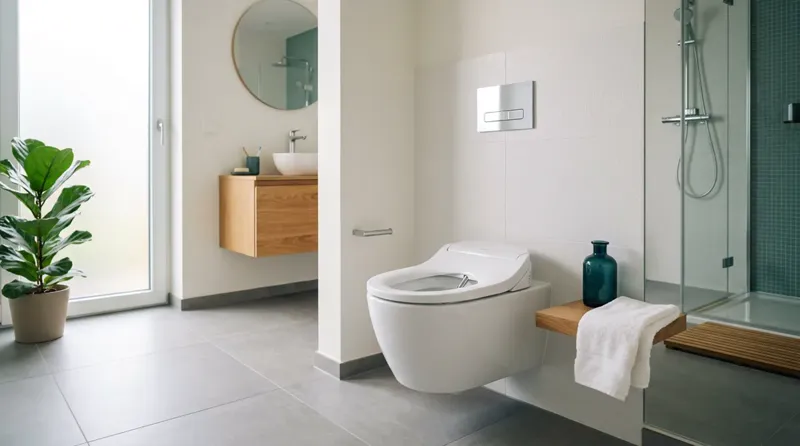
A bidet is simpler than it looks. At its core, it does one job: it sends a stream of clean water to wash you after you use the toilet, so you finish fresh instead of relying on dry paper. Whether it is a $40 attachment or a $900 heated seat, the basic idea is the same.
Where they differ is the plumbing and the gadgets. Some bidets are purely mechanical and run on nothing but your home's water pressure. Others plug in and add warm water, adjustable spray, and even a warm-air dryer. This guide walks through how each part actually works, from where the water comes from to how it gets warm.
Once you understand the four pieces (water source, nozzle, heating, and controls), every bidet on the market makes sense, and it gets a lot easier to pick the right one.
See the bidet seats we recommend.
See our picks →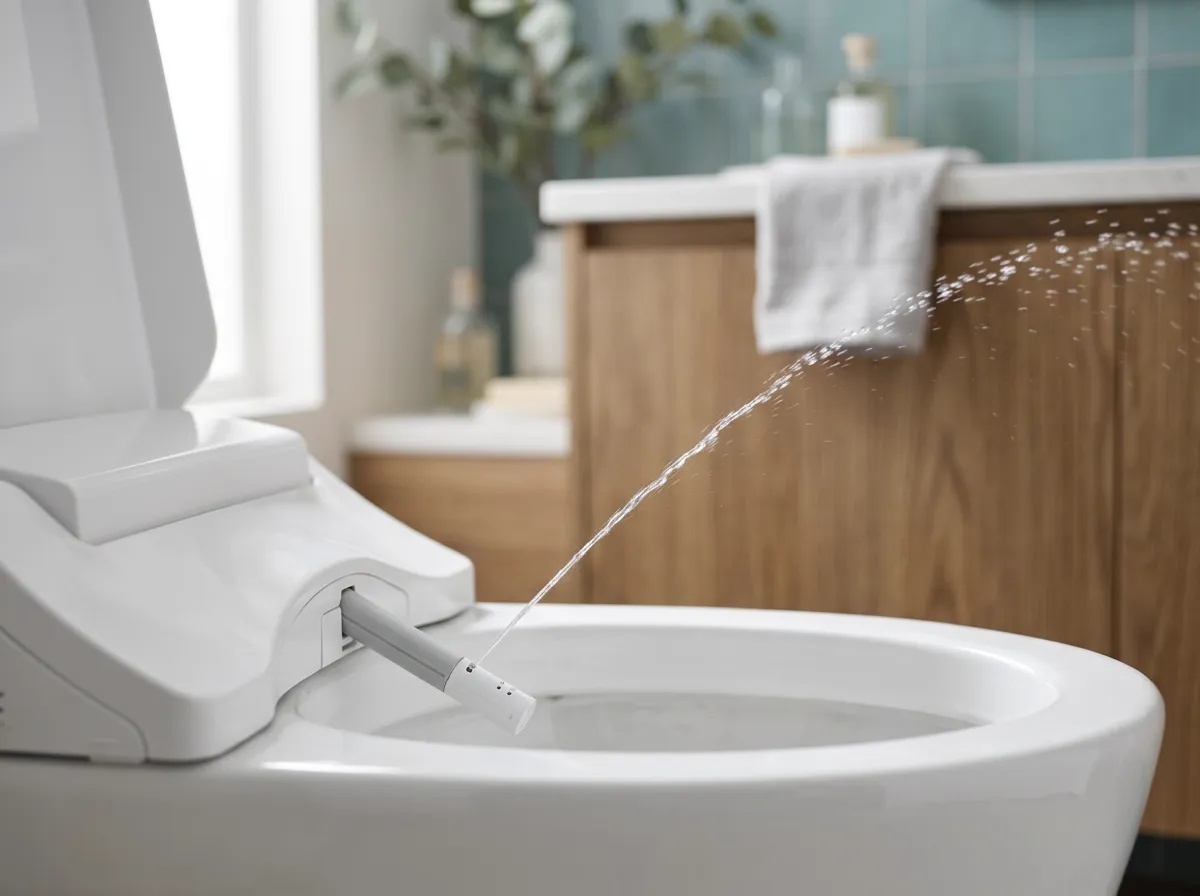
Where the water comes from
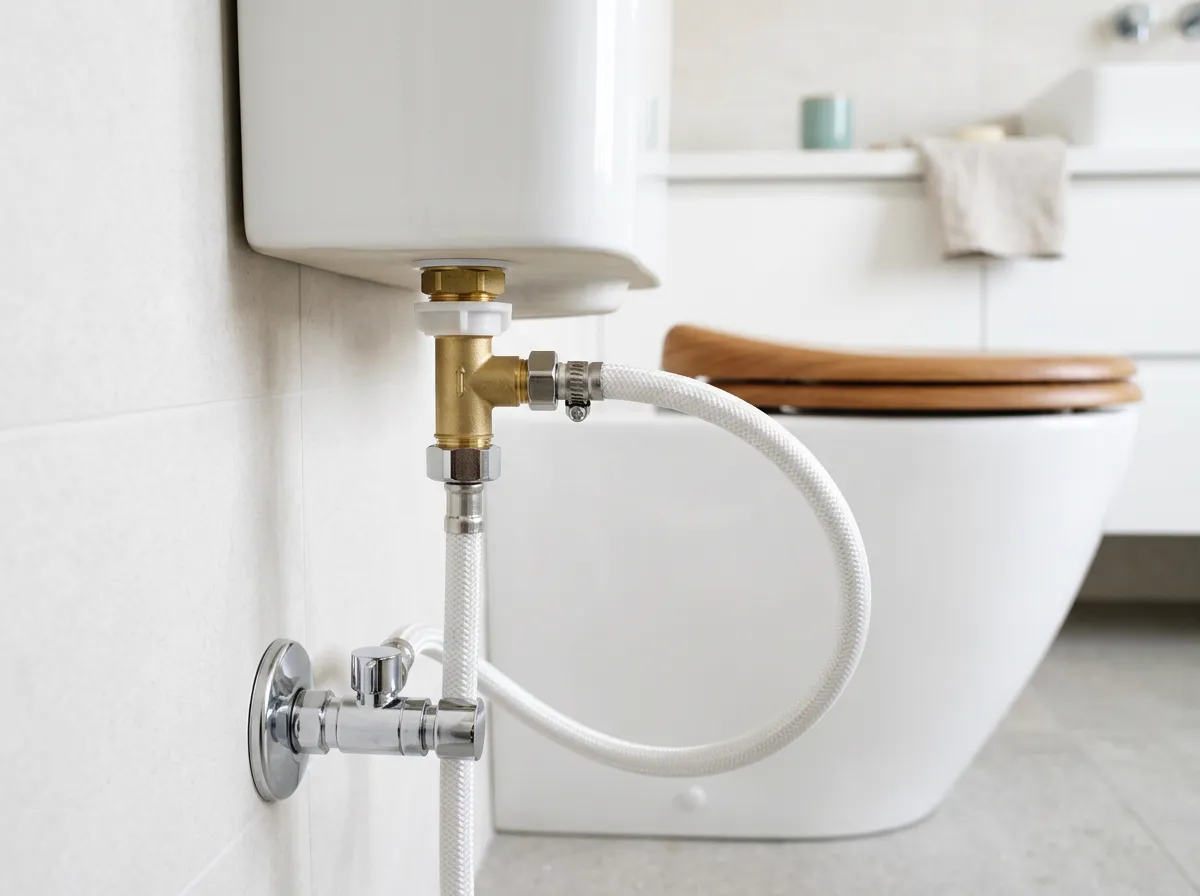
Almost every bidet taps the cold-water line that already feeds your toilet tank. A small T-valve splits that line and routes water through a hose to the bidet. A few warm-water models also tap your sink's hot-water line with a second hose, but only if a hot line happens to be close to the toilet, which many bathrooms do not have.
The nozzle (the part that does the washing)
When you turn the bidet on, water flows out through a thin nozzle, also called a wand, that extends under the seat and aims a focused stream right where you need it. Single-nozzle models handle rear washing only, while dual-nozzle models add a separate front wash positioned for that purpose. Better seats let you slide the nozzle forward or back to fine-tune the angle, and many self-rinse before and after each use to stay clean.
Electric vs. non-electric
A non-electric bidet has no motor and no plug. It runs entirely on your home's water pressure and uses simple mechanical dials and valves, which makes it cheap (often $30 to $80), easy to install in about 15 minutes, and great for renters. An electric bidet plugs in to power add-ons like warm water, a heated seat, a remote control, and a dryer, but it costs more and needs an outlet near the toilet.
How the water gets warm
There are three ways to get warm water. A reservoir-tank seat keeps a small tank of pre-heated water ready, so warmth is instant but only lasts about 30 seconds before it cools. A tankless (on-demand) seat heats the stream as it flows, giving you endless warm water with just a one-second cool burst at the start. A non-electric model can only get warm water by tapping the sink's hot line, and that warmth is whatever the pipe delivers, often lukewarm and slow to arrive.
Pressure and temperature controls
On a non-electric bidet, a dial or lever opens a valve more or less to change the spray force, and your home's water pressure (usually 40 to 80 PSI) sets the ceiling, which is why non-electric units often spray harder than electric ones. Electric seats use buttons or a remote to set both pressure and an exact water temperature, trading raw force for precise, repeatable control.
Drying off
Most non-electric bidets and basic attachments do not dry you, so you finish with a quick pat of toilet paper or a dedicated towel. Higher-end electric seats include a warm-air dryer that blows heated air to finish the job hands-free, though it is slower than a towel and is usually a comfort feature rather than a must-have.
Tips & warnings
- If your bathroom has no hot-water line near the toilet (most do not), an electric seat with a built-in heater is the only practical way to get warm water.
- Want the strongest spray for the least money? A non-electric attachment usually out-pressures an electric seat because it runs straight off your home's plumbing.
- Choose a tankless heater if more than one person uses the bathroom back-to-back, so no one gets stuck with a cold rinse.
- Look for a self-cleaning nozzle that rinses itself before and after each use for the most hygienic setup.
Frequently asked questions
Do you need electricity to use a bidet?
No. Non-electric bidet attachments run entirely on your home's water pressure and need no outlet at all. You only need electricity for extras like warm water, a heated seat, a remote, or a dryer, which are found on electric bidet seats.
Is bidet water clean?
Yes. The water comes from the same fresh, potable supply line that feeds your toilet tank and your sink, so it is the same clean water you drink and bathe in. It is not recycled toilet-bowl water.
Does a bidet spray cold water?
A basic attachment sprays whatever temperature your cold line is, which can feel chilly. Electric seats heat the water to a comfortable, adjustable temperature, and a non-electric model can mix in warm water only if it is connected to a nearby hot-water line.
How hard is a bidet to install?
A non-electric attachment is a simple DIY job: shut off the water, place a splitter valve on the toilet supply line, attach the bidet, and turn the water back on, usually about 15 minutes with no tools beyond your hands. Electric seats follow the same plumbing steps but also need a nearby power outlet.
Do bidets dry you, or do you still need toilet paper?
Most bidets do not dry you, so you finish with a quick dab of toilet paper or a towel. Only higher-end electric seats include a warm-air dryer that can finish the job hands-free.