
Are bidets sanitary?

Are bidets sanitary? For a personal bidet that is used correctly and kept clean, the medical sources say yes. Cleveland Clinic calls a bidet generally safe and effective as a hygiene aid, based on the limited research available, and notes that water removes trace fecal matter better than a few squares of dry toilet paper. The hygiene risk sits in one place, the spray nozzle, and it is highest when many people share the same unit.
The study most often cited against bidets swabbed shared hospital toilets, not home seats: researchers found bacteria on the nozzles of 254 of 292 bidet toilets in a Japanese university hospital. A later study of bidet seats on a university campus found that bacteria on the nozzle did not travel back into the water tank, and that fecal bacteria showed up only in traces in the spray water. Healthline's medically reviewed summary puts it fairly: a handful of studies can't settle the question either way, and cleaning a home bidet regularly may lower whatever risk exists.
Below is what the research measured, what cleaning does, how to use a bidet so it stays hygienic, and the situations where it is worth asking a clinician first. This is general information, not medical advice.
Are bidets sanitary? Personal vs shared, at a glance
| Situation | What the research and medical sources say | What to do |
|---|---|---|
| Your own bidet at home | Cleveland Clinic calls a bidet generally safe and effective as a hygiene aid; Healthline says regular cleaning may lower the risk significantly | Run the nozzle-clean setting daily, wipe the nozzle at least monthly, follow the manual |
| Shared or public bidet | Cleveland Clinic warns everyone who uses a contaminated bidet can be exposed | Run the spray once first, wipe the nozzle if you can, skip shared towels |
| Hospital bidet toilets | 254 of 292 nozzles in a 2017 Japanese hospital study carried bacteria; authors urged disinfection | Patients with weakened immune systems: ask about using your own |
| Nozzle back into the tank | A 2022 campus study found bacteria did not migrate from the nozzle into the water tank | Clean the nozzle surface; flushing water through it helps |
Want a self-cleaning nozzle? See our top bidet seats.
See our picks →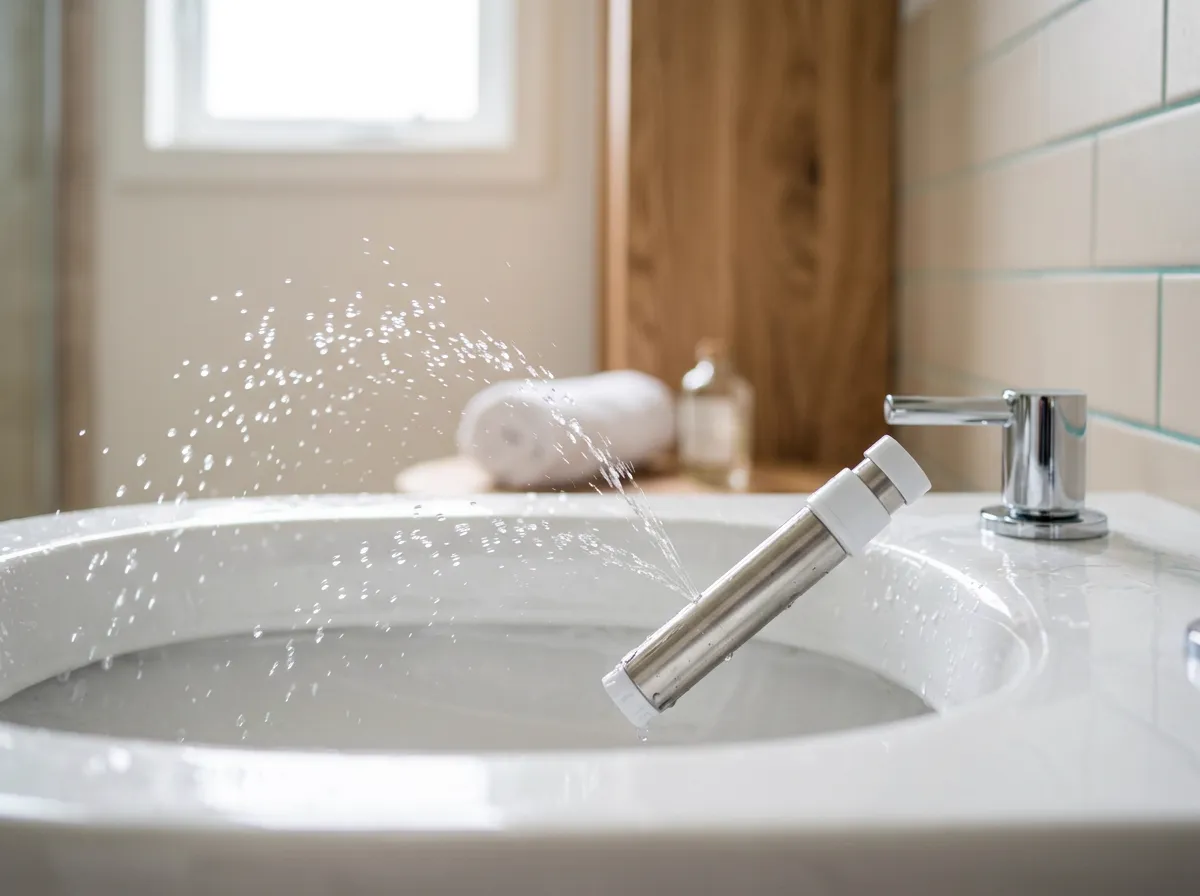
Are bidets cleaner than toilet paper?
Cleveland Clinic's view is that water does a better job than dry paper at removing trace fecal matter, and that wiping can leave fecal matter on your hands or under your nails. Banner Health makes the same point: washing with water removes more fecal bacteria and can help keep it off your hands, and so from spreading to other people. Neither is a reason to skip handwashing. Cleveland Clinic says to wash with soap and water after using the toilet even if you use a bidet. Our bidet vs toilet paper comparison goes further into the cleaning side.
What the hospital study found
The study most often quoted, published in the Journal of Hospital Infection in 2017, sampled all 292 electric bidet toilets at a university-affiliated hospital in Japan. The warm-water nozzles of 254 of them (86.9%) carried one or more of Staphylococcus aureus, Streptococcus, Enterococcus, Enterobacteriaceae (the family that includes E. coli) or other Gram-negative bacteria. One nozzle carried MRSA, and one toilet's nozzle and seat both carried a drug-resistant strain of E. coli. The authors' concern was cross-infection between hospital patients who share toilets, and they recommended monitoring and disinfecting bidet toilets as part of hospital risk management. Healthline notes that bacteria on a nozzle don't guarantee an infection, though one is possible, and that many of the existing studies were done in hospitals where bidets were shared.
What regular cleaning does
Two later Japanese studies looked at what keeps nozzles clean. A 2022 study of bidet seats on a university campus found that daily cleaning of the nozzle surface reduced bacterial counts in the spray water, that water running through the nozzle washed contamination away, and that bacteria did not migrate from the nozzle back into the water tank; fecal bacteria appeared only in traces in the spray. A 2021 study tested nozzle rinses with neutral electrolysed water on a hospital ward and found routine physical cleaning satisfactorily effective, concluding that general cleaning, plus controlling the chlorine level in the rinse water, could reduce the risk of spreading drug-resistant bacteria.
Nozzle-cleaning settings help, but don't replace cleaning
Most bidets have a nozzle-cleaning setting that runs clean water over the nozzle head, and Healthline suggests using it daily and wiping the nozzle at least once a month. Banner Health names the three things that decide how hygienic a bidet stays: how often it is cleaned, whether it has self-sanitizing nozzles, and how many people share it. What you can safely put on a nozzle depends on the model, so check the manual first; our guide to cleaning a bidet nozzle compares what each maker allows.
How to use a bidet hygienically
Cleveland Clinic and Banner Health give the same rules. Aim the spray front to back, the way you would wipe, and keep the water pressure and angle gentle so water isn't forced into the vagina: in Cleveland Clinic's words, a bidet is meant to clean the outside of the body, not the inside. Never let the tip of the nozzle touch your body, follow the manual's cleaning and maintenance steps, and wash your hands afterwards. Our step-by-step guide to using a bidet covers the settings.
Shared bidets carry more risk than your own
Cleveland Clinic warns that if bacteria or virus particles get into the water tank or onto the nozzle, everyone who uses that bidet can be exposed. That is why the risk concentrates in shared units. The 2017 hospital study was about patients sharing toilets, and a 2021 review in the Journal of the Anus, Rectum and Colon advised that hospital patients with weakened immune systems be cautious about sharing bidet toilets, or be given their own. In a public bidet, Healthline suggests running the spray once before you sit so you know where it lands, wiping the nozzle with toilet paper first if you can, and not drying off on a shared towel. For a bidet in your own home, Healthline says regular cleaning may lower the risk significantly.
When to check with a clinician first
A few situations call for a conversation with your doctor rather than a general answer. Banner Health notes that a bidet may disturb the protective Lactobacillus bacteria in the vagina, and Healthline describes a 2010 study of 268 women that linked habitual bidet use with disrupted vaginal flora, and a 2019 study that linked regular bidet use in high-risk pregnancies with earlier births. The 2021 review adds that excessive bidet use can cause anal itching, and that physicians advise people with anal itching to avoid over-washing and people with anal incontinence to stop using a bidet. If any of this applies to you, or you have symptoms, ask a clinician rather than relying on a bidet to manage them. Our guides to bidets and UTIs and bidets during pregnancy go into those questions.
Tips & warnings
- Aim the spray front to back and keep the pressure and angle gentle; a bidet cleans the outside of the body, not the inside.
- Never let the nozzle tip touch your skin.
- Run the nozzle-cleaning setting daily and wipe the nozzle at least once a month, after checking your manual for which cleaners it allows.
- If your bidet has a water filter, keep up with the changes your manual specifies.
- Be more careful with shared and public bidets: run the spray once first, and skip any shared towel.
- Wash your hands with soap and water afterwards, even after using a bidet.
Frequently asked questions
Are bidets sanitary?
For a personal bidet that's used correctly and cleaned regularly, generally yes. Cleveland Clinic considers a bidet a safe and effective hygiene aid based on the limited research available, and says water removes trace fecal matter better than dry toilet paper. The hygiene risk is the spray nozzle: a 2017 study found bacteria on the nozzles of 254 of 292 bidet toilets in a Japanese hospital, where many patients shared each toilet. A 2022 study of maintained bidet seats on a university campus found fecal bacteria only in traces in the spray water, and that daily nozzle cleaning reduced bacterial counts. Aim the spray front to back, never let the nozzle touch your skin, and clean the nozzle on schedule.
Do bacteria on the nozzle get into the water?
Not back into the tank, according to a 2022 Japanese study of bidet seats on a university campus: it found no migration of microbes from the nozzle into the water tank. Bacteria on the nozzle surface can still affect the spray itself, and the same study found that daily cleaning of the nozzle surface reduced bacterial counts in the spray water, while water running through the nozzle washed contamination away. Cleveland Clinic's caution still applies: if germs do get into the tank or onto the nozzle, everyone who uses that bidet can be exposed.
Does the nozzle touch you when you use a bidet?
It shouldn't. Cleveland Clinic's advice is never to let the tip of the nozzle touch your body. On a shared or public bidet, Healthline suggests running the spray once before you sit so you know where it will hit, and wiping the nozzle with toilet paper first if you can.
Are public or shared bidets safe to use?
They carry more risk than your own, because you don't control how often they're cleaned, and Cleveland Clinic notes that a contaminated nozzle or tank exposes everyone who uses it. The bacteria study most often cited against bidets looked at shared hospital toilets. If you use a public bidet, run the spray once before you sit, wipe the nozzle with toilet paper if you can, aim front to back and skip any shared towel. People with weakened immune systems should ask their care team before sharing a bidet in a hospital.
Are bidets safe for women?
Generally yes, with care over direction and pressure. Cleveland Clinic and Banner Health both say to aim the spray front to back and keep the pressure and angle gentle so water isn't forced into the vagina. Banner adds that a bidet may disturb the protective Lactobacillus bacteria in the vagina, and Healthline describes a 2010 study linking habitual bidet use with disrupted vaginal flora. If you're prone to vaginal or urinary infections, or you're pregnant, talk to your clinician about whether and how to use one.
How often should I clean my bidet?
Run the nozzle-cleaning setting daily if your bidet has one and wipe the nozzle at least once a month, as Healthline suggests, and keep up with any filter changes your manual specifies. Check your manual before using anything stronger than water on the nozzle; our guide to cleaning a bidet nozzle compares what each maker allows.
Sources
- Cleveland Clinic — Why bidets are sanitary (and safe) to use
- Banner Health — Is it time to get a bidet or to stick to toilet paper?
- Healthline — How sanitary are bidets, anyway? (medically reviewed)
- Kanayama Katsuse A, et al. Public health and healthcare-associated risk of electric, warm-water bidet toilets. J Hosp Infect. 2017 (PubMed)
- Iyo T, et al. Effect of the cleanliness of spray nozzle on the concentration of microorganisms in the spray water in warm-water bidet toilet seats. Biocontrol Sci. 2022 (PubMed)
- Itami A, et al. Decontamination effect of neutral electrolysed water for spray nozzles of electric warm-water bidet toilet seats in the healthcare setting. Infect Prev Pract. 2021 (PMC)
- Tsunoda A. Bidet toilet use may cause anal symptoms and nosocomial infection. J Anus Rectum Colon. 2021 (PMC)