
How to use a bidet
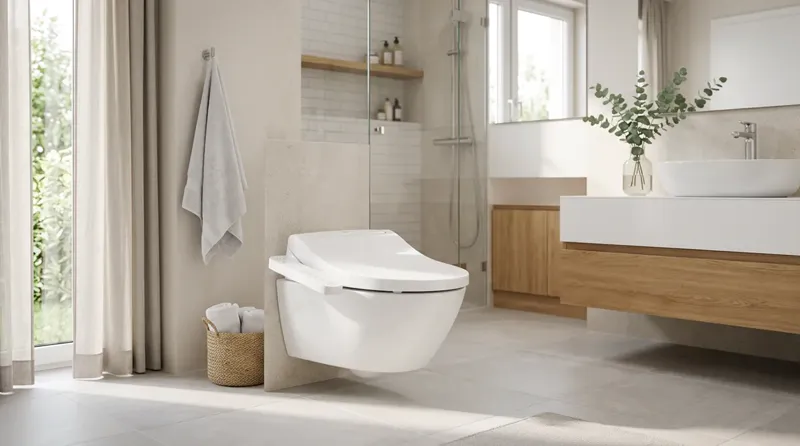
If you have never used a bidet before, you are not alone. Bidets are standard equipment in much of Europe, Asia, and South America, but they are relatively new to most North American bathrooms. The concept is simple: a targeted stream of water does the cleaning work after you use the toilet. Once you try it, most people find it far more effective — and gentler — than toilet paper alone.
The learning curve is short. Whether you are dealing with a standalone porcelain fixture, a handheld sprayer, a simple attachment that slides under your existing seat, or a full electric bidet seat with a remote, the core idea is the same. Water cleans. You dry. That is the whole routine. The differences between types are mostly about features, comfort, and how much installation is involved.
This guide walks you through each type of bidet so you know what you are looking at, then gives you a step-by-step walkthrough for the most popular option in American homes right now: the electric bidet seat. Whether you just bought one or are deciding whether to try one, here is everything you need to know to use it comfortably and confidently from day one.
Want a bidet seat of your own? See our top picks.
See our picks →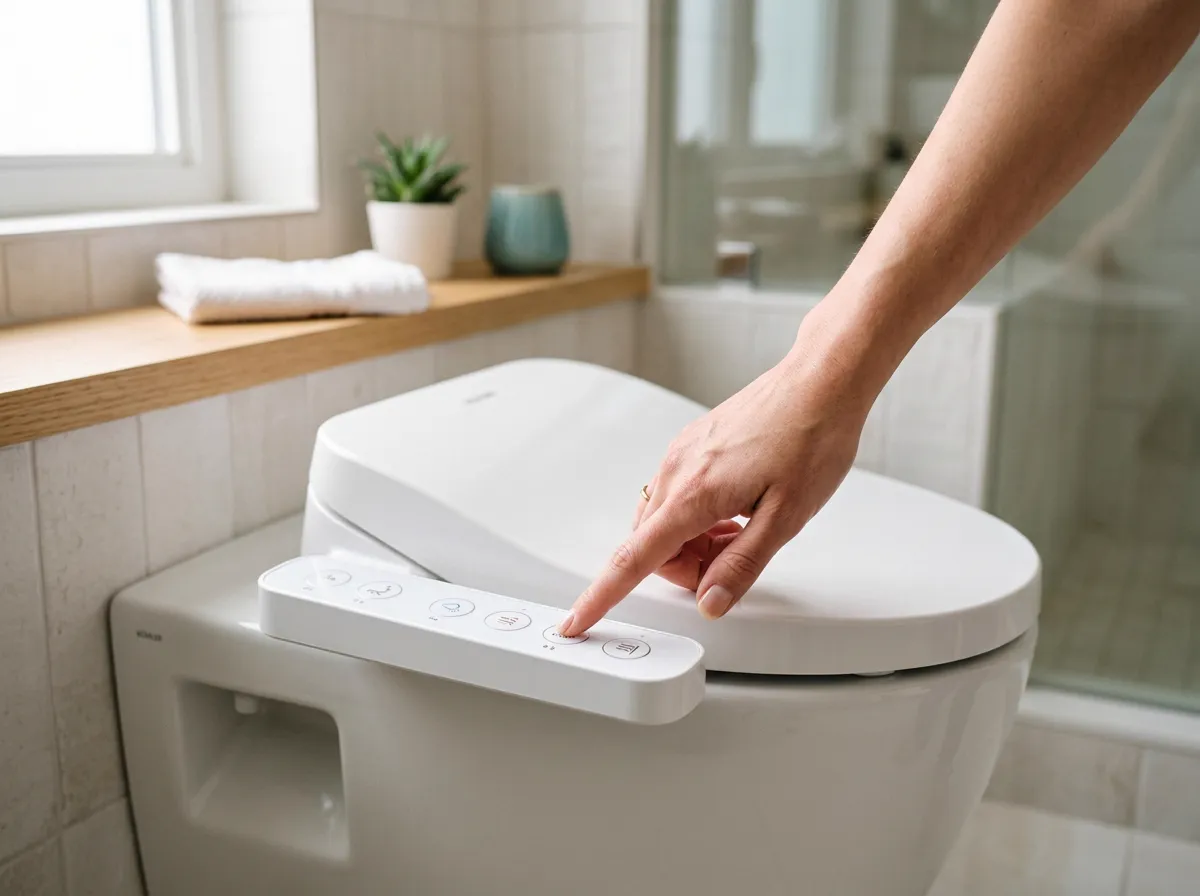
The Four Main Types of Bidets
Understanding what type of bidet you have — or are shopping for — changes the instructions. Here is a quick breakdown of the four most common types. **Standalone bidet.** This is a separate porcelain fixture installed next to the toilet, common in European and South American hotels. You finish on the toilet, then move to the bidet, straddle or sit on it facing the faucet or away from it, and use the water controls to rinse. It requires its own plumbing connection and dedicated floor space, which is why it is rare in most North American bathrooms. **Handheld sprayer (bidet shower or shattaf).** This is a trigger-style hose mounted on the wall or tank, similar to a kitchen sprayer. You hold it in one hand and direct the spray yourself. These are very common in Southeast Asia and the Middle East. They are inexpensive (often $25–$60), easy to install with a T-valve on the toilet supply line, and give you full control — but they also require some coordination to use without splashing. **Non-electric bidet attachment.** A thin plate that installs between your existing toilet seat and bowl. It connects to the toilet's water supply line and typically has one or two nozzles controlled by a knob or lever on the side. Non-electric attachments use unheated water and have no powered features, which makes them affordable (often $30–$100) and easy to install. They are a popular entry point. **Electric bidet seat.** A full replacement seat that plugs into a standard GFCI outlet (required near any water source). Electric seats add warm water, a heated seat surface, adjustable spray pressure, an oscillating or pulsating wash mode, and most include a warm-air dryer. They range from about $200 for basic models to $800 or more for premium units. This is the type most people are referring to when they talk about a "bidet seat," and it is the focus of the how-to section below.
How to Use an Electric Bidet Seat: Step by Step
The specific buttons and labels differ by brand, but the sequence is the same across virtually every electric bidet seat on the market. **Step 1: Use the toilet normally, then stay seated.** The bidet seat has a body sensor — usually a small lever or pressure pad under the seat — that only activates the wash function when someone is sitting. This is a safety feature that prevents the nozzle from spraying into the open air. Sit all the way back on the seat so you are centered over the bowl. **Step 2: Find the controls.** Most electric bidet seats have a side panel mounted to the right of the seat, a wired remote that clips to the wall, or a wireless remote. Take a moment before pressing anything to locate the main wash button (usually labeled "Rear" or with a back-wash symbol) and the pressure and temperature controls. **Step 3: Start the wash.** Press the Rear Wash button (or Front Wash for feminine cleansing). The nozzle will extend from its housing — it does not touch your skin — and begin spraying. It typically takes 2–4 seconds to start. Do not lean forward to look; just wait for the sensation. **Step 4: Adjust pressure and nozzle position.** If the first spray feels too strong or is not reaching the right spot, use the pressure control to dial it down. Most seats also let you adjust the nozzle position forward or backward by a few centimeters. Small adjustments make a big difference. Start low on both pressure and temperature until you know what feels comfortable for you. **Step 5: Adjust water temperature.** If the water feels too cold, bump the temperature control up one level at a time. Most seats have three to five temperature settings. Warm water (not hot) is comfortable for most people. Avoid the highest heat settings on sensitive skin. **Step 6: Wash for 30–60 seconds.** That is typically enough time for effective cleaning. Some people prefer the oscillating or pulsating mode, which moves the nozzle back and forth for broader coverage. These modes are often a separate button labeled "Oscillate" or shown with a wave symbol. **Step 7: Stop the wash and dry.** Press the stop button or press the wash button again to retract the nozzle. If your seat has an air dryer, press the Dry button. The dryer takes 60–90 seconds to fully dry the area. If you prefer to use toilet paper, pat dry with one or two sheets — do not wipe, since the area is already clean and rubbing can cause irritation. A light pat is all you need. **Step 8: Stand up normally.** The seat sensor will detect your absence and the nozzle will self-rinse if the model includes that feature. Most electric seats run a short nozzle rinse cycle automatically after each use.
Hygiene Notes Worth Knowing
A few hygiene basics that apply regardless of which type of bidet you use. **Spray direction matters.** When using the front-wash or feminine-wash function, the water should flow front to back, not the reverse. Rinsing front to back reduces the risk of spreading bacteria toward the urethra or vagina. Many electric seats default to a gentle, forward-aimed nozzle position for front wash to handle this automatically. If you are using a handheld sprayer and directing it yourself, keep this in mind. **Self-cleaning nozzles are not zero-maintenance.** Most electric bidet seats advertise a self-cleaning nozzle that rinses with water before and after each use. This is genuinely useful, but the nozzle tip still benefits from a manual wipe-down every couple of weeks using a soft cloth and mild soap or diluted white vinegar. Do not use harsh abrasives on the nozzle tip. **You do not need to pre-wipe.** Many first-time users assume they need to wipe before using the bidet. You do not. The water handles the cleaning. Using bidet first, then a light pat dry with one or two squares, is more effective than wiping with paper and more gentle on sensitive skin. **Shared bathrooms and guests.** If you share a bathroom with others, it is good practice to use the nozzle self-clean function before use rather than relying only on the post-use rinse. Most seats have a dedicated "Nozzle Clean" button.
Using a Standalone Bidet
If you are staying somewhere with a standalone bidet — a separate fixture next to the toilet — here is how to use it. After finishing on the toilet, move to the bidet. You can either face toward the faucet (straddle-style, sitting as you would on a chair) or face away from it (sitting as you would on a toilet). Facing away gives easier access for most people. Turn the water on slowly. Cold-water-only standalone bidets are common in older European bathrooms; turn the knob gently to avoid a full-pressure blast. Adjust temperature if both hot and cold handles are present. Use your hand to direct water to the area you want to clean, or lean forward or back slightly to position yourself over the jet. Rinse for 20–30 seconds. Dry with toilet paper or a dedicated bidet towel — in hotels, these are often the small towels hung near the bidet. Bidet towels in your own home should be washed frequently, ideally after each use or at least every two to three days, and kept separate from hand towels and bath towels.
Using a Handheld Bidet Sprayer
The handheld sprayer is the most hands-on option. It mounts on the wall next to the toilet and connects to the toilet's water supply via a small T-adapter. Installation typically takes 15–20 minutes with no special tools. After using the toilet, stay seated or stand slightly. Pick up the sprayer with your dominant hand. Point it toward the area you want to rinse, keeping your hand and wrist positioned where the spray will not hit them (angle slightly downward into the bowl). Squeeze the trigger gradually — these sprayers can have strong pressure, especially if your home water pressure is high. Some models include a pressure-control valve on the mounting bracket, which is worth using. Rinse for 15–30 seconds, then set the sprayer back on its holder. Pat dry with a small amount of toilet paper or a towel. Because handheld sprayers use unheated water, they can feel cold in winter unless your home's supply line runs warm quickly — something to be aware of if you are in a cold climate.
Tips for First-Time Electric Bidet Seat Users
If you just installed an electric bidet seat or are using one for the first time, these practical notes will make the adjustment much easier. **Read the control panel before sitting down.** Spend 60 seconds looking at the panel or remote before you need it. Knowing where the Stop button is matters when the pressure is stronger than expected. **Start every setting on low.** The first time, set water pressure to level 1, water temperature to level 1 or 2, and seat temperature to your preference. You can increase from there. High pressure on a first use is uncomfortable and can feel startling. **The nozzle will not touch you.** This is the most common concern new users have. The nozzle extends from the rear of the seat housing and positions itself below the bowl rim, not at skin level. It cleans without contact. **Do not hover.** The seat sensor requires actual seated body weight to activate. If you hover slightly — a habit some people have in public restrooms — the seat may not register you as present, and the wash function will not engage. **The air dryer takes longer than you expect.** If your seat has an air dryer, plan for 60–90 seconds of drying time. It is warm and comfortable but slower than paper. Many people combine both: 45 seconds of dryer, then one light pat with a square of paper.
Tips & warnings
- Always start water pressure and temperature on the lowest setting the first time you use a new bidet seat. You can adjust up, but a cold or high-pressure surprise is unpleasant and can cause people to give up on the experience entirely.
- Electric bidet seats must be plugged into a GFCI-protected outlet — the kind with test and reset buttons typically found in bathrooms. If the outlet near your toilet is not GFCI-protected, have an electrician add one before installing the seat. Do not use an extension cord.
- For front or feminine wash, always rinse front to back to avoid carrying bacteria forward. Most electric seat front-wash modes are designed to handle the correct direction automatically, but confirm in your model's manual.
- Bidet seats are not waterproof units — the control panel and seat connections should never be submerged or sprayed directly with cleaning products. Wipe down the exterior with a damp cloth and mild cleaner only.
- If you share the bidet with family members, lock the settings to avoid someone accidentally starting a wash cycle at maximum pressure. Many mid-range and premium electric seats include child-lock or setting-memory features per user.
Frequently asked questions
Do you still use toilet paper with a bidet?
Most people use a small amount of toilet paper after a bidet — just one or two squares to pat dry. The bidet handles the cleaning; paper is only for drying. If your electric seat has an air dryer, you may not need paper at all. Either way, you will use significantly less toilet paper than before.
Is bidet water sanitary? Will I get splashback from the toilet bowl?
Bidet water on an electric seat comes from the same household water supply as your sink — it is clean tap water. The nozzle is housed inside the seat unit, not submerged in the bowl, and it extends only when activated. Well-designed seats run a nozzle self-rinse before and after each use, which keeps the tip clean. Splashback from the bowl is not a normal issue with properly designed nozzle positioning.
Can women use a bidet safely?
Yes. Most electric bidet seats include a dedicated front-wash or feminine-wash mode with a gentler, wider spray pattern angled for the front. The key hygiene rule is to rinse front to back — never back to front — which avoids moving bacteria toward the vaginal area. The front-wash nozzle on electric seats is typically designed to spray in the correct direction by default.
What is the difference between a bidet attachment and an electric bidet seat?
A bidet attachment is a thin plate that installs between your existing seat and bowl. It connects to your toilet's cold water supply and has no electrical components, so it uses unheated water. It is inexpensive (often $30–$100) and easy to install. An electric bidet seat replaces your entire seat and plugs into an outlet. It adds warm water, a heated seat, adjustable pressure and spray modes, and usually a warm-air dryer. Electric seats cost more and require a nearby GFCI outlet, but they offer a noticeably more comfortable experience.
How long does it take to get used to a bidet?
Most people adjust within two to three uses. The main surprises for first-timers are the initial sensation of water and the fact that the nozzle self-positions without touching you. Starting on low pressure and warm water makes the first few times much more comfortable. By the end of the first week, most people find the routine completely natural.
Can I use a bidet if I have hemorrhoids or sensitive skin?
Many people with hemorrhoids or sensitive skin find a bidet gentler than dry toilet paper, which can cause irritation. Use a low pressure setting and warm (not hot) water. The goal is gentle rinsing, not a forceful spray. Pat dry rather than rubbing. If you have a specific medical condition or have recently had surgery, ask your doctor whether bidet use is appropriate for your situation.