
What is a bidet?
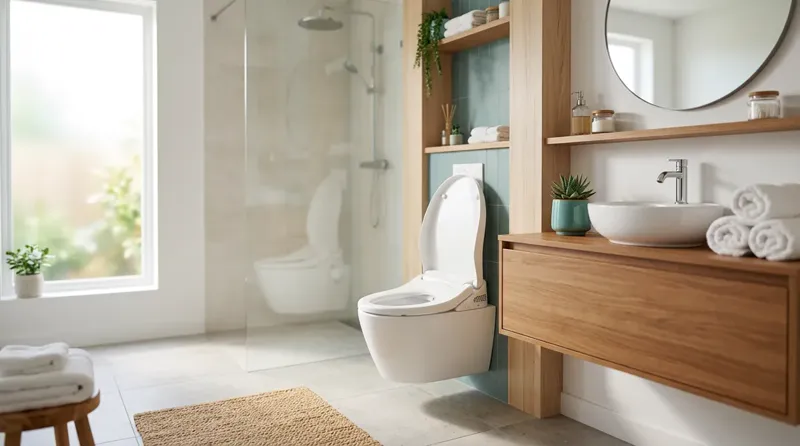
A bidet is a bathroom fixture or toilet add-on that uses a stream of water to clean your private areas after you use the toilet, instead of (or along with) toilet paper. In its classic form it's a low, sink-like basin you straddle, but today most bidets are seats, attachments, sprayers, or built-in smart toilets that work with the toilet you already own.
The idea is simple: water cleans more thoroughly and more gently than dry paper. With the press of a button or the turn of a dial, a small nozzle delivers an adjustable spray of water exactly where you need it, leaving you fresher and using far less paper.
Once seen mainly in Europe and Asia, bidets have gone mainstream in the United States, largely because affordable seats and attachments now let almost any household add one in a few minutes without a plumber. If you already know you want one, our ranking of the best bidets names a winner for every type and budget.
Ready to try one? See our top bidet picks.
See our picks →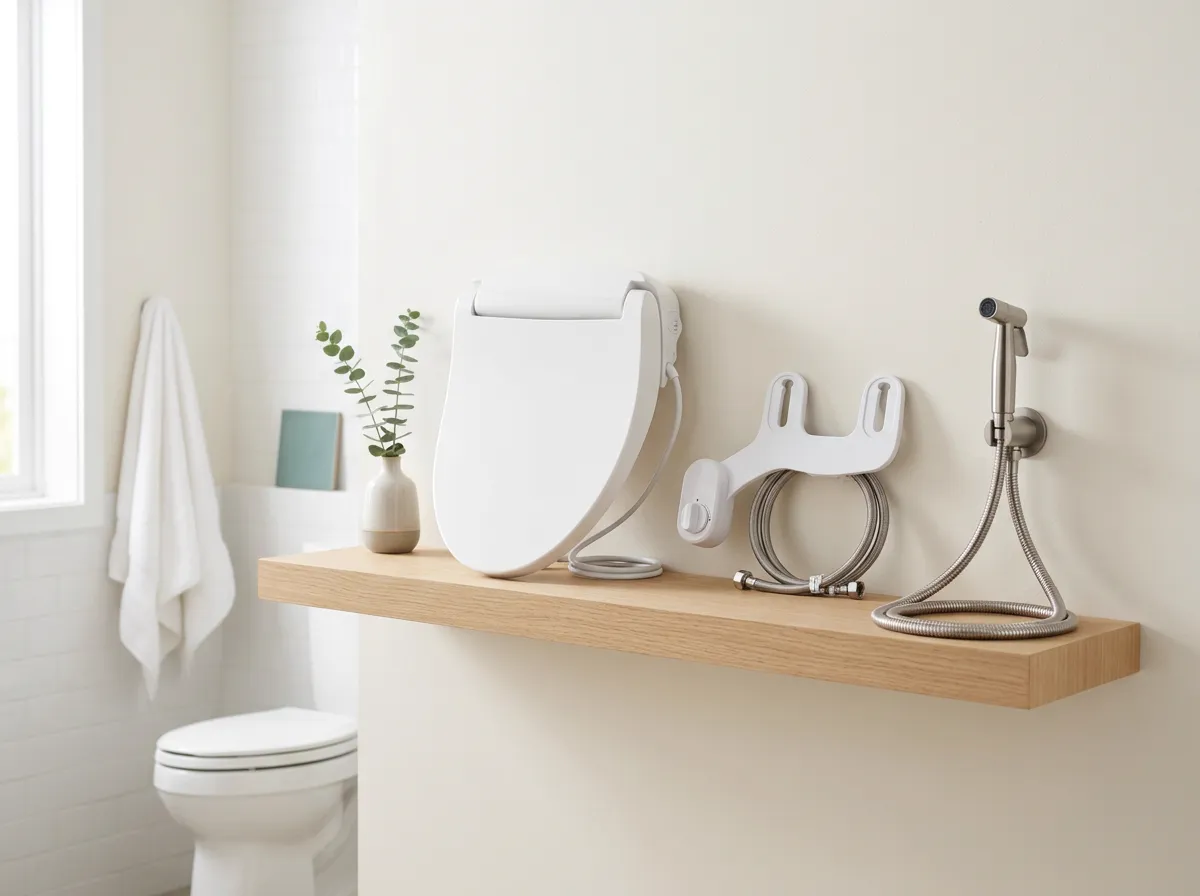
What a Bidet Actually Is
A bidet is any device that washes your genital and anal area with water after using the toilet. The word is French for "little horse," a nod to the way the original stand-alone basin was straddled, but the modern definition covers a whole family of water-cleaning products that fit onto or replace a standard toilet.
The Main Types of Bidets
There are six common types: a bidet seat that replaces your existing toilet seat (electric models add heated water and a heated seat); a non-electric attachment that slides under your current seat for the lowest cost; an integrated smart toilet with a bidet built right in; a handheld sprayer (a "bidet shower," health faucet or shattaf) you aim by hand; a portable or travel bidet, which is a squeeze bottle with a nozzle; and the traditional standalone fixture, a separate basin next to the toilet. If the handheld appeals, see how to use one, how to install one and our handheld bidet sprayer picks.
How a Bidet Cleans With Water
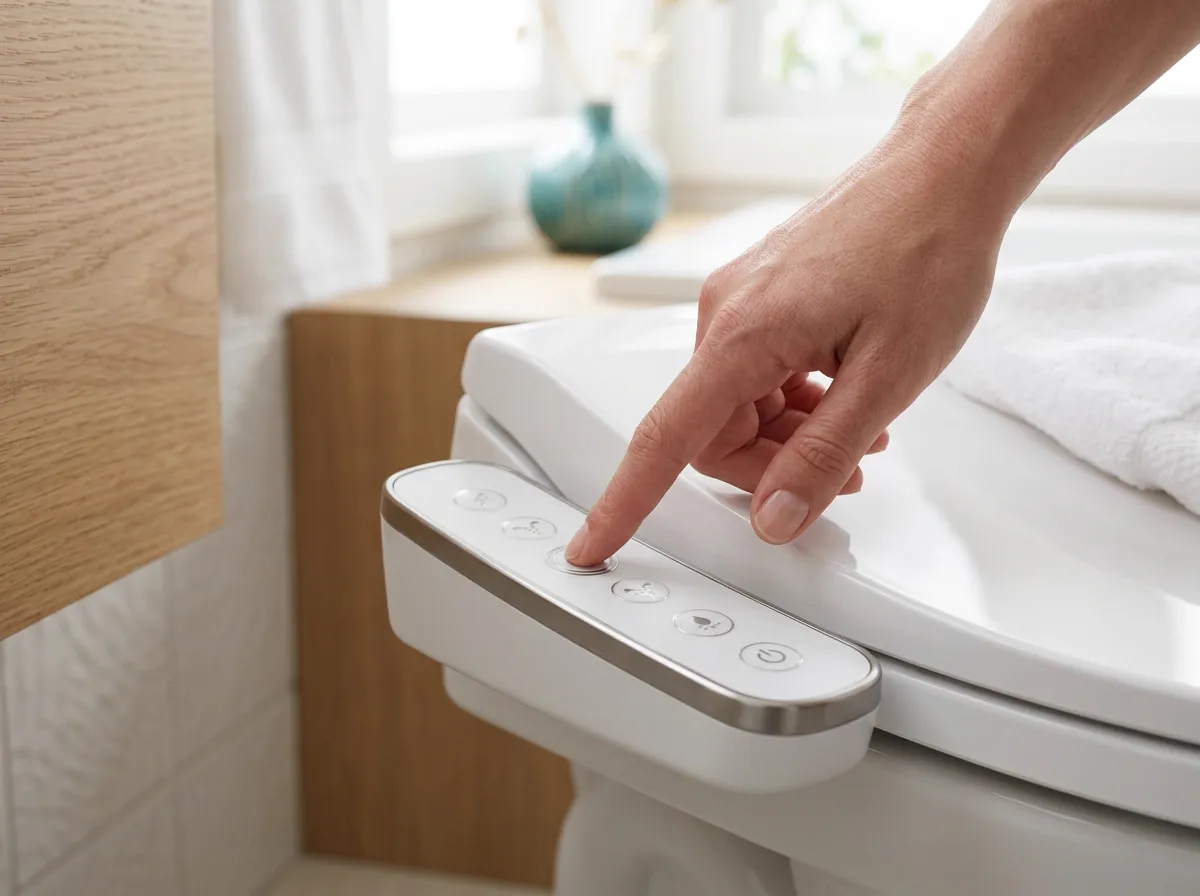
A bidet taps into your bathroom's existing water line and sends water through a small nozzle that sprays your skin clean. Most models let you adjust the water pressure, position, and sometimes the temperature, and higher-end versions add warm water, a heated seat, and a warm-air dryer that can reduce the paper you use for drying.
Who Uses Bidets and Why
Bidets are used by people of every age who simply want to feel cleaner, but they are especially valued by those with hemorrhoids, sensitive skin, or IBS, by new mothers recovering after childbirth, and by elderly people or anyone with limited mobility who finds twisting and wiping difficult. The gentle, hands-free spray offers thorough cleaning, comfort, and independence.
Key Benefits of a Bidet
Water cleans more completely than dry paper, which can mean less chafing and fewer skin irritations, and the soft stream is far gentler on sensitive or healing tissue. Bidets also cut toilet-paper use, though how much depends on your household and on whether you still dry with paper. Estimate your own spend with our toilet paper calculator; our toilet paper savings guide turns that into a payback, and shows why a cheap attachment can pay its way while a premium seat is bought for comfort.
A Quick History and Global Use
Bidets first appeared in 1600s France as a basin for the aristocracy and spread across Europe; in Italy, a 1975 ministerial decree requires at least one bathroom in each home to have one. Japan transformed the bidet into high-tech "washlets" with heated seats and warm water starting in the 1980s, and handheld sprayers are standard across much of the Middle East and South Asia, making the bidet a worldwide bathroom staple.
Tips & warnings
- If you're new to bidets, start with an affordable non-electric attachment to try the experience before investing in a heated seat or smart toilet.
- Look for adjustable water pressure and nozzle position so you can dial in a comfortable, effective clean.
- Heated seats and models that heat their own water need a nearby GFCI outlet; non-electric warm-water models draw from a sink's hot line instead, so check which you have near the toilet before you buy.
- A bidet greatly reduces toilet paper use, but keeping a little paper or a towel on hand for drying is still handy, even if your model has an air dryer.
Frequently asked questions
What exactly is a bidet?
A bidet is a bathroom fixture or toilet add-on that uses a stream of water to clean your genital and anal area after using the toilet, replacing or reducing the need for toilet paper. It can be a built-in basin, a seat, an under-seat attachment, a handheld sprayer, or a portable bottle.
Is a bidet more hygienic than toilet paper?
Yes. Washing with water cleans more thoroughly than wiping with dry paper, which can leave residue behind. Water is also gentler on the skin, so bidets are often recommended for people with hemorrhoids, sensitive skin, or who are recovering after surgery or childbirth.
Do I need a plumber to install a bidet?
For the work itself, usually not. Most bidet seats and attachments connect to your existing toilet water line and can be installed with basic tools. Only standalone fixtures and some smart toilets typically require professional plumbing, and heated models need a nearby outlet. Whether you're allowed to do it yourself is a separate question that depends on where you live. Western Australia's building regulator, for example, limits homeowners to a short list of basic plumbing tasks and requires a licensed plumber or permit-holder for all other water supply work, so check what your area allows before you start.
Do you still use toilet paper with a bidet?
You use much less. After the water spray you may pat dry with a small amount of paper or a towel, and a seat with a warm-air dryer can cut paper use further. There's no reliable average for how much you'll save, because it depends on your household and on whether you dry with paper or a towel, so estimate from your own toilet paper spend. If you still dry with paper, halving your paper use is a sensible assumption to plan around.
What's the difference between a bidet seat, an attachment, and a smart toilet?
An attachment is a low-cost device that fits under your current toilet seat. A bidet seat replaces your existing seat entirely and often adds warm water, a heated seat, and a dryer. A smart toilet is a full toilet with the bidet built in, offering the most features at the highest price.
What is a shattaf (bum gun, Muslim shower, jet spray)?
A shattaf is a handheld bidet sprayer: a spray head on a flexible hose, usually trigger-operated, mounted beside the toilet so you can aim a rinse of water by hand. The same fixture goes by different names depending on where you are, including shattaf, bum gun, Muslim shower, jet spray, health faucet, bidet shower and bidet spray. A typical kit taps the toilet's incoming water line with a T-valve that has its own shut-off lever. It needs no electricity, and most setups can't provide warm water. Brondell advises closing that lever after every use, which takes the pressure off the line and helps prevent leaks.
Sources
- Cleveland Clinic — Is using a bidet healthy?
- Healthline — Are bidets sanitary?
- Brondell — How to Use a Hand Held Bidet Sprayer
- Kohler Middle East — Introducing Health Faucets (health faucets also called jet sprays)
- Conor — What Is a Bidet Shower Called?
- Government of Western Australia, Building and Energy — Plumbing work in your home
- The Local Italy — are bidets legally required in Italian homes? (Ministerial Decree of 5 July 1975)
- BidetKing — Bidet toilet seat electrical outlet FAQ (GFCI-protected, grounded outlet)
- LUXE Bidet — NEO 320 non-electric warm-water attachment (hot water from the sink supply, no electricity)
- TUSHY — Oasis non-electric warm-water bidet seat (hot-water line connection, no outlet)