
Best Portable & Travel Bidets
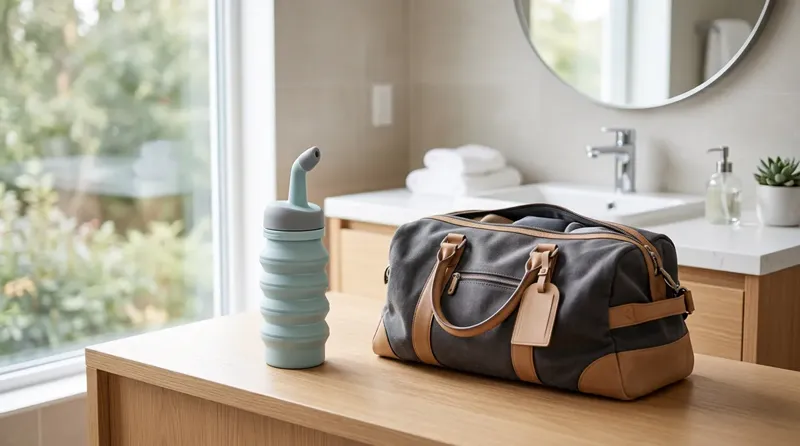
A portable bidet is the simplest version of the idea: a little bottle or sprayer that shoots a stream of clean water exactly where you need it, with nothing to install and no toilet required. You fill it, point it, and squeeze (or press a button). That's it. For a few dollars, you get the core benefit of a bidet — a real water wash that's cleaner and gentler than dry paper — in something that fits in a bag, a glovebox, or a jacket pocket.
Where these earn their keep is anywhere a real bidet can't go. They're a quiet lifesaver for travel and gas-station bathrooms, for camping and backcountry trips where there's no plumbing at all, and for RV and van life where you want to stay fresh without filling a tiny holding tank with toilet paper. They're gentle enough to be a go-to for postpartum recovery and after surgery, and for the millions of Muslims who perform wudhu or istinja, a portable bidet makes staying properly clean possible no matter whose bathroom you're in.
The catch is that not all of them are equal. Capacity, spray pressure, how small they fold down, and whether they leak in your bag are the difference between a tool you actually carry and one that lives in a drawer. Below are the three we'd actually recommend — a best-overall bottle, the most compact one, and an ultralight nozzle — plus what to look for (including whether an electric, rechargeable model is worth it) so you pick the right one the first time.
| # | Pick | Price | Rating | |
|---|---|---|---|---|
| 1 | Best Overall Brondell GoSpa A roomy 500ml silicone bottle that squishes down to under 5 inches, with a pop-up nozzle and a travel bag — the most well-rounded grab-and-go bidet for the money. |
$15–$25 | ★★★★☆ 4.1 | Check price |
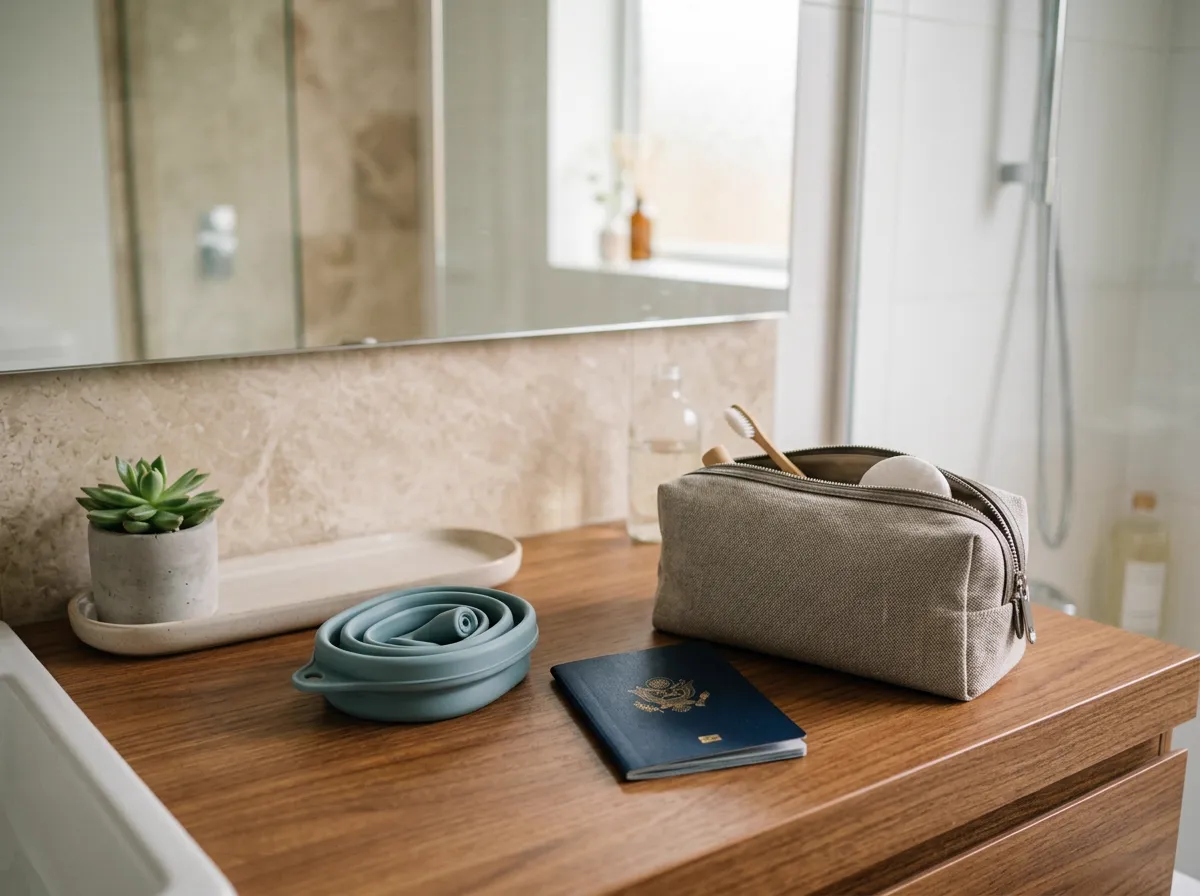
| 2 | Best Compact TUSHY Travel Bidet A collapsible silicone squeeze bidet that shrinks to the size of a hockey puck, so you can stay fresh on the go without anyone knowing what's clipped to your bag. |
$25–$30 | ★★★★☆ 4.2 | Check price |
| 3 | Best Ultralight CuloClean A 0.42-ounce nozzle that plugs into almost any water bottle to give you the highest-pressure portable spray we found research on, all for about the price of a sandwich. |
$10–$30 | ★★★★★ 4.6 | Check price |
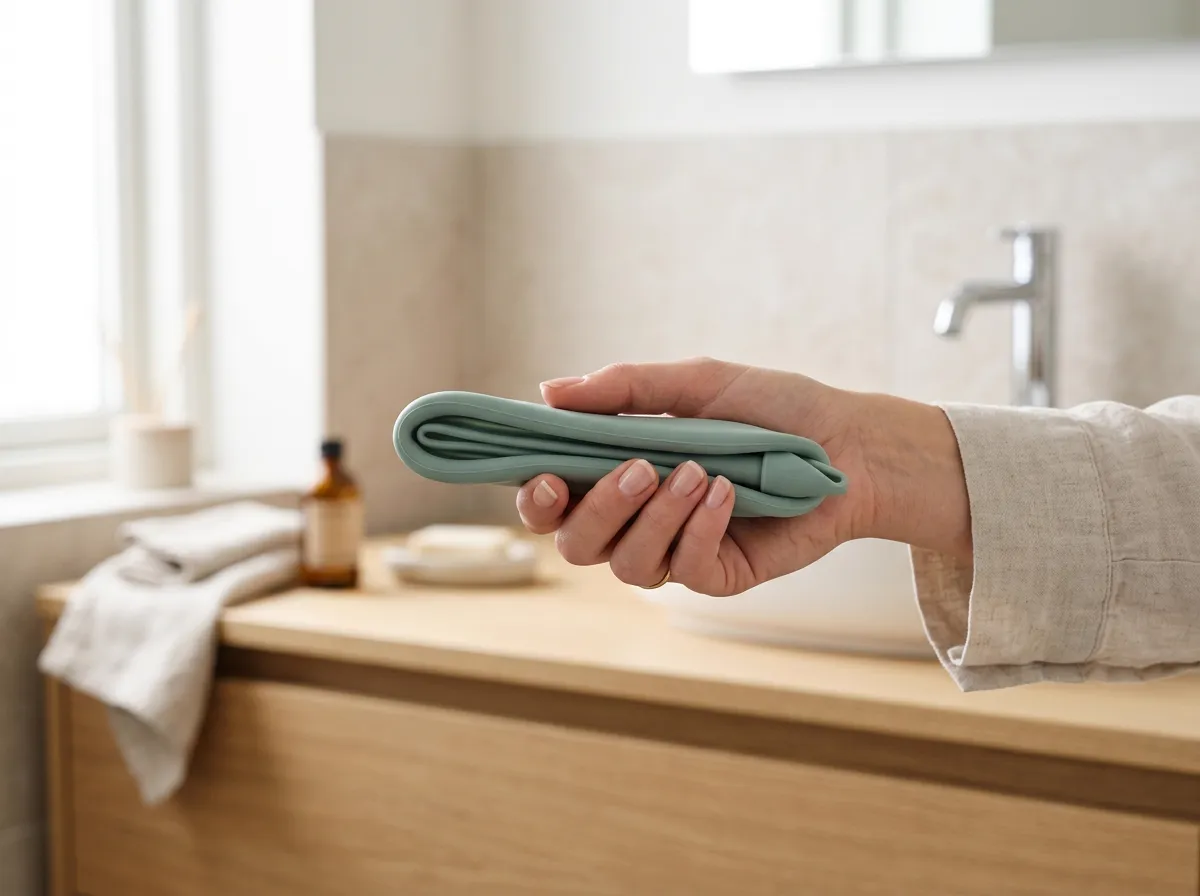
Brondell GoSpa
Key features: 500ml (16.9 oz) capacity — among the largest in the portable class · Collapses to just under 5 inches tall for packing · Durable, BPA-free food-grade silicone body · Pop-up nozzle that re-stows for sanitary, compact storage · Squeeze-powered — no batteries or charging, includes travel bag
Pros
- Big 500ml tank means more washes per fill than most travel bidets
- Genuinely collapsible — squishes flat and pops back without a hard case
- Pop-up nozzle stows inside so nothing pokes around in your bag
- No batteries or electronics to fail; just fill, invert, and squeeze
Cons
- Spray pressure is gentle — a soft stream, not a strong jet
- Not leakproof once filled; fill it only when you're ready to use it
- Takes a little practice to aim one-handed
- A few owners report the nozzle's pop-up spring wearing out over time
Who it's for: Travelers, campers, new parents doing postpartum care, and anyone who wants a discreet, no-electronics bidet that holds enough water to actually finish the job. Best for people who value capacity and packability over a power-washer spray.
TUSHY Travel Bidet
Key features: Holds up to 11 fl oz (about 400 ml) of water · Collapses to roughly 3.5 in tall x 2.5 in wide; expands to about 5.75 in · Weighs around 3–5 oz empty (manual, no batteries) · Hinged nozzle with a 3-point spray spout · Includes airmesh drying case and water-resistant carabiner
Pros
- Truly pocketable — collapses flat and looks like a normal water bottle, so it's discreet
- No batteries or charging; just expand, fill, and squeeze
- 11 oz capacity is enough for a full clean, often with water to spare
- Comes with a quick-dry mesh case and carabiner for easy carry
Cons
- Takes practice to find the right angle the first few uses
- Aiming relies on your own squeeze, so pressure is less consistent than airlock-style bidets
- A few buyers report the cap/seal can loosen or leak on defective units
- Wider and heavier than ultralight nozzle-only bidets, so dedicated backpackers may prefer those
Who it's for: Travelers, campers, festival-goers, postpartum parents, and anyone who wants a real clean in public restrooms but hates the bulk of a standard squeeze bottle. Great if discreet, no-fuss portability matters more than maximum spray power.
CuloClean
Key features: Weight: 0.42 oz (12 g); 0.21 oz (6 g) ultralight version available · Size: 2.7 x 1.3 in — fits in a pocket or first-aid kit · Fits 28mm and 30mm bottle openings (most plastic water/soda bottles) · Single narrow nozzle, tapered cork plug with four O-rings · Made in Spain; reusable, no batteries or charging
Pros
- Among the lightest and most packable bidets you can buy, at well under half an ounce
- Sprayed farther than any other bidet Treeline Review measured (about 17 ft), and its testers found the farthest sprayers cleaned best
- Easy on water: 1.5 oz on average to rinse a plate clean in Treeline's dishwashing test, where only the Holey Hiker (1 oz) used less
- Cheap, simple, and battery-free — works with bottles you already own
Cons
- Does not cover the bottle threads, so some splashback is possible
- Single concentrated nozzle — no soft shower-head spread some people prefer
- Can leak if you pack the bottle with the nozzle attached instead of the regular cap
- Tiny size is easy to misplace and fiddly to seat on very thin bottles
Who it's for: Backpackers, thru-hikers, bikepackers, and minimalist travelers who want a clean rinse without carrying extra weight or packing out as much used toilet paper. Also a smart, discreet option for travelers and anyone who wants a no-frills bidet that works with any bottle.
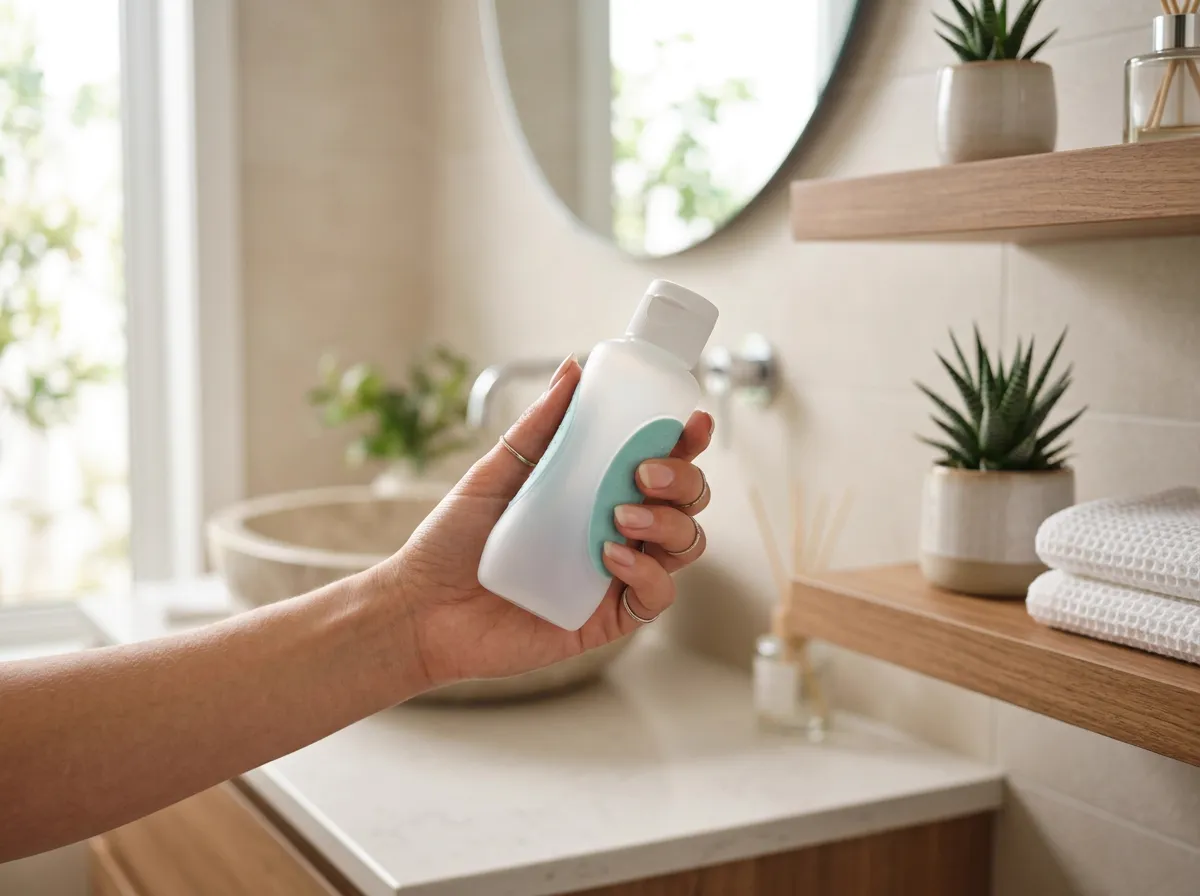
Backpacking and camping with a portable bidet
On the trail, the paper is the problem a portable bidet solves. The National Park Service's Leave No Trace guidance says to pack out toilet paper and hygiene products instead of burying them with your waste, so every wad you use rides out in your pack. A water rinse followed by a quick pat dry uses far less paper than wiping alone, which means a smaller, lighter bag to carry. That is the case for the CuloClean on a backpacking trip: the nozzle weighs 0.42 oz and plugs into the neck of a water bottle you are already carrying. For car camping with a water tap nearby, capacity matters more than weight, and the 500ml Brondell GoSpa is the easier bottle to live with.
A bidet changes how you clean up, not where the waste goes. The NPS says to use toilet facilities whenever possible. Otherwise, deposit solid waste in a cathole dug 6 to 8 inches deep, at least 200 feet from water, camp and trails (the NPS puts that at about 70 large steps), then cover and disguise it. Rinse at the cathole, not at the creek: the same guidance says to carry wash water 200 feet away from streams or lakes before you wash yourself. Where waste won't decompose if buried, or too many people visit for catholes to work, the NPS points to WAG bags, which you use and then pack out, and some areas require them. Rules vary by place, so check with rangers before the trip.
It has limits on the trail. Every ounce you spray is water you carried, so on a dry route it comes out of your drinking supply. The bidet also replaces nothing in the NPS's suggested kit of hand sanitizer, toilet paper, a bag to pack the paper out, a trowel, and a WAG bag where one is needed. You still pat dry, so it cuts down the paper rather than eliminating it.
Fill it with water you would drink rather than straight from a stream: TOTO's manual for its own Travel Washlet says to use only tap or drinking water, and we'd apply that rule to any bidet. Don't pack one full, either: the GoSpa isn't leakproof once filled, and the CuloClean can leak if you store the bottle with the nozzle on instead of its regular cap. Battery models are a harder sell out here. TOTO's Travel Washlet weighs 0.55 lb with its AA battery and holds 180ml, a better fit for the commutes and flights TOTO pitches it for than for a pack.
What matters before you buy
- Capacity (how much water you get per fill). This is the single most-overlooked spec, and it decides whether one fill is enough. Smaller bottles in the 200-300ml range pack down tiny but can run dry before you feel fully clean, especially if you like a thorough wash. A 400-500ml bottle gives you a comfortable margin for a complete wash on one fill, which matters most postpartum or on a campsite where refilling isn't easy. The honest trade-off is size: more water means a bigger bottle to carry. If you only need a quick freshen-up, small is fine; if you want a real, finish-the-job wash away from a tap, lean toward 400ml or more.
- Spray pressure (squeeze power vs. a dribble). A portable bidet is only as good as the stream it produces. Squeeze bottles depend on the nozzle design and how hard you can press — a good angled nozzle turns a gentle squeeze into a focused, effective jet, while a poorly designed one just dribbles no matter how hard you grip. Nozzles that plug into a bottle you already own, like the CuloClean, run on however hard you squeeze that bottle, and in Treeline Review's spray test the CuloClean on an ordinary bottle out-sprayed every dedicated-bottle bidet it measured. Electric models take your hand strength out of it entirely and deliver a steady, consistent stream at the press of a button. If grip strength is a concern, that consistency is worth paying for.
- Collapsible vs. rigid size (does it actually pack down). The whole point is portability, so how small it gets when empty is the real test. Collapsible silicone bottles are the winners here — they squish down to a fraction of their full height, so a 500ml bottle can shrink to under 5 inches and a compact model to about the size of a hockey puck. Rigid plastic units don't shrink at all; you carry their full size whether they're full or empty. Ultralight plug-in nozzles take a third path: the nozzle itself is tiny, and you supply your own bottle. Decide whether you'd rather pack flat (collapsible), carry a fixed shape (rigid), or carry almost nothing and borrow a bottle (nozzle-only).
- Manual vs. electric / rechargeable (squeeze or button). Manual squeeze bidets are cheap, never need charging, and can't run out of battery on day three of a trip — but the pressure depends on your grip, and squeezing one-handed at an awkward angle takes a little practice. Electric, USB-C rechargeable units give you hands-free, button-press cleaning with steady pressure, which is genuinely easier for limited mobility, recovery, or anyone who just doesn't want to squeeze. The downsides are real too: you have to keep them charged, they cost more, and there's a motor and battery that can eventually fail. For pure reliability and packability, manual wins; for comfort and consistency, electric wins.
- Leak-proofing and cleaning (will it ruin your bag?). A portable bidet lives in a bag with your clothes, electronics, and phone, so a leaky cap or a nozzle that drips is a dealbreaker. Look for a screw-on or locking cap that seals tightly, a nozzle that retracts or covers when not in use, and ideally a travel pouch or bag to keep it separate from everything else. Cleaning matters just as much for something you carry around: the best designs come apart so you can rinse and dry the nozzle and bottle, which prevents mildew and buildup. Silicone bottles are easy to rinse and air-dry; just make sure water can fully drain and the unit dries before it goes back in your bag. Fill it with fresh, drinkable water each time and look after it like a reusable water bottle, and it stays hygienic.
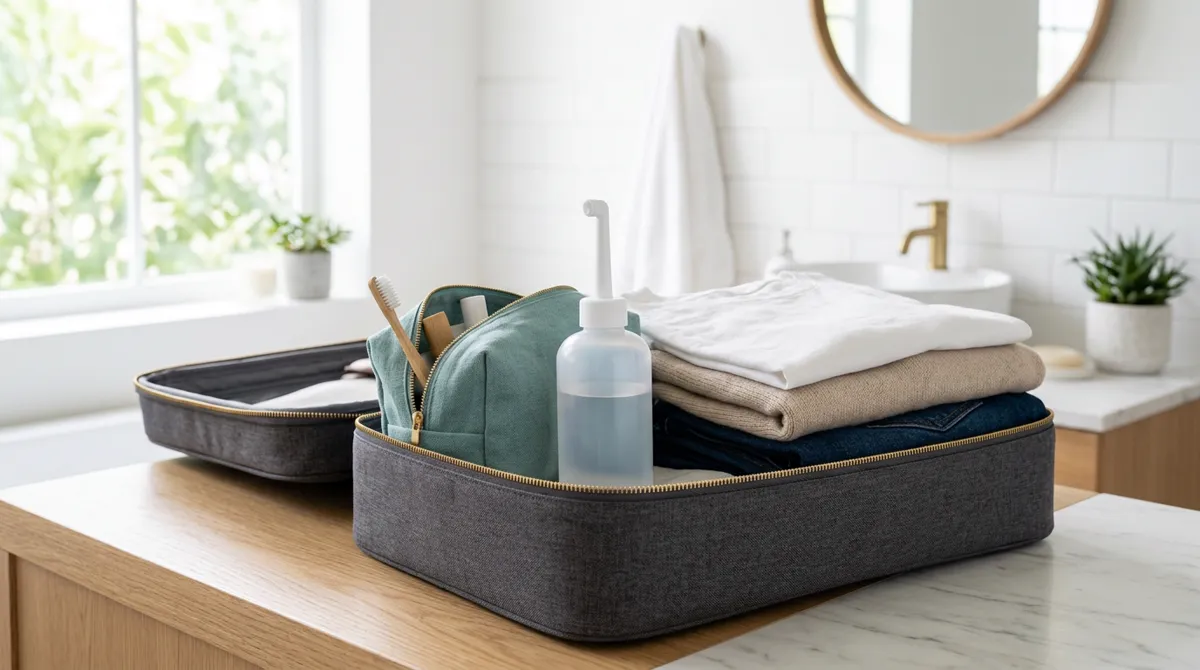
How we ranked these
We ranked these on what actually decides whether a portable bidet ends up in your bag or in a drawer: how much water you get per fill, how strong and controllable the spray is, how small it packs down, whether it's manual or rechargeable, and how well it seals so it doesn't leak on your stuff. We weighted real-world reliability heavily — leak-proofing and a usable, effective stream — because a bidet that dribbles or wets your bag gets abandoned no matter how clever it looks. Then we matched each pick to the job it does best rather than crowning one universal winner: the most well-rounded grab-and-go bottle (Brondell GoSpa), the one that hides the smallest (TUSHY Travel), and the lightest, cheapest option that turns any water bottle into a high-pressure sprayer (CuloClean). All three are manual squeeze designs, which is what most people actually want in a travel bidet — nothing to charge, nothing to break. If you specifically want a hands-free, button-press wash, we cover the electric, rechargeable route in the criteria and FAQ below. Price mattered, but only relative to what you get — these all cost between about the price of a sandwich and a nice lunch, so the question isn't whether you can afford one, it's which one fits how and where you'll actually use it.
Frequently asked questions
What is the best portable bidet?
For most people the best portable bidet is the Brondell GoSpa — a collapsible 500ml silicone bottle that holds enough water for a full wash, packs down under five inches, and costs around $20 with a travel bag. There's no single universal winner, though, so match the pick to the job: for the most discreet, pocketable option the TUSHY Travel collapses to about the size of a hockey puck, and for the lightest, highest-pressure option for backpacking the CuloClean nozzle plugs into most plastic water bottles like a cork and weighs about half an ounce. Prioritize capacity for postpartum recovery, discretion for everyday carry, or minimal weight for the trail — the best portable bidet is whichever fits how and where you'll actually use it.
Are portable bidets worth it?
For most people, yes. A portable bidet delivers the core benefit of a bidet — a real water wash that's cleaner and gentler than dry paper — for a few dollars, in something that needs no installation and no plumbing. They earn their keep where a fixed bidet can't go: travel and public restrooms, camping and RVs, and postpartum or post-surgery recovery. The honest limits are that manual squeeze models put out a gentle stream rather than a power-wash, you have to refill them, and you'll still pat dry afterward. If you have a toilet you can attach to at home, a bidet seat or attachment does more — but as a grab-and-go tool for everywhere else, a good portable bidet is genuinely worth the small cost.
Is there an electric or rechargeable portable bidet?
Yes. Alongside the manual squeeze bottles here, several brands make USB-C rechargeable electric portable bidets — SAMODRA's travel sprayer, for example, is IPX7 waterproof, recharges over USB-C, and offers multiple spray modes. TOTO, the company behind the Washlet bidet seat, also makes a battery-powered Travel Washlet (HW300) that holds 180ml, runs on one AA battery TOTO rates for 50 washes at 70°F, and has a regular and a soft spray mode, though TOTO's US site lists it as limited inventory. The appeal is hands-free, button-press cleaning with steady pressure, which is genuinely easier for limited grip strength, recovery, or anyone who just doesn't want to squeeze. The trade-offs are real: they cost more, you have to keep them charged or carry spare batteries (a dead battery on day three of a trip is useless), and there's a motor and seal that can eventually fail. For pure reliability and packability we lean manual, but if consistent, effort-free pressure matters most to you, a rechargeable electric model is the way to go.
Do you still wipe after using a portable bidet?
You don't wipe to clean — the water does that — but you do dry off afterward. After spraying, a quick pat with a small piece of toilet paper, a travel tissue, or a dedicated quick-dry cloth is all it takes; you're blotting water, not wiping residue, so you use far less paper than dry wiping alone. Many people carry a few folded tissues or a small microfiber cloth alongside their portable bidet for exactly this. If you're using one for postpartum or sensitive skin, patting dry rather than rubbing is gentler, and it's part of why a water wash feels more comfortable than paper.
Can I use any of these for postpartum or after surgery?
These are one of the most-recommended uses for a portable bidet. After childbirth or surgery, dry wiping can be painful and even risky, and a gentle water rinse is far more comfortable. For this use, prioritize capacity (a 400-500ml bottle so you get a full, gentle wash on one fill) and a soft, low-pressure stream you can control. Many people keep a portable bidet next to the toilet at home for recovery, not just for travel. If grip strength is limited during recovery, a rechargeable electric model that sprays at the press of a button is even easier.
Is there a portable bidet for women?
Yes, and you don't need a special one: none of the three picks here is made for one gender, and any of them works for women. What matters is how you use it. Cleveland Clinic's advice for any bidet is to have the water flow front to back, the same direction you'd wipe, at a pressure and angle that doesn't force water into the vagina, because a bidet is meant to clean the outside of the body, not the inside. Keep the nozzle tip off your body and keep the bidet clean. For washing from the front, a gentle, controllable stream like the GoSpa's is easier to keep soft than the CuloClean's single concentrated jet. This is general information, not medical advice: if you have pain, irritation or infections that keep coming back, see a doctor rather than relying on a bidet.
Will airport security let me bring one in my carry-on?
The bidet itself is fine — it's just an empty bottle or sprayer. The only rule to remember is the standard liquids rule: empty it before security so there's no water inside, or keep any water under the 3.4-ounce (100ml) carry-on limit. Collapsible silicone models are ideal for flying because they pack down flat when empty. For electric units, the rechargeable battery should travel in your carry-on, not checked luggage, like any other small electronic.
Are portable bidets okay for wudhu and istinja?
Yes, and they're a popular, practical solution for staying properly clean for prayer when you're away from home or in a bathroom without a water source nearby. A portable bidet lets you perform istinja with running water discreetly, anywhere. Look for enough capacity to complete the cleansing on one fill (a 400-500ml model is a safe choice) and a nozzle with good reach and controllable pressure. A collapsible silicone bottle or a plug-in nozzle that fits a standard water bottle both work well and pack small enough to carry every day.
Related guides & comparisons
- Brondell GoSpa vs TUSHY Travel
- Best bidet attachments
- What is a bidet?
- Best bidet toilet seats
- RV bidets: what fits an RV toilet
Sources
- National Park Service — Leave No Trace Seven Principles
- National Park Service — Leave No Trace Principle #3: Dispose of Waste Properly
- TOTO USA — Travel WASHLET (HW300)
- TOTO — HW300#W Travel Washlet specification sheet (PDF)
- TOTO — Travel Washlet HW300 installation and owner's manual (PDF)
- Cleveland Clinic — Is using a bidet healthy?
- Treeline Review — Best Backcountry Bidets of 2026 (spray-distance and dishwashing tests)
- CuloClean — Portable bidet (manufacturer site)