
Who Invented the Bidet?
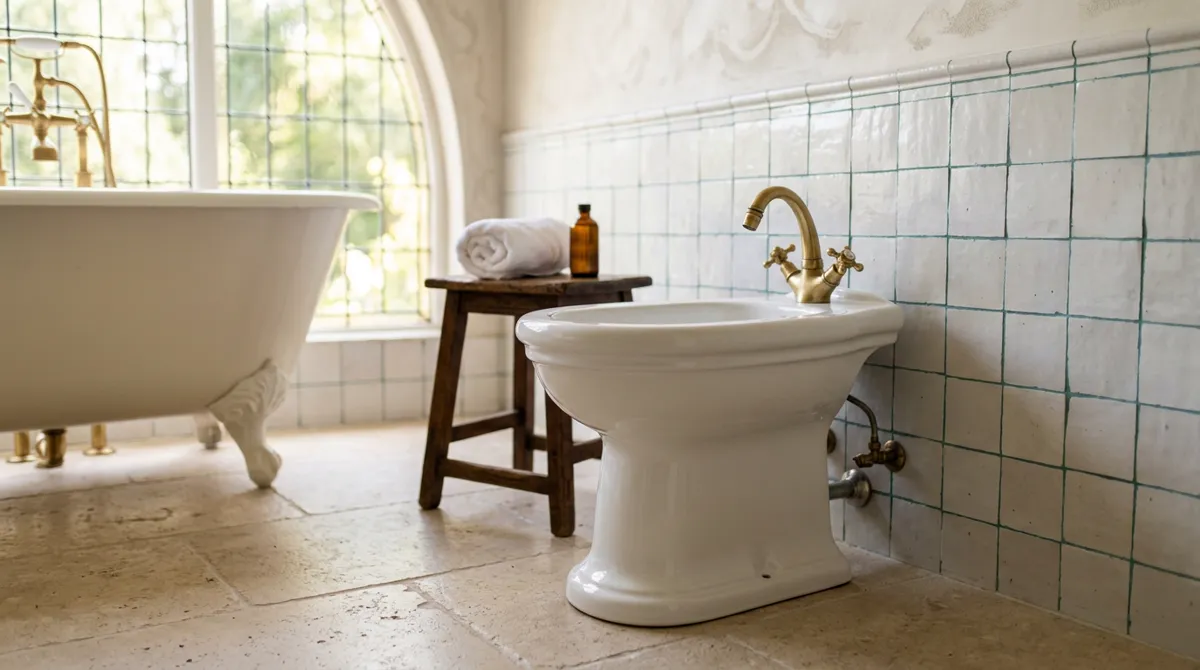
The bidet was invented in early 1700s France, most likely by furniture makers who built it as a low, straddle-over wash basin for the bedroom. The earliest written reference dates to 1710. The name comes from the French word for "little horse," because users sat astride it like a pony. Modern electronic versions arrived with Japan's TOTO Washlet in 1980.
No single inventor or exact invention date is recorded, which is common for everyday household objects of that era. What historians agree on is the place and roughly the time: France, around the turn of the 18th century. From there the bidet spread across Europe, became a daily habit in Italy, took a handheld form across the Middle East and Asia, and was finally reinvented as a high-tech toilet seat in Japan.
This guide walks through that story in plain language, with a short dated timeline so you can see how a piece of 300-year-old French furniture became the warm-water seat many people use today.
See the modern bidet seats this history led to.
See our picks →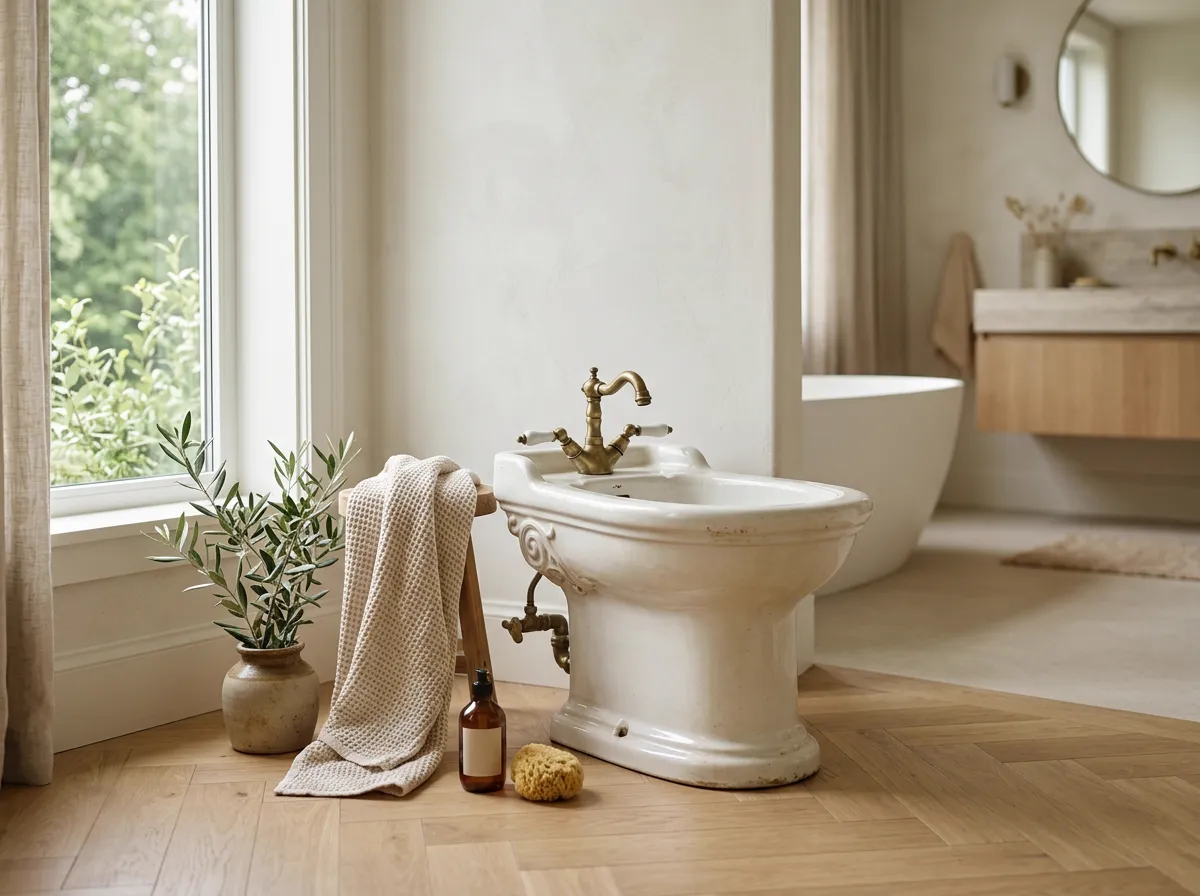
It Started as French Furniture in the Early 1700s
The bidet began in France in the early 18th century, and it was furniture, not plumbing. There were no pipes or running water involved. It was a low wooden frame holding a porcelain or metal basin that a servant filled by hand. You used it for a quick wash between full baths, which were rare and difficult at the time. The earliest known written reference appears in 1710, and the design is usually credited to French furniture makers rather than any one inventor. At first it was a luxury item found mainly in the bedrooms of the wealthy and the aristocracy.
Why It's Called a "Little Horse
The word "bidet" is French for "little horse," or pony. The name describes how you used it: you sat astride the basin with one leg on each side, the same way you would straddle a small pony. The root traces to the Old French verb "bider," meaning "to trot." So the everyday English word for this fixture is, quite literally, a reference to climbing aboard and sitting like a rider. It's a small detail, but it tells you exactly what the original object looked like and how people positioned themselves over it.
Spreading Across Europe and Becoming an Italian Staple
Through the 1700s and 1800s the bidet moved out of French bedrooms and across Europe, helped along by royalty and the upper classes. A written reference appears in Italy by 1726, and over time Italy embraced the bidet more than almost anywhere else. Its real boom in Italian homes came after World War II. The habit became so standard that in 1975 Italy made the bidet legally required in new home bathrooms, which is why a separate bidet next to the toilet is still a normal sight in Italian apartments today.
The Handheld Sprayer in the Middle East and Asia
Outside Europe, cleansing with water took a different and simpler shape. Instead of a separate basin, much of the Middle East and Asia adopted the handheld bidet sprayer, often called a "shattaf" in Arabic. It's a small nozzle on a flexible hose mounted right next to the toilet, so you can rinse without any extra fixture or furniture. In regions where washing with water is a cultural and religious norm, this hose-and-nozzle approach spread widely in the late 20th century. It became especially common across the Arab world and much of Asia from the early 1990s onward.
Japan and the TOTO Washlet Reinvent It (1980)
The biggest modern leap came from Japan. In June 1980 the Japanese company TOTO released the Washlet, an electronic bidet built into the toilet seat itself. Instead of a basin you straddle or a hose you aim, the Washlet uses a built-in wand that sprays warm water at the push of a button, often paired with a heated seat and an air dryer. It turned the bidet from a piece of bedroom furniture into a high-tech toilet upgrade. The Washlet became hugely popular in Japan and is the direct ancestor of the bidet seats and attachments sold around the world now.
A Short Dated Timeline
Early 1700s: The bidet appears in France as hand-filled bedroom furniture. 1710: The earliest known written reference to the bidet is recorded in France. 1726: A bidet reference appears in Italy as the fixture spreads across Europe. 1700s–1800s: The bidet stays mostly a luxury of European royalty and the wealthy. Post-1945: The bidet becomes a mainstream household fixture in Italy. 1975: Italy makes a bidet legally required in new home bathrooms. 1980: TOTO releases the electronic Washlet in Japan in June. 1990s onward: The handheld sprayer (shattaf) spreads widely across the Arab world and Asia.
Tips & warnings
- "Bidet" can be pronounced "buh-DAY" — the final T is silent, in keeping with its French roots.
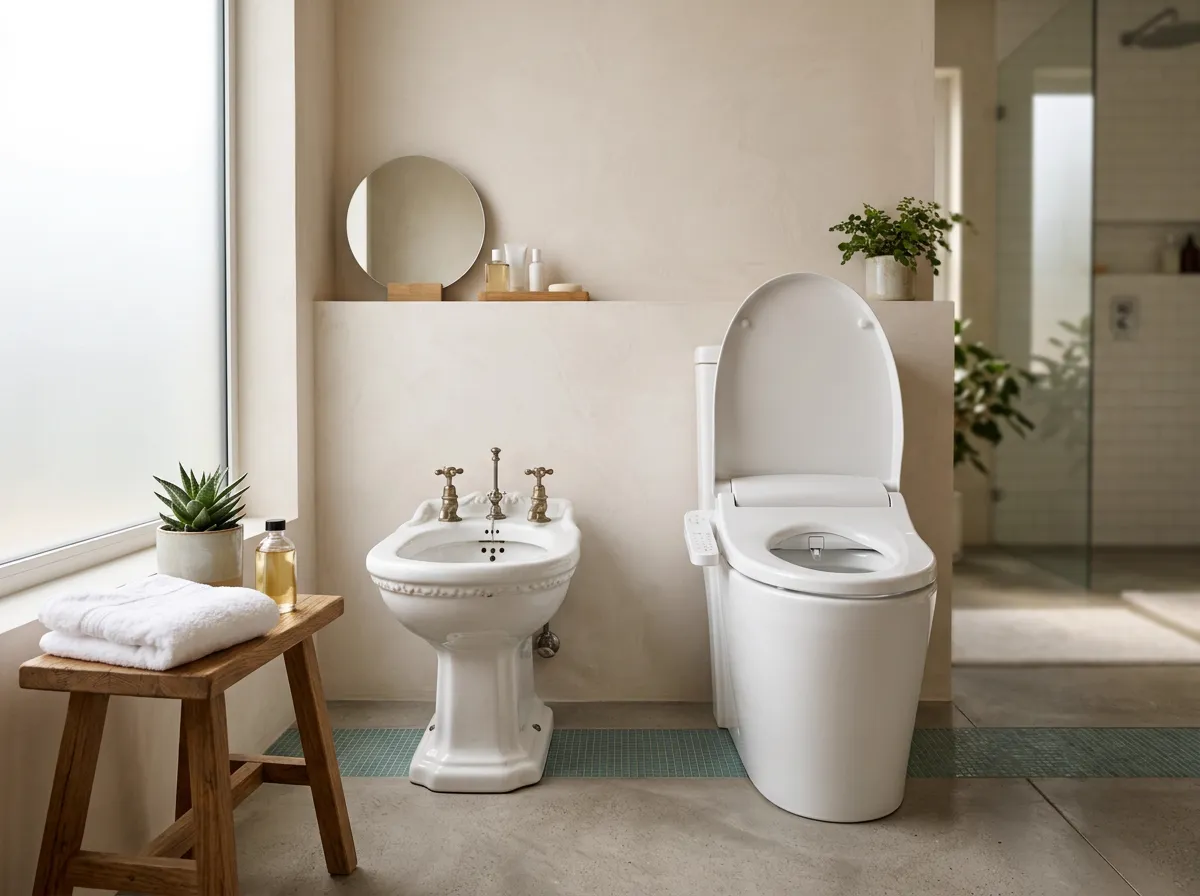
- A standalone bidet (a separate basin), a handheld sprayer, and an electronic bidet seat all do the same basic job: rinse with water instead of relying only on paper.
- If you've seen a separate bowl next to the toilet in Italy or France, that's the classic straddle-style bidet the word originally described.
Frequently asked questions
Who invented the bidet?
No single person is credited. The bidet emerged in France in the early 1700s, generally attributed to French furniture makers. The earliest written reference dates to 1710, but no exact inventor or invention date was recorded.
What does the word "bidet" mean?
It's French for "little horse," or pony. The name describes how the original bidet was used: you sat astride the basin with a leg on each side, much like riding a small horse. The root is the Old French word "bider," meaning "to trot."
Why are bidets so common in Italy?
The bidet became a deeply rooted habit in Italy, especially after World War II. In 1975 the country made a bidet legally required in new home bathrooms, so a separate bidet beside the toilet remains standard in Italian homes today.
What is a shattaf or handheld bidet?
A shattaf is a handheld bidet sprayer: a small nozzle on a flexible hose mounted next to the toilet for rinsing with water. It's common across the Middle East and Asia and spread widely from the early 1990s onward, offering the same cleansing without a separate fixture.
When did modern electronic bidets appear?
The modern electronic bidet arrived in 1980, when Japan's TOTO released the Washlet in June of that year. It built a warm-water spray into the toilet seat, often with a heated seat and air dryer, and became the model for today's bidet seats and attachments.