
Do You Still Use Toilet Paper With a Bidet?
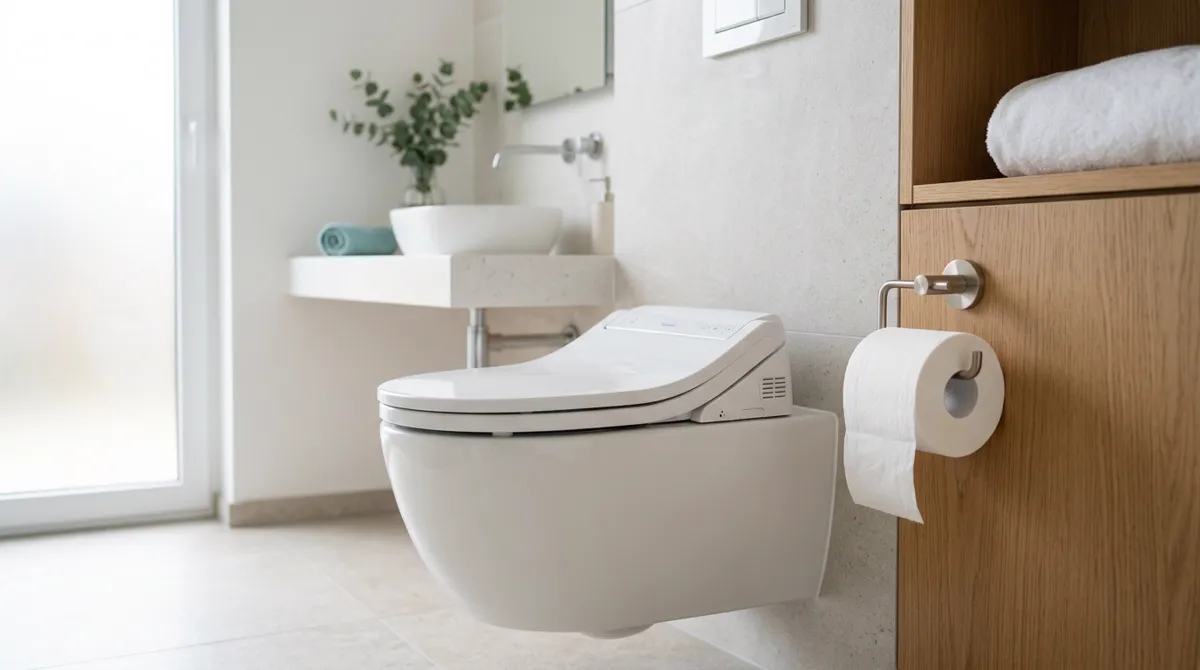
No — for most people, a bidet means you stop wiping but don't fully ditch toilet paper. After washing with water, you pat dry instead of scrub: a couple folded squares, a built-in warm-air dryer, or a dedicated reusable towel. Paper use drops substantially, though for most households not to zero, and some people give it up entirely.
The big shift is mental. With a bidet, water does the cleaning, so anything you reach for afterward is just for drying off the leftover moisture. You're not removing mess anymore — you're blotting water. That's why a tiny amount of paper goes a long way, and why some people skip paper completely once they find a drying method they like.
Which path you land on depends on your bidet's features and your comfort level. Below we break down every drying option, the pros and cons of each, and what a realistic toilet paper budget looks like after you make the switch.
Drying options after a bidet
| Method | How it works | Cost | Paper for drying |
|---|---|---|---|
| Pat dry with toilet paper | A couple folded squares to blot — no scrubbing | Minimal | A few squares a visit |
| Built-in warm-air dryer | An electric bidet seat dries you hands-free | On mid/high-end seats | None, if you wait out the cycles |
| Reusable cloth towel | A dedicated small towel, laundered separately | One-time | None |
| Air dry | Wait a moment after the wash | Free | None, if you wait |
Want a built-in dryer? See our top bidet seats.
See our picks →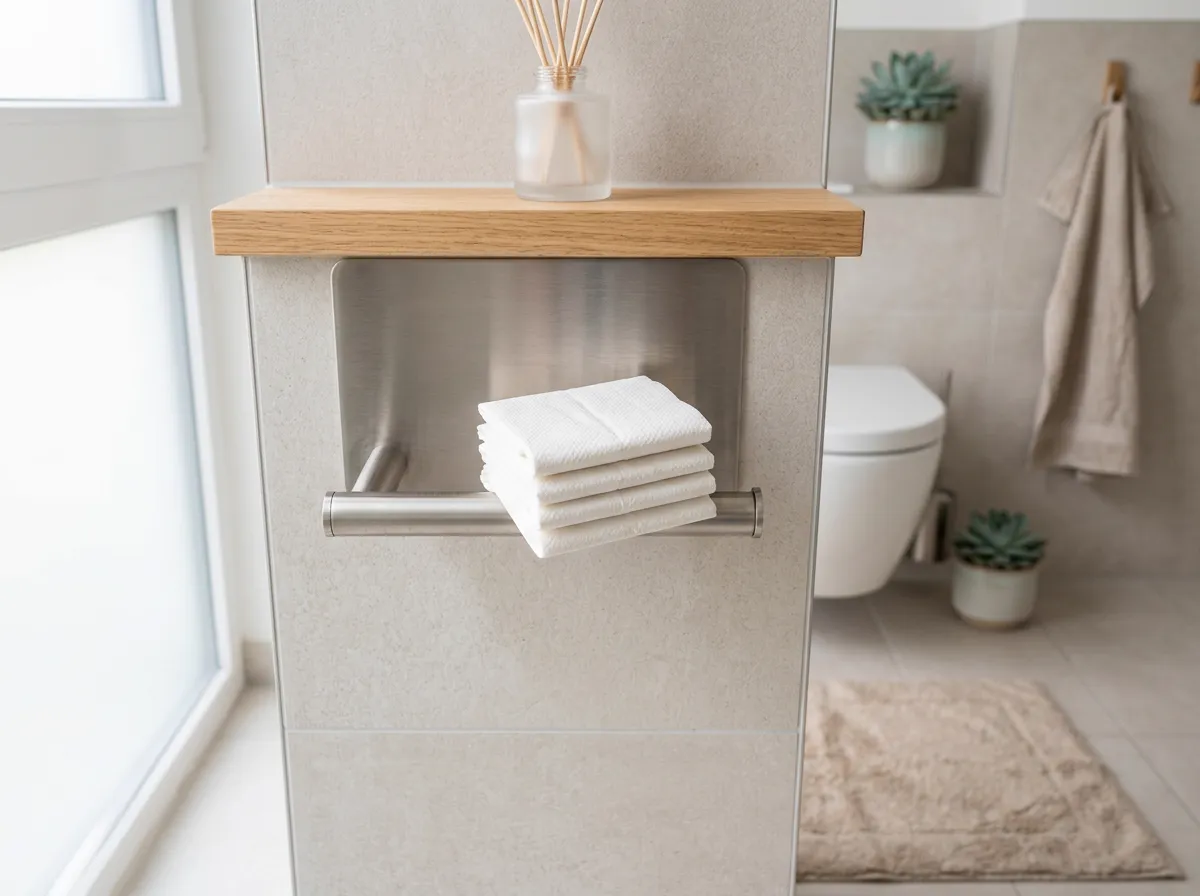
Wiping vs. Patting: The Core Difference
Without a bidet, toilet paper does the cleaning — you wipe until you're clean, which takes a lot of paper and a lot of friction. With a bidet, a stream of water does the cleaning first. By the time you reach for anything, you're already clean and just slightly damp. So the job changes from scrubbing to a gentle pat or blot to soak up water. This is why people who switch use so much less paper: a few squares to dab moisture replaces a thick wad to remove mess. It's also gentler on sensitive skin, since you're no longer dragging dry paper back and forth.
Option 1: Pat Dry With a Little Toilet Paper
The most common method. After washing, fold 2 to 4 squares and gently pat (don't rub) until dry. Pros: zero new habits to learn, works with any bidet, and you still use far less paper, because you're blotting clean water instead of wiping. Cons: you still buy some toilet paper, and you'll keep a roll on hand. For most households this is the realistic sweet spot — far less paper, no extra equipment, no learning curve.
Option 2: Built-In Warm Air Dryer
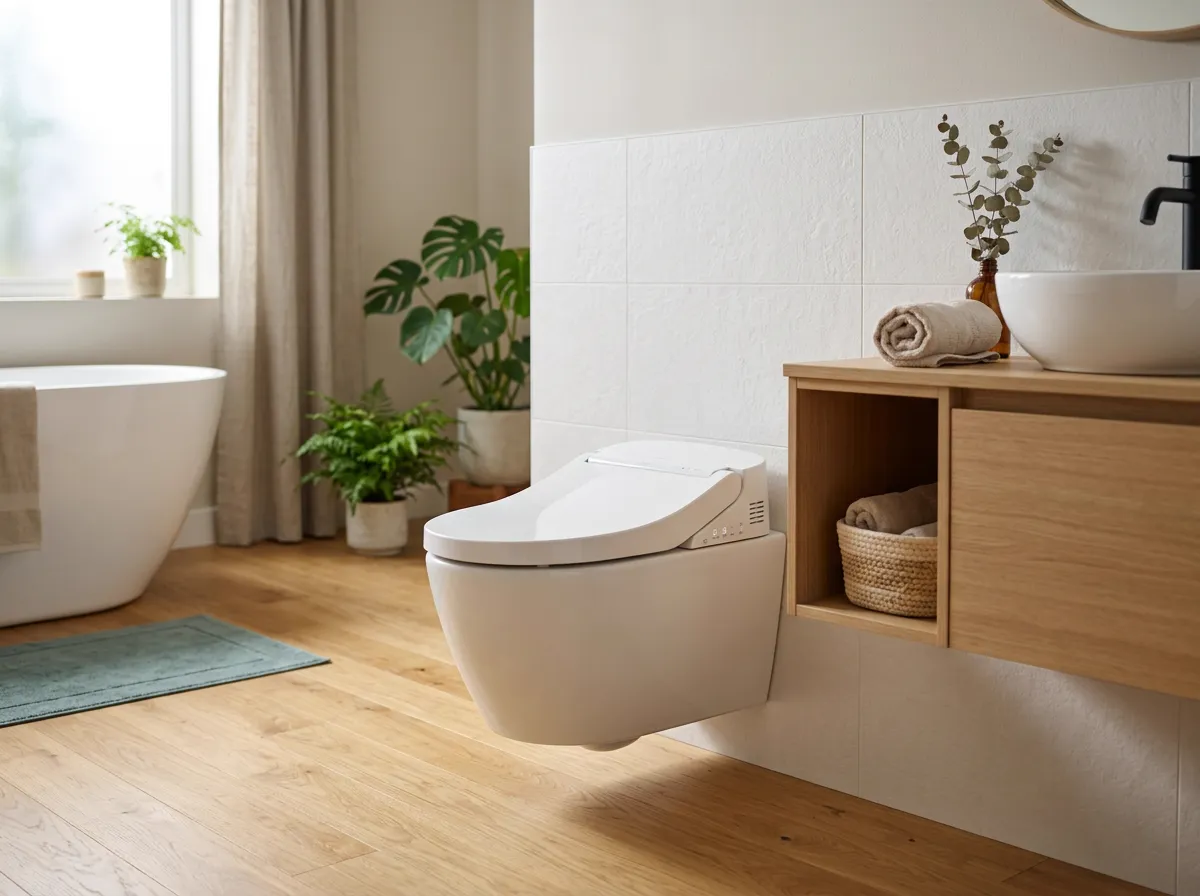
Many electric bidet seats and smart toilets include a warm-air dryer, like a small hand dryer aimed at the right spot. Pros: completely paperless if you're patient, hygienic, and great for anyone with limited mobility. Cons: it's slow — a single cycle usually runs 45 seconds to a minute, and a full dry often takes more than one, which feels long when you're used to instant paper. Airflow is gentle, so many people speed things up by dabbing once with a square first, then finishing with the dryer. It's a comfort upgrade more than a guaranteed full replacement, but some users do go fully paper-free with it.
Option 3: Reusable Cloth or Towel
A dedicated small towel or set of cloth wipes (sometimes called 'family cloth') used only for patting dry after washing. Because you washed with water first, the towel only touches clean, damp skin. Pros: zero paper waste, very soft, cheapest long-term option. Cons: you have to launder them, and it requires a hygiene system most people aren't used to — a stack of clean cloths and a small lidded bin for used ones, washed in hot water. Best for committed eco-minded households or single users; it's the most sustainable but the highest-effort choice.
Option 4: Just Air Dry
Wash, then wait a minute and let air do the rest before pulling up your clothes. Pros: free, zero paper, zero equipment. Cons: it's the slowest and least practical for daily life — sitting and waiting isn't realistic when you're in a hurry, and you may still feel slightly damp. Most people who 'air dry' actually combine it with a quick single-square pat. On its own it's more of a backup than an everyday method.
So How Much Toilet Paper Will You Actually Use?
Less, but how much less depends on your household, and there's no reliable universal figure to plan around. Instead of a thick wad per visit, you'll use a few squares to pat dry, or none at all if you adopt an air dryer or cloth. Going fully paperless is possible, but most people keep a small supply for guests, drying, and convenience. To put a dollar figure on it, start from what you actually spend: six months of toilet paper purchases, doubled. If you'll still pat dry with paper, planning on cutting that in half is a conservative assumption. Our bidet toilet paper savings guide walks through the payback math, and our toilet paper calculator runs it with your numbers.
Tips & warnings
- Pat, don't rub. Gentle dabbing dries you and protects sensitive skin far better than wiping.
- Keep a small roll on hand even if you go mostly paperless — handy for guests and quick drying.
- If your bidet has a warm-air dryer, dab once with a single square first, then finish with the dryer to cut the wait time.
- Trying reusable cloths? Use a separate towel just for drying, keep a lidded bin for used ones, and wash in hot water.
Frequently asked questions
Do you still need toilet paper if you have a bidet?
Mostly no. A bidet cleans with water, so you don't wipe anymore — you just dry off. Most people use a couple of squares to pat dry, switch to a built-in air dryer or a reusable towel, or air dry. Your paper use drops substantially but rarely to zero; some people do stop using it entirely.
Can a bidet completely replace toilet paper?
Yes, it can. If you use a built-in warm-air dryer, a reusable cloth, or air drying, you can go fully paper-free. That said, most people still keep a small amount of paper for patting dry, for guests, and for convenience, since air drying is slower than a quick dab.
Why do you use so much less toilet paper with a bidet?
Because the job changes. Without a bidet, paper does the cleaning, which takes a thick wad and a lot of wiping. With a bidet, water cleans you first, so paper is only there to blot up leftover moisture. Drying clean, damp skin takes just a few squares instead of a handful.
How do you dry off after using a bidet?
Four common ways: pat dry with 2 to 4 folded squares of toilet paper, use a built-in warm-air dryer, blot with a dedicated reusable towel or cloth, or simply air dry. Patting with a little paper is the easiest and most popular; the air dryer and cloth are the paperless options.
Is a built-in air dryer enough to skip paper entirely?
For some people, yes — but it's slow: a single cycle usually runs 45 seconds to a minute, and a full dry often takes more than one. Many users find it works best as a finisher: dab once with a square to remove most of the water, then let the dryer handle the rest. Treat it as a comfort upgrade that can replace paper, not a guaranteed instant swap.
Sources
- Scientific American — Do bidets save forest and water resources?
- BidetKing — Bidet Toilet Seat 101: Warm Air Dryer