
Bidet seat electricity cost
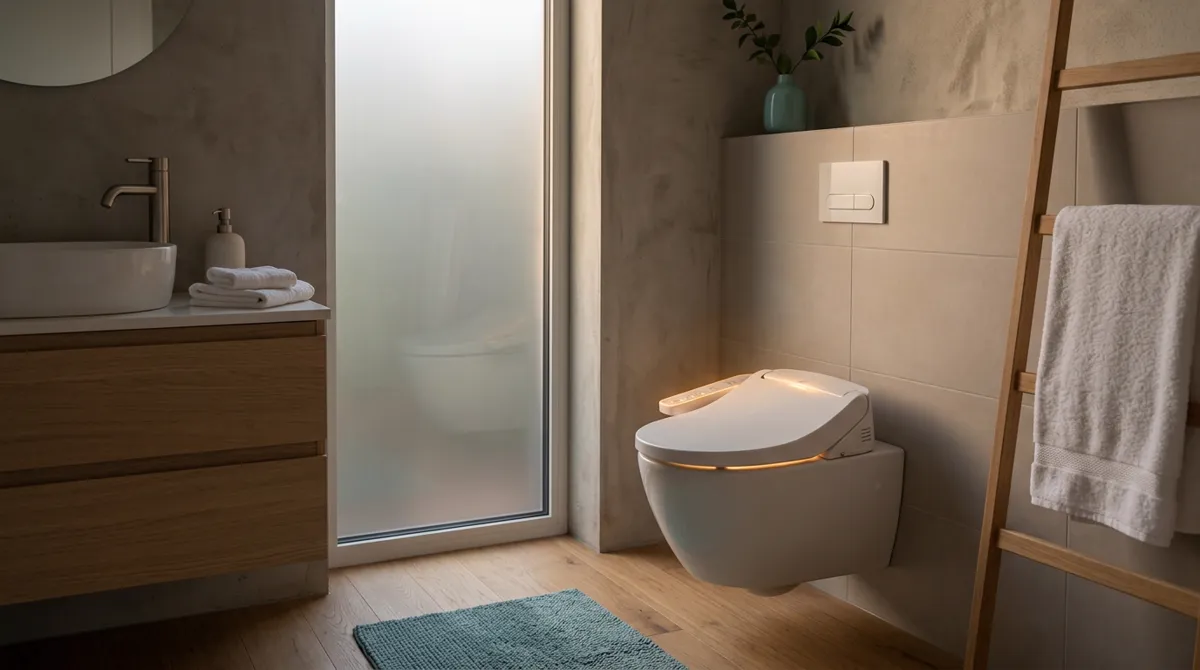
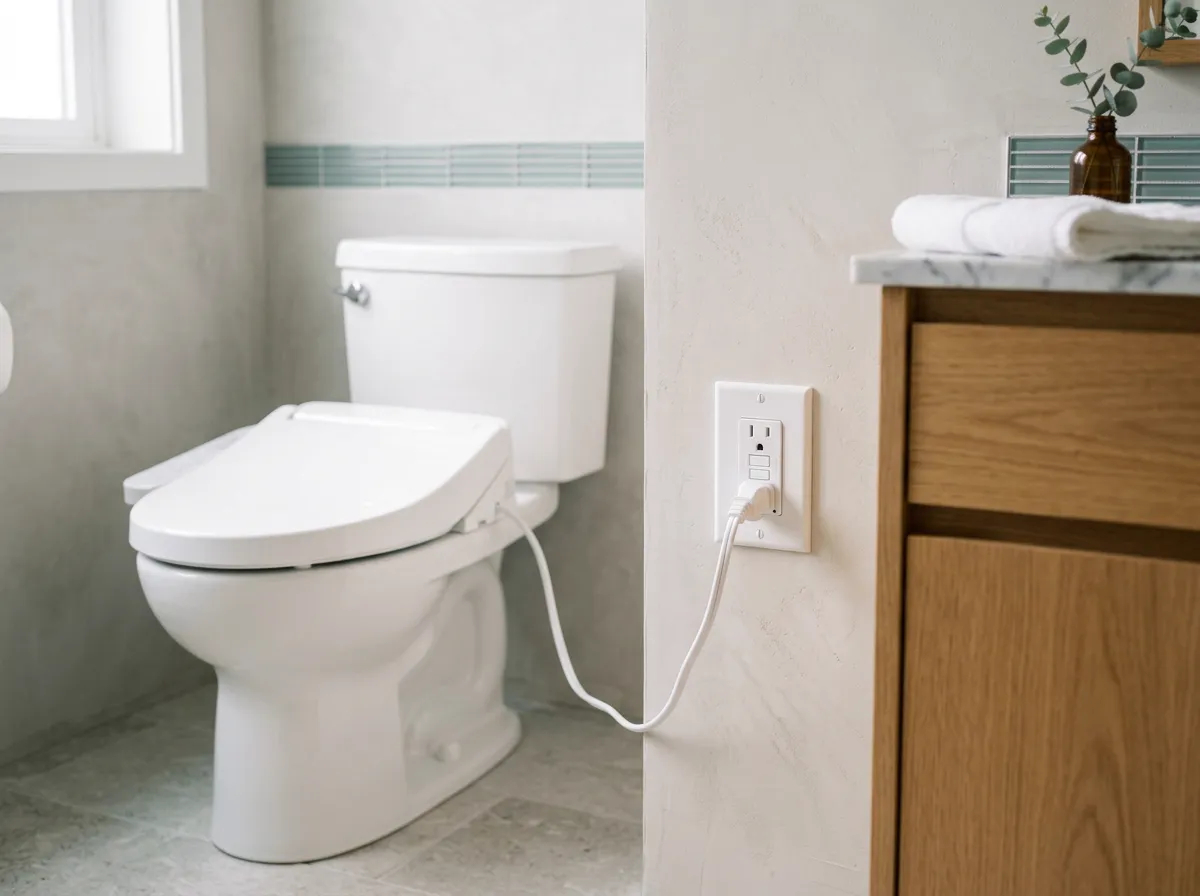
This is the last objection standing between a lot of people and a heated bidet seat: it's plugged in and warm all day, so surely it quietly runs up the electric bill. It doesn't. A heated bidet seat is one of the cheaper always-on appliances in a modern home, and the annual cost lands in a range most people would round to nothing.
The honest figure is roughly $20 to $65 a year in electricity for a typical heated seat, depending on how much you use it, how it heats water, your settings, and your local power rate. That's a few dollars a month at the high end and closer to a couple of dollars a month with power-saving turned on. For context, that's in the neighborhood of what a single incandescent bulb left on would cost — for a device that heats your seat, warms the water, and dries you.
This guide breaks down where those watts actually go, because understanding that tells you how to land at the bottom of the range instead of the top. The big lever isn't the wash — it's the always-on heating, and there's a clear difference between how tankless and reservoir seats handle it. If cost is your whole concern, there's also a version of a bidet that uses no electricity at all, and we'll point you there too.
Happy with a few dollars a month? See the heated seats worth it.
See our picks →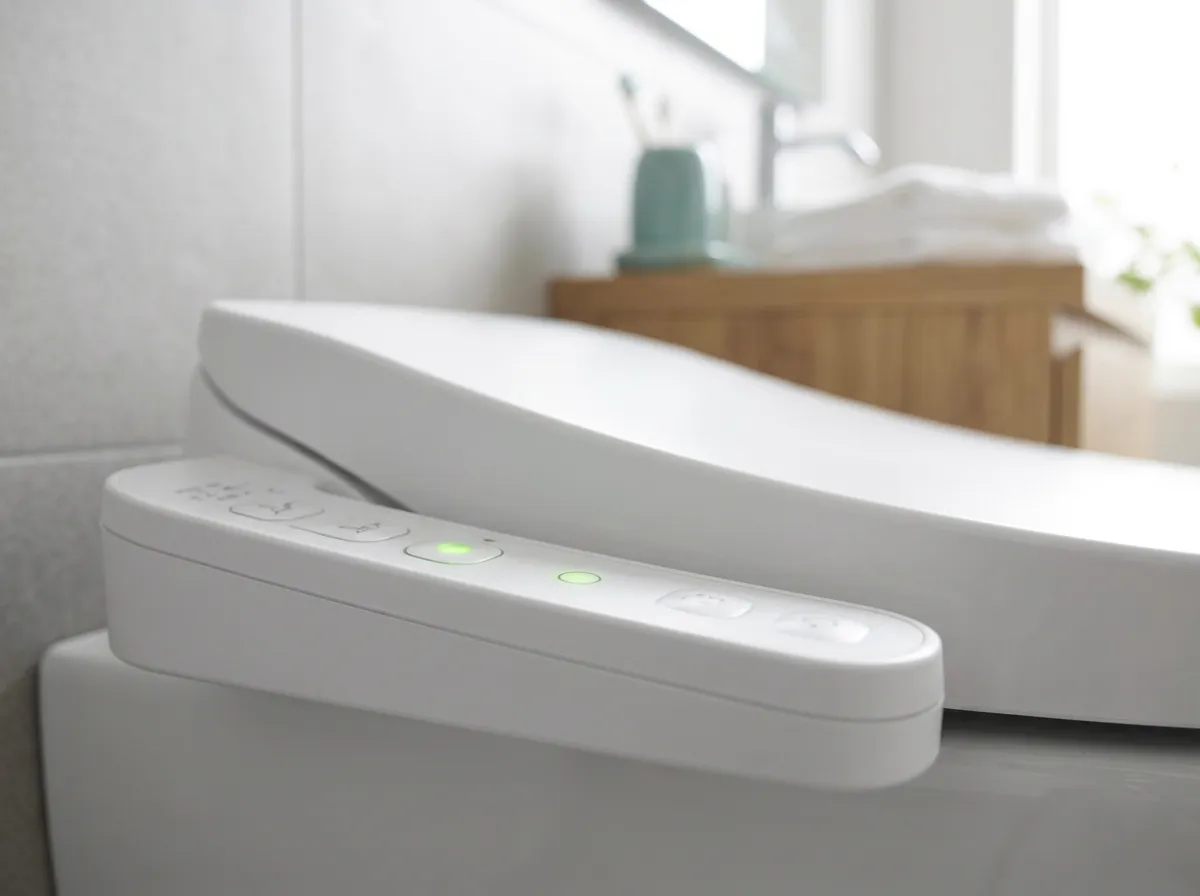
The short answer, in dollars
BidetKing's operating-cost breakdown for a common tankless seat puts heavy daily use at around $65 a year and light use at around $22, and notes that with the power-saving function on, the annual cost lands closer to $20. Blend in typical use and it's in the $30 to $45 range for most households. Those figures were calculated at a modest electricity rate; the EIA's most recent U.S. residential average is about 18.83 cents per kilowatt-hour (April 2026), and where power is pricier your number rises proportionally. But even doubling the estimate keeps a heated seat firmly in single dollars per month. This is not an appliance that moves your bill in a way you'd notice.
Where the watts actually go
A heated seat has four power draws, and they're very different in how much energy they consume over a day. The seat warmer runs continuously whenever it's on but at low wattage — typically a few dozen watts — so it sips steadily. Water heating is the variable one: a reservoir (tank) model keeps a small tank warm around the clock, while a tankless model fires a high-wattage element only for the seconds you're actually washing. The warm-air dryer pulls more power, a hundred watts or more, but only for the couple of minutes you use it. And standby — the electronics waiting for you — is just a few watts. Add it up and the picture is clear: the costs that matter are the ones that run all day, not the ones that run for seconds.
Why 'always-on' beats 'high-wattage' for cost
People instinctively worry about the biggest wattage number on the spec sheet — often the tankless water heater at 1,000-plus watts. But watts only become cost when multiplied by time, and that heater runs for maybe fifteen seconds per wash. A 40-watt seat warmer left on for 24 hours uses far more energy in a day than a 1,200-watt heater firing for a couple of minutes total. This is the single most useful thing to understand about bidet running cost: the seat warmer and, on tank models, the standby water heating are what quietly accumulate, because they're heating when nobody's in the room. That's also exactly what an energy-saving mode targets.
Tankless vs reservoir: the running-cost difference
This is where the two heating designs separate. A reservoir seat keeps a tank of water hot continuously so it's ready the instant you press wash, which means it pays a standby heat-loss cost around the clock, whether you use it once a day or ten times. A tankless seat carries no hot tank; it heats water on demand, drawing a lot of power but only during the wash itself, so it spends nothing keeping water warm between uses. The practical result is that tankless seats generally cost less to run, sometimes noticeably so, and they never run out of warm water mid-wash. Our tankless-versus-reservoir comparison covers the full trade — tankless usually wins on both running cost and endless warm water, while reservoir models tend to cost less up front.
Eco mode is the biggest lever you control
Nearly every heated seat has some form of energy-saving or eco mode, and it works precisely because it attacks the always-on costs rather than the per-use ones. Typically it lowers or cuts the seat warmer and water heating during the hours you don't use the bathroom — overnight, the workday — and returns to temperature when you do, sometimes on a learned schedule. BidetKing notes this is what pulls the annual cost down toward the $20 end. If minimizing the bill matters to you, turning eco mode on is the highest-impact thing you can do, and on most seats the comfort difference is small because the seat reheats before you'd normally use it. It's the closest thing to a free lunch in this whole calculation.
What actually moves your number up or down
Four things set where you land in the range. Your local electricity rate is the biggest external factor — at the EIA national average around 18.83 cents per kWh you're near the middle, but rates run from roughly half that to well over double it by region, so a Californian and a Washingtonian running the identical seat pay very different amounts. Household size and usage frequency scale the wash and dryer costs. Your settings matter: maximum seat and water temperature all day costs more than moderate settings with eco on. And climate plays in — a cold bathroom makes the seat warmer work a little harder to hold temperature. None of these turn a cheap appliance into an expensive one; they just move you within a band that tops out around a nice dinner's worth of electricity per year.
If electricity is your whole concern: skip it entirely
There's an honest escape hatch worth naming. If the running cost is genuinely what's stopping you, the answer isn't to agonize over eco settings — it's to buy a non-electric bidet, which uses zero electricity because it has no heater, no dryer, and nothing to plug in. A cold-water attachment costs nothing to run and nothing to install an outlet for, and a small class of non-electric attachments even delivers warm water by tapping your sink's hot line. You give up the heated seat and the air dryer, but you pay nothing to operate it, ever. That's covered in our guide to bidets without an outlet. For most people, though, the heated seat's few dollars a month is money well spent — which is the whole point of running the numbers honestly.
Tips & warnings
- Budget roughly $20 to $65 a year for a heated seat's electricity — a few dollars a month, and near $20 with power-saving on.
- The cost comes from the always-on seat warmer (and, on tank models, standby water heating), not the high-wattage wash, which runs only seconds.
- Tankless seats generally cost less to run than reservoir models because they don't keep a tank of water hot around the clock.
- Turn on eco/energy-saving mode — it targets exactly the always-on heating and is the biggest lever you control.
- Your local rate is the main variable: the EIA U.S. average is about 18.83¢/kWh, but regions run from half to double that.
- If running cost is your only worry, a non-electric bidet uses zero electricity — that's the real fix, not fiddling with settings.
Frequently asked questions
How much does a heated bidet seat cost to run per year?
Roughly $20 to $65 a year in electricity for a typical heated seat — a few dollars a month at most. BidetKing's breakdown for a common tankless seat puts heavy daily use near $65 and light use near $22, dropping close to $20 with the power-saving function on; most households land somewhere in the $30 to $45 range. Those estimates assume a moderate electricity rate, and your exact cost scales with your local price — the EIA's recent U.S. residential average is about 18.83 cents per kilowatt-hour, with regional rates running from about half that to more than double. The bulk of the cost is the always-on seat warmer and, on tank models, keeping the water reservoir warm; the wash itself uses power for only seconds. Even on the high end, it's not an appliance that noticeably moves your bill.
What uses the most electricity on a bidet seat?
The parts that run continuously, not the ones with the biggest wattage numbers. The seat warmer draws only a few dozen watts, but it runs whenever it's on, so it steadily accumulates. On reservoir (tank) models, keeping the stored water hot around the clock is the other always-on cost. By contrast, the tankless water heater can exceed 1,000 watts, and the warm-air dryer draws a hundred watts or more — but each runs only for seconds or a couple of minutes per use, so their total daily energy is small. Watts matter only when multiplied by time, which is why a low-wattage heater left on all day costs more than a high-wattage one firing briefly.
Do tankless bidet seats cost less to run than tank models?
Generally yes. A reservoir seat keeps a small tank of water hot continuously so warm water is ready instantly, which means it pays a standby heat-loss cost 24 hours a day regardless of how often you use it. A tankless seat heats water only during the wash, so it spends nothing keeping water warm between uses — it draws high power, but only for the seconds it's running. That usually makes tankless cheaper to operate, and it also means the warm water never runs out mid-wash. The trade is that tankless seats typically cost more up front. Our tankless-versus-reservoir comparison walks through both sides in detail.
Will a heated bidet seat noticeably increase my electric bill?
No. Even at the higher end of the range — around $65 a year — that's under $6 a month, and with an energy-saving mode on it's closer to $2. That's comparable to leaving a single old-style light bulb running, for an appliance that heats the seat, warms the wash water, and dries you. Where it could be higher is in regions with expensive electricity or with a household that uses it heavily on maximum settings, but even then it stays in single dollars per month for most people. If you weren't tracking your electric bill closely before, a heated bidet seat won't be the thing that makes it jump.
How can I reduce what my bidet seat costs to run?
Turn on the energy-saving or eco mode — it's the highest-impact step because it reduces the always-on heating (seat warmer and stored water) during the hours you don't use the bathroom, then reheats before you'd normally need it. Beyond that, run moderate seat and water temperatures rather than maximum, and if you're still shopping, favor a tankless seat, which avoids the round-the-clock standby cost of keeping a tank warm. Together those keep you near the bottom of the cost range. And remember the running cost is small to begin with, so it's rarely worth obsessing over the last dollar.
Does a bidet seat use electricity in standby mode?
A little — typically just a few watts to keep the electronics and controls responsive. That standby draw is small compared with the seat warmer and, on tank models, the continuous water heating, which are the real always-on costs. It's not worth unplugging the seat between uses to save that handful of watts; you'd lose the instant readiness and, on some models, reset your settings, for a saving of pennies. The meaningful savings come from the energy-saving mode and from choosing a tankless heater, not from cutting standby power.
Sources
- EIA — U.S. average residential electricity price (Table 5.6.A)
- BidetKing — cost to operate a bidet toilet seat