
How much does a bidet cost?
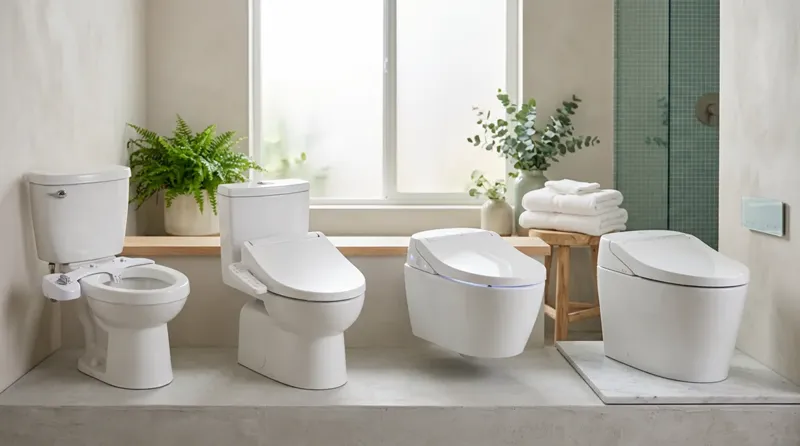
A bidet can cost as little as about $12 for a portable squeeze bottle or about $30 for a non-electric attachment, or more than $10,000 at list price for a top-end smart toilet. Mainstream electric seats with warm water and a heated seat mostly sit between about $300 and $600. The right price for you comes down to one question: how much comfort and how many features do you actually want?
The good news is that you do not have to spend a lot to get a clean rinse. Moving up to an electric seat or an all-in-one smart toilet mostly buys comfort: warm water, a heated seat, a dryer and automation.
Below we break down what each type costs, what you will pay to install it, and what it costs to run, using prices listed on the manufacturers' own sites. Sale prices change, so treat the figures as ranges. What we won't do is promise that a bidet pays for itself by a set date: toilet-paper savings depend on what your household spends now, and the running-costs section shows how to work out your own number.
Want the cheapest way in? See the best bidet attachments.
See our picks →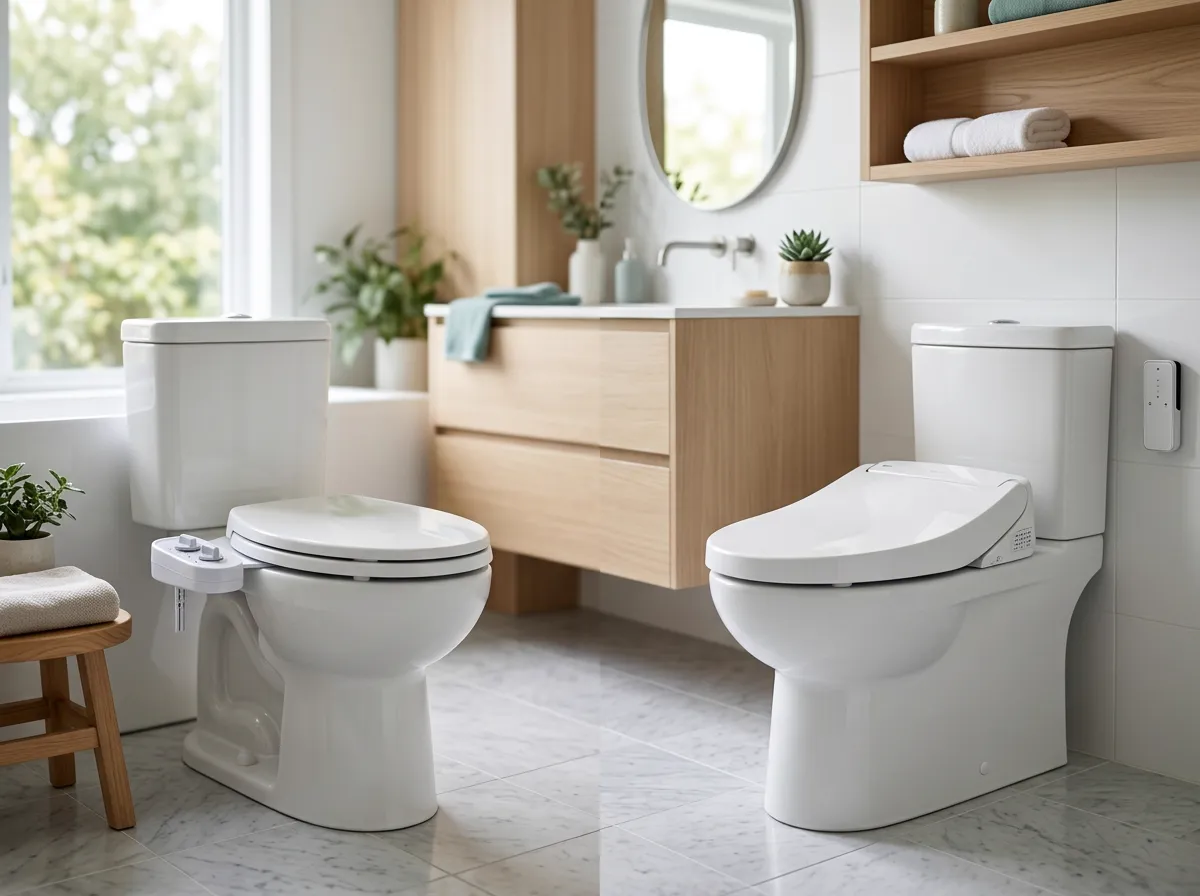
Handheld and Portable Bidets: $12–$100
These are the cheapest ways to try a bidet, and they work differently. A portable bidet is a squeeze bottle with a nozzle that you fill at the sink and take anywhere; Brondell's GoSpa travel bidets run from about $12 to $25. A handheld sprayer mounts beside the toilet and connects to its water supply. Sprayers start around $25: Brondell's Rinslet was on sale for about $22 to $25 when we checked (about $45 to $50 regular). Brondell's other sprayers, the PureSpa, CleanSpa and SimpleSpa, run about $45 to $100, with the pricier kits adding a stainless holster and a built-in shut-off. A standard sprayer tees off the toilet's cold supply, so the water comes out at tap temperature unless you plumb in a hot line, and aiming it takes a little practice.
Non-Electric Bidet Attachments: $30–$150
This is the usual starting point for anyone who wants a bidet that stays on the toilet without spending much. An attachment slides under your existing toilet seat and adds a rinse nozzle you control with a dial, with no electricity needed. Basic cold-water models start around $30 (the LUXE Bidet NEO 110 is $29.99), and pricier models, such as TUSHY's cold-water Classic 3.0 at $129, sit toward the top of the range. Warm-water versions don't heat anything themselves; they connect to your sink's hot-water line instead, and run from about $60 for LUXE's NEO 320 to $149 for the TUSHY Spa 3.0. TUSHY notes its sink-fed models (the Spa 3.0 and Oasis) need the sink within about 6 feet of the toilet.
Non-Electric Bidet Seats: $80–$200
A non-electric bidet seat replaces your toilet seat instead of sitting under it, and runs on water pressure alone, so there is no outlet to add. Prices start around $80 to $90: Brondell's Swash EcoSeat S101 is about $90, and Bio Bidet lists its BB-300 at $79. TUSHY's Oasis, at $199, adds warm water by connecting to the sink line, the same way the warm-water attachments do. What you don't get without power is a heated seat or a warm-air dryer; those need an electric seat.
Electric Bidet Seats: $200–$2,000
These replace your toilet seat entirely and plug into an outlet to power heated water and a heated seat, plus, depending on the model, a warm-air dryer, a remote and a deodorizer. Entry-level seats start around $200: Bio Bidet's BB-500 Series is $199 on sale ($219 regular), and Brondell's Swash SE400 is about $300. Most mainstream seats from Brondell, Bio Bidet and TUSHY land between about $300 and $600; the TUSHY Cloud is $359 and Bio Bidet's BB-2000 Bliss is $549. TOTO's higher-end WASHLETs run higher at list price: the S5 lists at $974 and the S7A at about $2,000. TOTO shows these as MSRP list prices and advertises showroom discounts off list, so treat them as a ceiling. For everyday comfort, the $300 to $600 band is the sweet spot.
Integrated Smart Toilets: $550–$10,000+
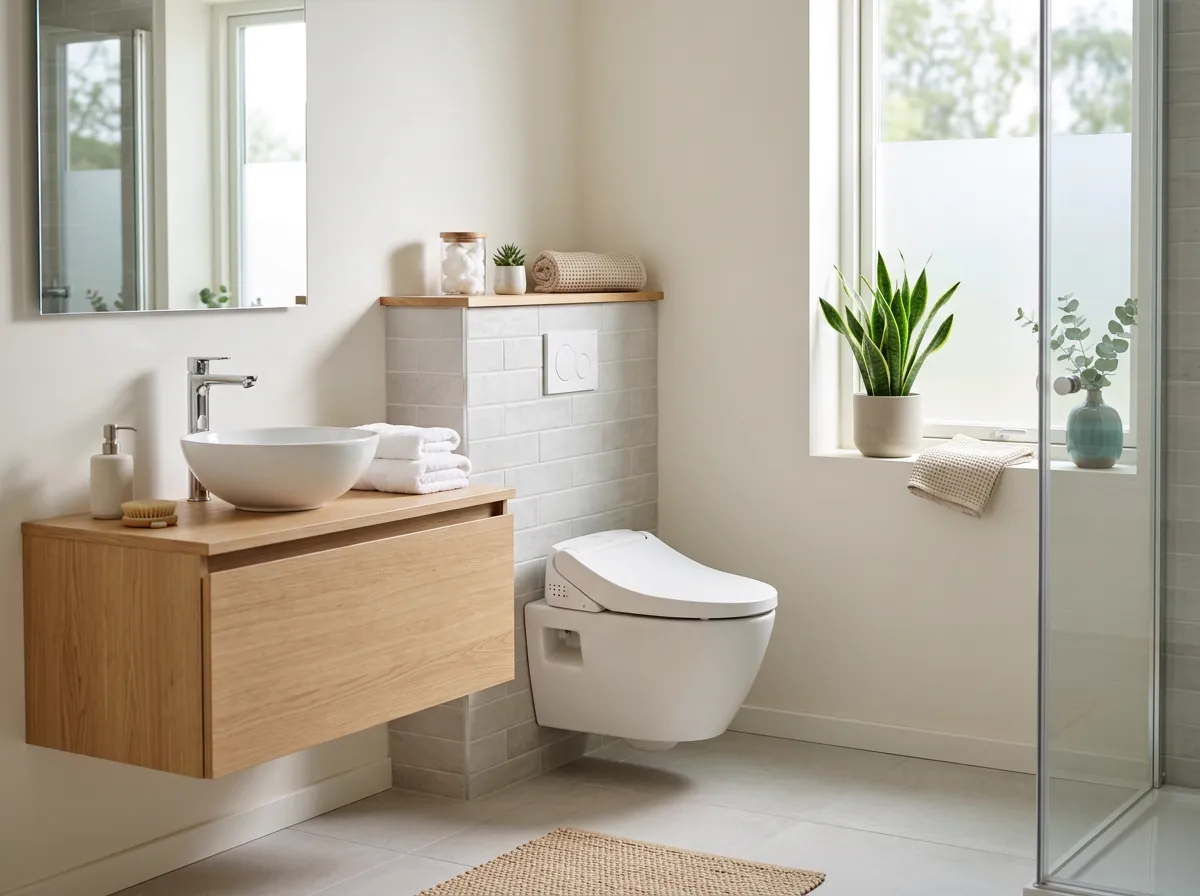
An integrated smart toilet is an all-in-one unit where the bidet, heated seat and toilet are a single fixture, and prices span a huge range. Budget direct-to-consumer brands start around $550: HOROW's T16, a smart toilet with a heated seat and instant warm-water wash, is $559. Models from the big bidet brands sit around $1,600 to $2,700: the TUSHY Eau is $1,599, Brondell's Coit is about $2,500 and Bio Bidet's Discovery DLX is $2,699. At the top, TOTO lists its NEOREST AS at about $9,000 and its NEOREST LS from about $10,700. Because these replace the whole toilet, budget for installation on top of the purchase price; TUSHY, for example, says the Eau requires professional installation, plumbing and electricity. These are typically chosen during a bathroom remodel, and at the budget end it is worth checking the warranty and who handles U.S. service before you buy.
Installation: Usually DIY; Budget Extra for Wiring or a Smart Toilet
Attachments and bidet seats are designed as DIY installs that tap the toilet's existing water supply; TUSHY, for example, quotes a 10-minute install with no plumber for its Classic 3.0, and offers an $89 installation add-on through Angi if you'd rather not do it yourself. The main extra cost is power. Electric seats need a GFCI-protected, three-prong grounded outlet, and BidetKing notes that seat cords are about 4 feet long, so the outlet belongs on the wall behind the toilet. What that costs depends on the wiring you already have. Bob Vila, citing Angi, puts changing an existing outlet to GFCI at $130 to $300 (national average $210), with electrician labor at about $50 to $100 an hour. If there isn't an outlet there already, the electrician has to run wire to the spot, cut an opening in the wall and wire up the new outlet, and Bob Vila says to expect a higher cost. Smart toilets are a bigger job because they replace the whole fixture: Bob Vila puts a standard toilet installation by a plumber at about $224 to $532, and says the type of toilet and the complexity of the job drive the final figure. A smart toilet also needs the outlet described above, so if you don't have one, budget for an electrician as well as a plumber. Our guide to bidets without an outlet covers the options that skip the wiring.
Running Costs vs. Toilet-Paper Savings
Running costs are small. BidetKing's 2014 worked example for an electric seat comes to about $22 a year in electricity with lighter use and power saving on, and about $66 a year with heavy use and power saving off, so plan on roughly $20 to $65 a year at the rate BidetKing assumed; your cost scales with your local electricity rate. The same example puts water at about $2 a year even at heavy use. Non-electric models use no power at all. Our bidet seat electricity cost guide shows where the watts go and how to land at the low end. Savings are the harder number, because they depend on what your household spends now. Start from your own figure: six months of toilet-paper purchases, doubled, or an estimate from our toilet paper calculator. Our breakdown of how much toilet paper a bidet actually saves walks through the rest of the payback method, including why published household averages disagree so widely and where the math works and where it doesn't.
Tips & warnings
- If you just want to try a bidet, start with a $30–$60 non-electric attachment before spending on an electric seat.
- Want warm water without paying for electricity? Pick an attachment or non-electric seat that connects to your sink's hot-water line, and check the sink is close enough to the toilet.
- Before buying an electric seat, check that you have a GFCI outlet near the toilet, or budget for an electrician.
- Measure your toilet (round vs. elongated, one-piece vs. two-piece) so the seat or attachment fits the first time.
- Work out payback from your own toilet-paper spend, not a published average. A cheap attachment can earn its keep; a premium seat is bought for comfort.
- Check whether a price is list or sale: TOTO's site shows MSRP list prices, while Bio Bidet and Brondell were both running sales when we checked these prices.
Frequently asked questions
How much does a bidet cost?
A bidet costs anywhere from about $12 to more than $10,000, depending on the type. Portable squeeze-bottle bidets run about $12 to $25, and handheld sprayers that mount beside the toilet about $25 to $100. Non-electric attachments that fit under your existing seat cost about $30 to $150, and non-electric bidet seats about $80 to $200. Electric bidet seats with warm water and a heated seat start around $200, most mainstream models cost $300 to $600, and TOTO's WASHLET S7A lists at about $2,000. Integrated smart toilets run from about $550 for budget brands to over $10,000 at list price for TOTO's NEOREST line. Electric models need a GFCI outlet by the toilet: if there's already an outlet there, converting it to GFCI runs roughly $130 to $300, and wiring in a new outlet costs more.
What is the cheapest type of bidet?
A portable squeeze-bottle bidet is the cheapest, at about $12 to $25, followed by handheld sprayers from about $25. The cheapest hands-free option is a non-electric attachment: it starts around $30, fits under your existing seat and needs no electricity.
How much does a bidet toilet seat cost?
A bidet toilet seat costs from about $80 to about $2,000 at list price. Non-electric seats, which run on water pressure alone, cost about $80 to $200. Electric seats with warm water and a heated seat start around $200; most mainstream models from Brondell, Bio Bidet and TUSHY cost $300 to $600, and TOTO's WASHLET S7A lists at about $2,000, though TOTO advertises discounts off list. Electric seats also need a GFCI outlet near the toilet, so budget for an electrician if you don't have one.
Do I need an electrician to install a bidet?
Only for electric models. Handheld sprayers, non-electric attachments and non-electric seats need no power and install with basic tools. Electric seats and smart toilets need a GFCI-protected, grounded outlet close to the toilet, since bidet seat cords are typically about 4 feet long. If there's already an outlet near the toilet, an electrician can convert it to GFCI for roughly $130 to $300; adding a new outlet where there isn't one costs more, because wire has to be run to the spot and the wall opened up.
How much does a bidet cost to run each month?
Very little. In BidetKing's worked example, an electric seat that heats the water and the seat uses roughly $20 to $65 a year in electricity, or about $2 to $5 a month, with the low end reflecting lighter use and power-saving mode; expect more where power is expensive. Water adds only a couple of dollars a year, even for a heavy-use household. Non-electric bidets use no electricity, so water is their only running cost.
Do bidets actually save money?
They cut your toilet-paper spending, but how much depends on what your household spends now, and there is no reliable universal per-person or per-household figure to plug in. Start from your own spend: add up six months of toilet-paper purchases and double it. If you'll still dry with paper, assuming you cut about half is a conservative planning figure. Divide the bidet's total cost, including any installation or electrician, by that yearly saving to get your payback in years. On that math, an inexpensive attachment pays for itself fast enough to matter. A premium electric seat is a comfort purchase; paper savings are too slow to be the reason to buy one.
Is a $500 electric seat worth it over a $50 attachment?
It depends on what you value. A $50 attachment gives you a clean rinse and cuts your toilet-paper use. The extra money on an electric seat buys comfort: warm water, a heated seat and, depending on the model, a warm-air dryer and a remote. Paper savings won't close that gap on any realistic schedule, so buy the seat because you want those features, not to save money. If you only want clean and cheap, the attachment wins.
Sources
- Brondell — GoSpa travel bidet (prices across the GoSpa portable line)
- Brondell — hand-held bidet sprayers (Rinslet sale and regular price; PureSpa, CleanSpa and SimpleSpa prices)
- LUXE Bidet — NEO 110 non-electric attachment (price)
- TUSHY — Classic 3.0 attachment (price, cold-water line, sink distance for the sink-fed Spa 3.0 and Oasis, install time, installation add-on)
- LUXE Bidet — NEO 320 non-electric warm-water attachment (price, sink hot-water connection)
- TUSHY — Spa 3.0 warm-water attachment (price)
- Bio Bidet — BB-300 non-electric bidet seat (listed price)
- Brondell — Swash EcoSeat S101 non-electric bidet seat (price)
- TUSHY — Oasis warm-water non-electric bidet seat (price)
- Bio Bidet — BB-500 Series electric bidet seat (sale and regular price)
- Brondell — Swash SE400 electric bidet seat (price)
- TUSHY — Cloud heated bidet seat (price)
- Bio Bidet — BB-2000 Bliss electric bidet seat (price)
- TOTO — WASHLET S5 elongated bidet seat (MSRP list price)
- TOTO — WASHLET S7A bidet seat (MSRP list price, showroom discount off list)
- HOROW — T16 smart toilet with heated bidet (price, heated seat, instant warm water)
- TUSHY — Eau smart toilet (price, professional installation required)
- Brondell — Coit integrated smart bidet toilet (price)
- Bio Bidet — Discovery DLX smart bidet toilet (price)
- TOTO — NEOREST AS dual flush toilet (MSRP list price)
- TOTO — NEOREST LS dual flush toilet (MSRP list price)
- Bob Vila — How much does a GFCI outlet cost to install? (existing-outlet swap vs. new outlet)
- Bob Vila — How much does toilet installation cost?
- BidetKing — Bidet toilet seat electrical outlet FAQ
- BidetKing — How much does it cost to operate a bidet toilet seat? (2014 worked example)