
Cold water bidet vs warm
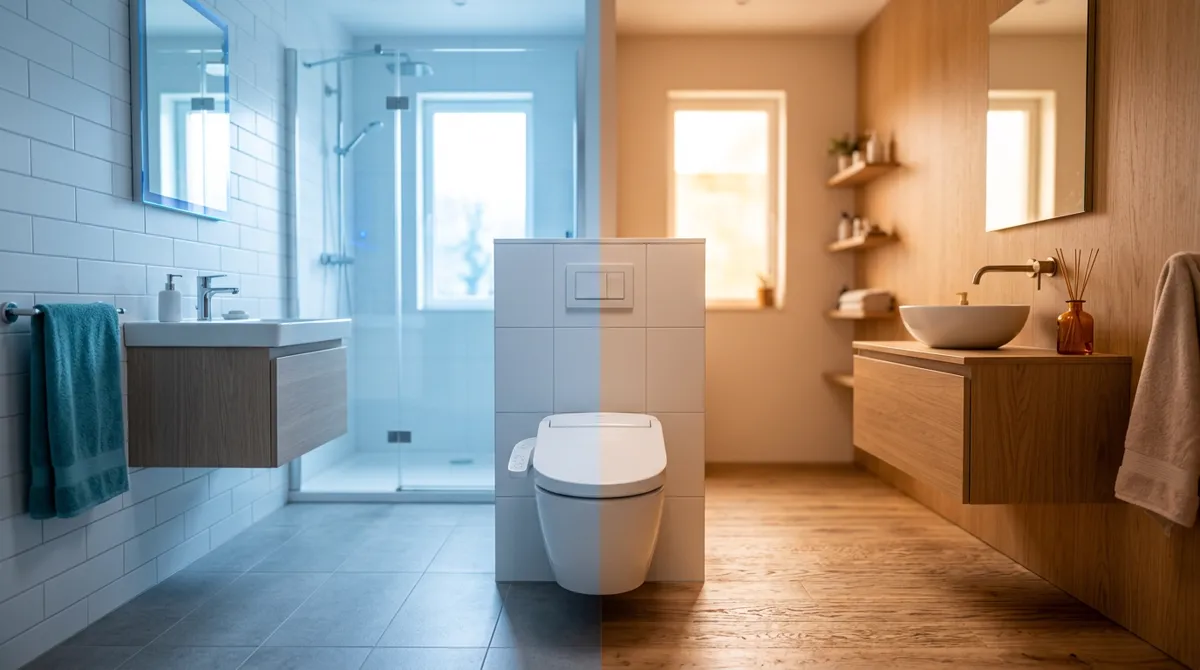
Every bidet buyer eventually hits this fork: a $30 attachment sprays whatever comes out of the cold line, while an electric seat, from about $200, sprays warm. The internet will tell you confidently that cold is fine and you'll get used to it, or that cold is unbearable and you'll regret it. Both camps are describing real experiences — they're just describing different people.
The honest answer is that most people do acclimate to a cold-water bidet, usually within a week or two, and a large share never feel the need to upgrade. The shock is real but front-loaded, and it fades. If you're buying your first bidet, budget matters, and you live somewhere with a temperate climate or a heated bathroom, a cold-water attachment is a perfectly sound choice and the cheapest way to find out whether you like bidets at all.
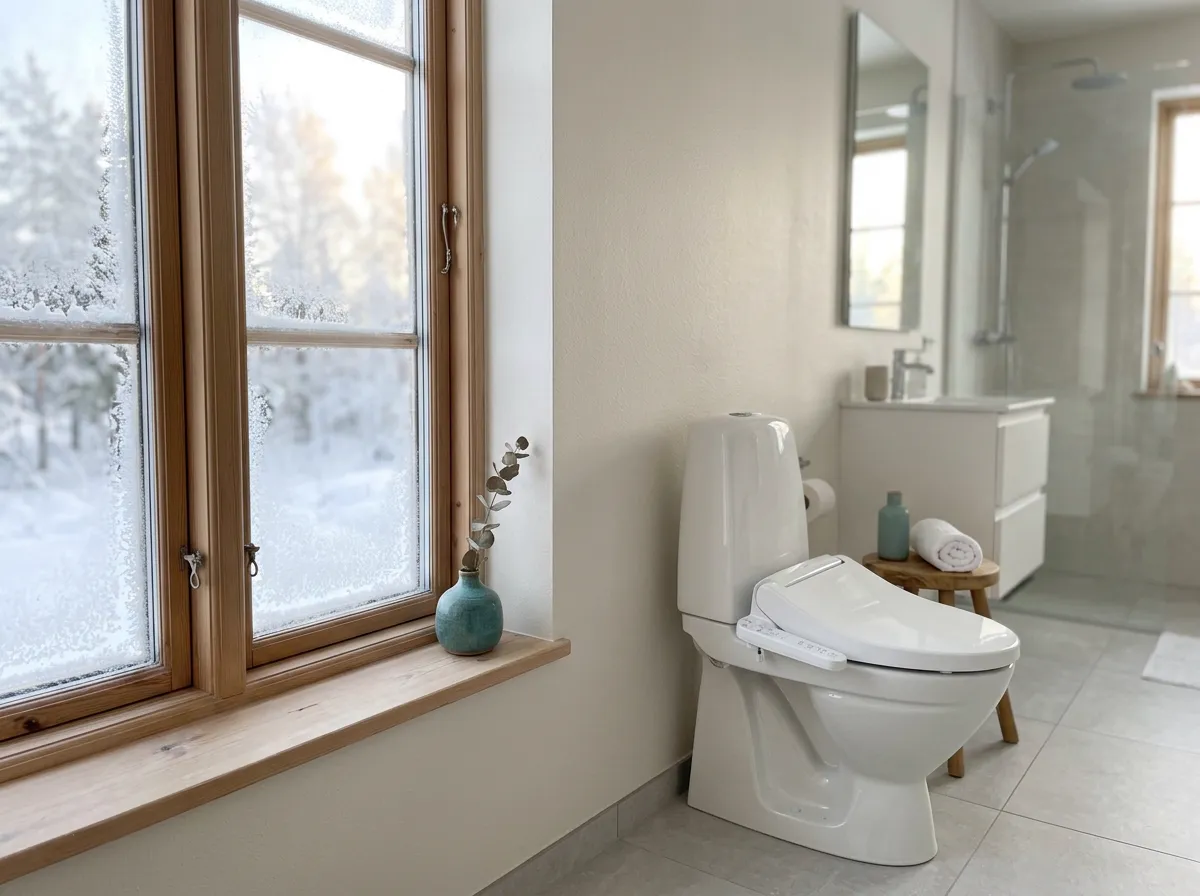
But there's a genuine minority for whom cold is the wrong call, and the advice-givers who insist everyone adjusts are doing those people a disservice. A cold bathroom in a northern winter, a medical reason for wanting soothing warmth, or simply knowing your own tolerance for cold — any of those tips the decision. This guide covers what 'cold' actually means in practice, who should skip it, and the three different ways to get warm water, including one that needs no electricity.
Decided warm is worth it? See the warm-water seats we'd buy.
See our picks →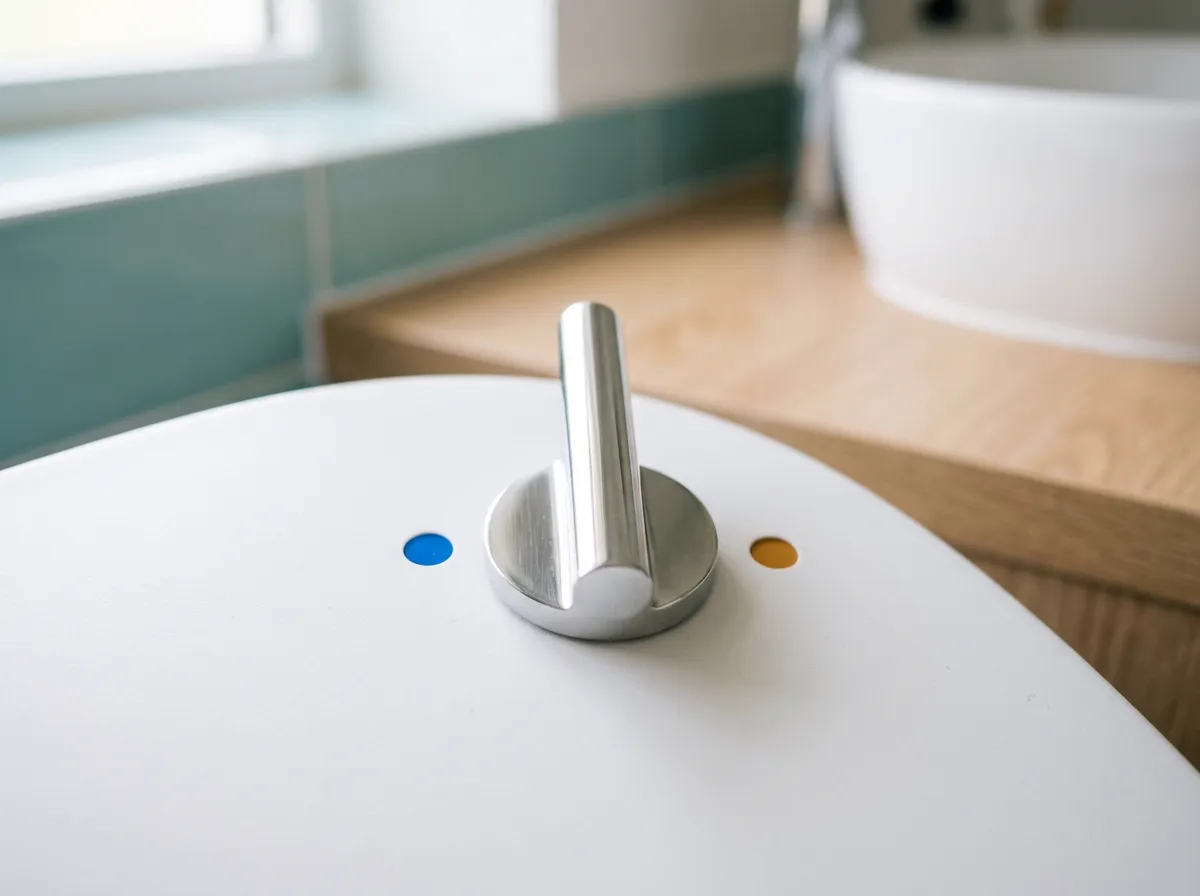
What 'cold' actually means — and why it changes in winter
A cold-water bidet doesn't spray refrigerated water; it sprays whatever temperature your supply line is, which is milder than people fear but genuinely varies by season and region. The mechanism is the ground your water travels through: a USGS study of shallow groundwater in central Delaware measured temperatures at eight feet ranging from about 45°F in February to about 70°F in September. That's one location in one region, but it illustrates the pattern well — the same tap that feels merely brisk in September can feel shocking in February. The regional dimension compounds it: supply water in northern states runs meaningfully colder than in the deep South, and homes on shallow lines or well water see bigger swings. So 'is cold water okay?' has a seasonal answer, and people who buy in July sometimes reconsider in January.
The acclimation reality, honestly stated
Most people adapt, and faster than they expect. The first few uses are genuinely startling; by the end of the first week the reaction has usually dulled to 'brisk' rather than 'shocking,' and many owners stop noticing entirely. Part of this is physiological habituation and part is technique — a lower pressure setting and a brief wash feel very different from a long blast at full strength. It's also worth knowing that plenty of long-term bidet users in warm climates use cold water permanently and consider warm an unnecessary luxury. That said, honesty cuts both ways: a minority never acclimate and quietly stop using the bidet, which is the worst outcome because you've paid for something you avoid. Knowing which group you're in matters more than any general rule.
Who should not settle for cold
Four situations genuinely favor paying for warm. First, a cold climate combined with an unheated or poorly heated bathroom — the discomfort compounds when the room, the seat, and the water are all cold at 6am in January. Second, medical reasons: for conditions like hemorrhoids or postpartum recovery, gentle warm water is more soothing than cold, and comfort determines whether you actually use it during recovery — though anything health-related is worth raising with your doctor rather than deciding from a buying guide. Third, older users and anyone with circulation issues or heightened cold sensitivity. Fourth, and most underrated: people who simply know they hate cold water. Self-knowledge is legitimate evidence. If you flinch at a cool shower, don't buy a cold-water bidet expecting to become a different person.
Way one to get warm: an electric bidet seat
The mainstream answer is an electric seat that heats the water itself, which also brings a heated seat surface, adjustable temperature, and usually a dryer and remote. Two heating designs exist: a reservoir model keeps a small tank of warm water ready, which is simpler and cheaper up front but can run cool during a long wash and pays a standby heating cost around the clock; a tankless model heats on demand, so warm water never runs out and it generally costs less to run. Our tankless-versus-reservoir comparison covers that trade in full. The catch is that any electric seat needs a grounded outlet near the toilet, which many bathrooms don't have — and the running cost, while modest, is real.
Way two: warm water with no electricity at all
Less known, and the right answer for some homes: a small category of non-electric attachments delivers warm water by taking two supplies instead of one — the toilet's cold line plus a tee off the hot side of your bathroom sink — and blending them at a mechanical mixing valve you control with a lever. No outlet, no electricity, real warm water. The trade is the installation: you're running a hose from under the vanity to the toilet and tapping a live hot line. Bio Bidet notes this approach means routing a water line through the cabinet or floor and carries an increased risk of leaks, which is why they don't sell one. Take that seriously — it's a legitimate solution, but it's the option most likely to go wrong in an amateur install, and it's a poor fit for renters. There's also a lag while hot water travels from the heater, so the first seconds run cool.
Way three: the cheap test — a portable bidet
Before spending $200 or more to solve a problem you might not have, spend about $15. A portable travel bidet is a squeeze bottle with an angled nozzle that you fill at the sink — which means you control the temperature completely, warm as you like, with no plumbing and no install. It's not a long-term replacement for most households, but it's an unusually good diagnostic: use it warm for a week, then use it cool, and you'll learn more about your own tolerance than any article can tell you. That answer then makes the real purchase obvious. It's also genuinely useful afterward for travel or a guest bathroom, so the money isn't wasted either way.
What warm actually costs you
Be clear-eyed about the gap. A cold-water attachment runs from about $30 (LUXE's NEO 110) to about $130 (TUSHY's Classic 3.0) and installs in under half an hour with no outlet needed. Sink-fed warm-water attachments cost a little more: LUXE's NEO 320 is about $60 and TUSHY's Spa 3.0 is $149. An electric warm-water seat starts around $200 (Bio Bidet's BB-500 was $199 on sale when we checked), needs a grounded outlet nearby — often the real obstacle, since most bathrooms only have one by the sink — and adds a modest running cost, roughly $20 to $65 a year in electricity in BidetKing's worked example, depending on usage and settings. Our bidet cost guide lists prices for every type. None of that makes warm a bad buy; a heated seat is a genuine daily comfort that many owners call their favorite upgrade. But the honest framing is that you're paying meaningfully more, up front and ongoing, for comfort rather than for cleaning performance. A cold attachment cleans exactly as well.
A decision shortcut
Temperate climate, heated bathroom, first bidet, budget-conscious: buy the cold-water attachment, and know that most people adjust within a couple of weeks. Cold climate with a chilly bathroom, or a medical reason, or you already know you hate cold water: go straight to warm and skip the experiment — buying cold and upgrading later costs more than buying right the first time. Want warm but have no outlet: look at the sink-hot-line attachment, or price an electrician before ruling out an electric seat. Genuinely unsure: buy the $15 portable, test both temperatures for a week, and let your own reaction decide. That last one is the most underused option on this page.
Tips & warnings
- Cold-water bidets spray supply-line temperature, not refrigerated water — but it swings seasonally, so a July purchase can feel very different in January.
- Most people acclimate within a week or two; lower pressure and a shorter wash make the adjustment much easier.
- Cold cleans exactly as well as warm — you're paying for comfort, not performance.
- Skip cold if you have a chilly bathroom in a cold climate, a medical reason for soothing warmth, or simply know you hate cold water.
- You can get warm water without electricity by plumbing a non-electric attachment to your sink's hot line — but it's a real install with leak risk, and not for renters.
- Unsure? A $15 portable bidet filled at the sink lets you test warm versus cool for a week before committing to anything.
Frequently asked questions
Is a cold-water-only bidet a mistake in a cold climate?
It can be, though not for everyone. Supply-line water is colder in northern regions and colder in winter — a USGS study of shallow groundwater in central Delaware measured about 45°F in February versus about 70°F in September, and northern states run colder still. Combine genuinely cold water with an unheated bathroom on a winter morning and the discomfort compounds in a way that's hard to acclimate to. That said, most people in temperate climates or heated bathrooms do adjust within a week or two, and many never upgrade. The honest rule: if your bathroom is cold in winter, or you already know you dislike cold water, buy warm from the start — upgrading later costs more than buying right the first time. Otherwise a cold-water attachment is a sound, inexpensive choice.
Do you get used to a cold water bidet?
Most people do, and faster than they expect. The first several uses are genuinely startling, but by the end of the first week the sensation typically settles into 'brisk' rather than 'shocking,' and many owners stop noticing altogether. Two things speed it up: use a lower pressure setting, and keep the wash brief — a gentle short spray feels completely different from a long blast at full pressure. But a minority never acclimate and end up avoiding the bidet they bought, which is the worst result. If you strongly dislike cold water in general, treat that as real evidence about yourself rather than assuming you'll adapt.
How cold is the water from a cold-water bidet?
It's whatever temperature your cold supply line is — not chilled or refrigerated, but cooler than body temperature and variable by season and region. Ground temperature drives it: USGS measurements of shallow groundwater at eight feet in central Delaware ranged from roughly 45°F in February to roughly 70°F in September. That's a single location, but the seasonal pattern holds broadly, and supply water in northern states runs colder than in southern ones. Practically, this means a cold-water bidet feels mild in late summer and considerably sharper in late winter, which is why some buyers who were happy in July reconsider in January.
Can you get a warm water bidet without electricity?
Yes, from a specific type of unit. Non-electric warm-water attachments connect to two supplies — the toilet's cold line and a tee off the hot side of your bathroom sink's shut-off — and blend them at a mechanical mixing valve controlled by a lever on the unit. No outlet or electricity required. The trade-off is installation: you're running a hose from under the vanity to the toilet and tapping a live hot line, which Bio Bidet notes raises the risk of leaks, and which rules it out for most renters. There's also a delay while hot water travels from the water heater, so the first seconds run cool. A standard single-line non-electric attachment cannot produce warm water — it sprays whatever your cold supply is.
Does warm water clean better than cold in a bidet?
No. Cleaning is a function of water and aim, not temperature, so a cold-water attachment cleans exactly as effectively as a premium warm-water seat. What you're buying with warm water is comfort — and comfort matters more than it sounds, because it determines whether you actually use the thing consistently, and because warmth is genuinely soothing for conditions like hemorrhoids or postpartum recovery. But if someone tells you warm water is more hygienic, that's not right. Frame the decision as comfort and long-term use, not performance.
Should I buy a cheap cold bidet first and upgrade later?
It depends on what you're uncertain about. If you're unsure whether you'll like bidets at all, buying an inexpensive cold attachment first is reasonable — it's a low-cost way to find out, and many people stop there permanently. But if you already know you want warm water, buying cold first and upgrading later means paying twice, so go straight to the seat. There's also a cheaper middle path: a roughly $15 portable bidet you fill at the sink lets you test warm versus cool water for a week with no installation at all, which answers the temperature question directly before you commit to any plumbing or spending.
Sources
- USGS — Ground-water temperature, with application to ground-water-source heat pumps
- Bio Bidet — warm water bidet options
- BidetKing — non-electric bidet attachment features
- LUXE Bidet — NEO 110 non-electric attachment (price)
- TUSHY — Classic 3.0 cold-water attachment (price)
- LUXE Bidet — NEO 320 non-electric warm-water attachment (price, sink hot-water connection)
- TUSHY — Spa 3.0 warm-water attachment (price, sink hookup)
- Bio Bidet — BB-500 Series electric bidet seat (sale and regular price)
- Brondell — GoSpa travel bidet (prices across the GoSpa portable line)
- BidetKing — How much does it cost to operate a bidet toilet seat? (2014 worked example)