
Are Bidets Good for Hemorrhoids?
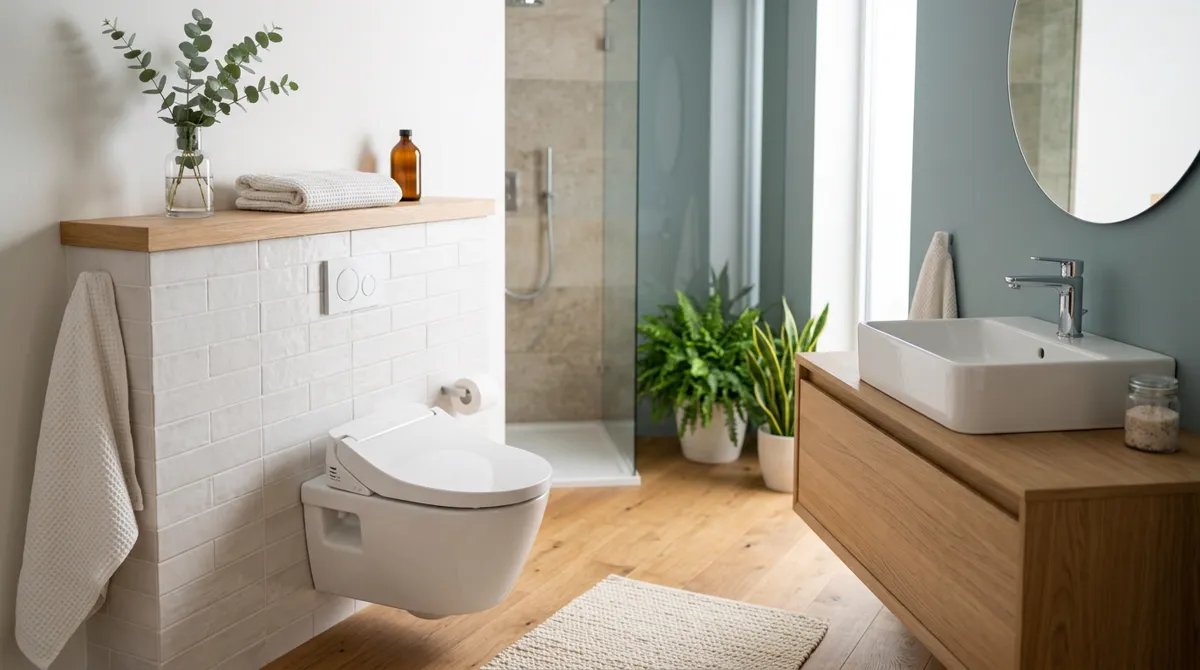
For most people, bidets are good for hemorrhoids and unlikely to cause them. Gentle, warm-water cleaning soothes inflamed tissue and is far less abrasive than wiping with dry paper, which can chafe and cause tiny cuts. The key is a low-pressure, lukewarm setting. High pressure or very hot water can irritate sensitive skin and make symptoms worse.
Hemorrhoids are swollen veins around the anus that flare with itching, soreness, and bleeding. During a flare-up, every wipe can feel like sandpaper. A bidet rinses the area clean with water instead of friction, which is why doctors at the Cleveland Clinic note bidets can be more comfortable for people with hemorrhoids and fissures.
Good news on the worry that bidets cause hemorrhoids: research doesn't support it. Studies found that people with hemorrhoids tend to reach for bidets for relief, not that bidets created the problem. The real risk is misuse, mainly cranking the pressure or temperature too high, which this guide shows you how to avoid.
See gentle warm-water bidet seats.
See our picks →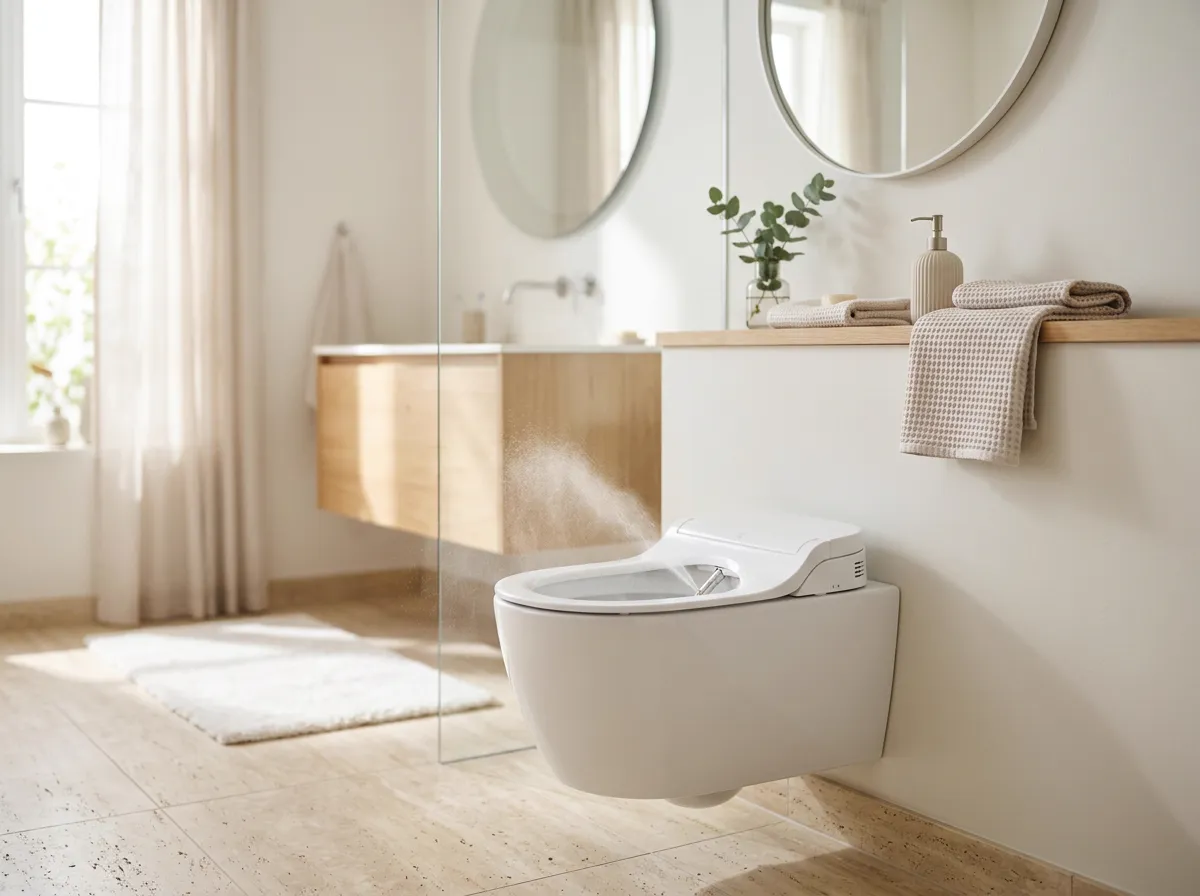
Why a bidet feels better than toilet paper during a flare-up
Dry toilet paper drags across already-swollen, tender tissue. The Cleveland Clinic notes that wiping can cause chafing and tiny cuts, which a bidet simply washes away. Instead of rubbing, a bidet rinses the area with a gentle stream of water. That means no scraping over irritated veins and a cleaner result with less effort. For anyone mid-flare-up, taking wiping out of the equation can be a real relief, and cleaner skin also helps cut down on itching.
How warm water actually soothes hemorrhoids
Warm water does more than clean. It can relax the muscles around the anus and improve blood flow to the area, which is the same idea behind a sitz bath (sitting in a few inches of warm water). Healthline points to a 2011 study finding that low-to-medium warm-water pressure relieved pressure on the anus about as well as a traditional warm sitz bath. So a quick warm rinse can mimic a soothing soak, right at the toilet, in seconds.
Can a bidet cause hemorrhoids? What the research says
This is the most common fear, and the evidence is reassuring. A large one-year follow-up survey found no good evidence that normal bidet use causes hemorrhoids. Earlier links were chalked up to reverse causation, meaning people who already had hemorrhoids were simply more likely to use a bidet for comfort. Used the right way, a bidet is a gentle cleaning tool, not a cause of swollen veins.
When a bidet CAN irritate: pressure and temperature
The benefits flip to risks when settings are too aggressive. A high-pressure blast can pound on swollen veins, push against tissue, and strip the natural oils that protect anal skin, making soreness worse. Very hot water is harsh on inflamed, delicate tissue. The Cleveland Clinic also cautions about water heaters malfunctioning and delivering scalding water. The fix is simple: keep pressure low and temperature lukewarm, never hot.
How to use a bidet safely with hemorrhoids
Start with the lowest pressure setting and nudge it up only to a gentle, comfortable stream. Use lukewarm water, not hot. Aim the stream front to back, the same direction you'd wipe, to avoid spreading bacteria, and remember a bidet cleans the outside of your body, not the inside. Don't over-rinse; a short clean is enough. Pat dry gently with a soft towel or air-dry rather than scrubbing with paper.
Hygiene benefits beyond comfort
Better cleaning is good for hemorrhoid recovery, not just comfort. Leftover residue and the constant rubbing of dry paper can feed itching and irritation, and broken skin from over-wiping invites infection. Rinsing with water leaves the area cleaner with less friction. The Cleveland Clinic considers a properly used bidet sanitary, which helps keep tender, healing skin clean while it recovers.
Tips & warnings
- Always start at the lowest pressure and only raise it to a soft, comfortable stream, never a hard jet.
- Keep the water lukewarm; skip hot settings, which can irritate already-inflamed tissue.
- Direct the spray front to back and remember a bidet cleans the outside only.
- Pat dry gently or air-dry instead of scrubbing with paper to avoid undoing the benefit.
Frequently asked questions
Are bidets good for hemorrhoids?
Yes, for most people. Gentle warm-water cleaning soothes inflamed tissue, improves blood flow, and avoids the chafing and tiny cuts that dry toilet paper can cause. Doctors at the Cleveland Clinic note bidets can be more comfortable if you have hemorrhoids. Just keep the pressure low and the water lukewarm.
Can a bidet cause hemorrhoids?
There's no good evidence that normal bidet use causes hemorrhoids. A one-year follow-up survey found earlier links were due to reverse causation, meaning people who already had hemorrhoids were more likely to use a bidet. The main risk is misuse, mostly using too much pressure or water that's too hot.
What water pressure and temperature should I use?
Start at the lowest pressure and raise it only to a gentle, comfortable stream. Use lukewarm water, never hot. High pressure can pound swollen veins and strip protective skin oils, and very hot water irritates delicate, inflamed tissue, both of which can make symptoms worse.
Is a bidet as good as a sitz bath for hemorrhoids?
It can be similar. Healthline cites a 2011 study showing low-to-medium warm-water pressure relieved anal pressure about as well as a traditional warm sitz bath. A bidet offers that soothing warm-water effect quickly and conveniently, though it doesn't fully replace a longer soak if your doctor recommends one.
Should I still see a doctor?
Yes. This guide is general information, not medical advice. A bidet can ease symptoms, but it isn't a cure. See a doctor for persistent pain, bleeding, a lump, or symptoms that don't improve within about a week, since those can signal hemorrhoids that need treatment or another condition entirely.