
Are Bidets Safe During Pregnancy?
Yes, bidets are generally safe to use during pregnancy. Used correctly with clean, warm water at low-to-moderate pressure and a front-to-back stream, a bidet poses no known risk to you or your baby. It can also ease pregnancy hemorrhoids and make staying clean easier as your belly grows. This is general information, not medical advice.
Pregnancy brings two very common bathroom complaints: hemorrhoids and a belly that makes reaching and wiping harder. A bidet helps with both by replacing rough toilet paper with a gentle rinse, so you clean thoroughly without straining or scrubbing irritated skin.
The keys to safe use are simple: keep the nozzle clean, use warm (not hot) water, start on the lowest pressure, and aim the stream from front to back. If you ever notice itching, burning, unusual discharge, or pain, stop and check in with your doctor or midwife.
See our top bidet seats.
See our picks →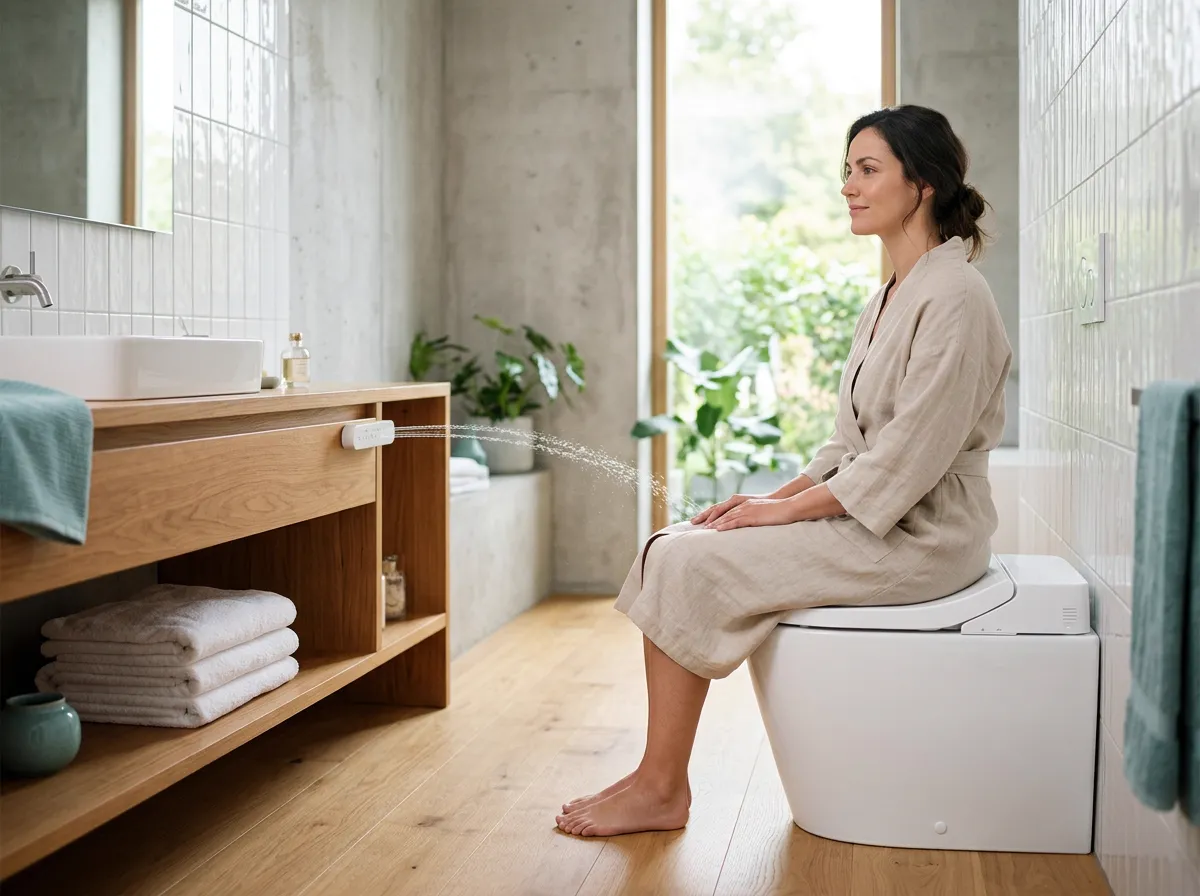
Are bidets safe during pregnancy?
For most people, yes. The largest study on this question, published in Obstetrics & Gynecology in 2013, followed nearly 1,300 women in Tokyo and found no link between normal bidet use during pregnancy and either preterm birth or bacterial vaginosis (BV). In other words, routine bidet use did not raise these risks. Many doctors and midwives are comfortable with patients using a bidet while pregnant, especially for hemorrhoid relief and easier cleaning. As always, if you have a high-risk pregnancy or a specific concern, ask your own provider first.
How a bidet helps with pregnancy hemorrhoids
Hemorrhoids are extremely common in pregnancy because the growing baby puts extra pressure on the veins in your lower pelvis, and constipation adds strain. A warm-water bidet rinse soothes that swollen, tender tissue much like a sitz bath does, while avoiding the friction of dry toilet paper that can make hemorrhoids worse. Gentle warm water cleans the area without scrubbing, which can reduce burning and irritation. It won't cure hemorrhoids, but it can make daily life a lot more comfortable.
Easier cleaning as your belly grows
In the third trimester, twisting and reaching to wipe gets genuinely hard. A bidet does the work for you, so you can stay clean without bending, straining, or overreaching. Because it rinses instead of wipes, it's also gentler on skin that's already sensitive from extra blood flow and pressure down below. Many women find the bidet is one of the small comforts that makes late pregnancy more manageable.
How to use a bidet safely while pregnant
A few simple habits keep things safe. Use clean, warm (not hot) water. Start on the lowest pressure setting and only increase it if you need to, since a strong jet can aggravate sensitive tissue. Aim the stream from front to back, the same direction you'd wipe, so you don't move bacteria from the rear toward the vagina or urethra. Avoid pointing high-pressure water directly into the vagina. Pat dry with clean paper or a clean towel afterward, rather than leaving the area damp.
Keeping it clean and avoiding infections
Good hygiene is what makes a bidet safe. Clean the nozzle regularly and wipe down the seat so bacteria don't build up. Misuse, not the bidet itself, is what causes problems: a back-to-front spray, water pressure that's too high, overuse, or a dirty nozzle can disturb the vaginal balance and lead to itching, irritation, BV, or a urinary tract infection (UTI). Pregnancy already raises your odds of UTIs, so stick to gentle, front-to-back, clean-nozzle use and don't over-rinse.
When to call your doctor or midwife
Stop using the bidet and contact your provider if you notice burning, persistent itching, unusual or strong-smelling discharge, pain when you pee, or any vaginal bleeding. These can be signs of an infection or another issue that needs attention, none of which should be self-treated during pregnancy. This guide is general information and isn't a substitute for advice from a healthcare professional who knows your history.
Tips & warnings
- Begin on the lowest pressure setting and turn it up only if needed; gentle wins, especially with hemorrhoids.
- Always direct the spray front to back to avoid moving bacteria toward the vagina or urethra.
- Use warm, never hot, water and pat (don't rub) the area dry with clean paper or a clean towel.
- Wipe the nozzle and seat down regularly so bacteria don't build up between uses.

Frequently asked questions
Can using a bidet cause a miscarriage or preterm birth?
There's no evidence that normal bidet use does this. A 2013 study in Obstetrics & Gynecology found no link between routine bidet use during pregnancy and preterm birth. Used gently and correctly, a bidet is not known to harm your pregnancy. If you have specific concerns or a high-risk pregnancy, talk with your provider.
Will a bidet really help my pregnancy hemorrhoids?
It can ease the discomfort. A warm-water rinse soothes swollen, tender tissue much like a sitz bath and avoids the rough friction of toilet paper. It doesn't cure hemorrhoids, but many pregnant women find it makes them far more bearable. For severe or bleeding hemorrhoids, check with your doctor.
Is the water pressure dangerous for the baby?
No. The water only touches the outside of your body, not the baby. The thing to watch is comfort and direction: keep the pressure low to moderate and aim front to back so you don't irritate sensitive tissue or push water into the vagina. Start on the lowest setting.
Can a bidet give me an infection while pregnant?
Used properly, it shouldn't. Problems come from misuse: a dirty nozzle, back-to-front spraying, very high pressure, or overuse can disturb your natural balance and lead to BV or a UTI, which pregnancy already makes more likely. Keep the nozzle clean, spray front to back, and don't over-rinse, and you greatly lower that risk.
Warm or cold water during pregnancy?
Warm (lukewarm) water is best. It's more soothing for hemorrhoids and irritated skin than cold water, and it shouldn't be hot. A gentle, comfortable temperature is the goal, never anything that feels uncomfortably warm against sensitive tissue.