
Bidets for Sensitive Skin & IBS
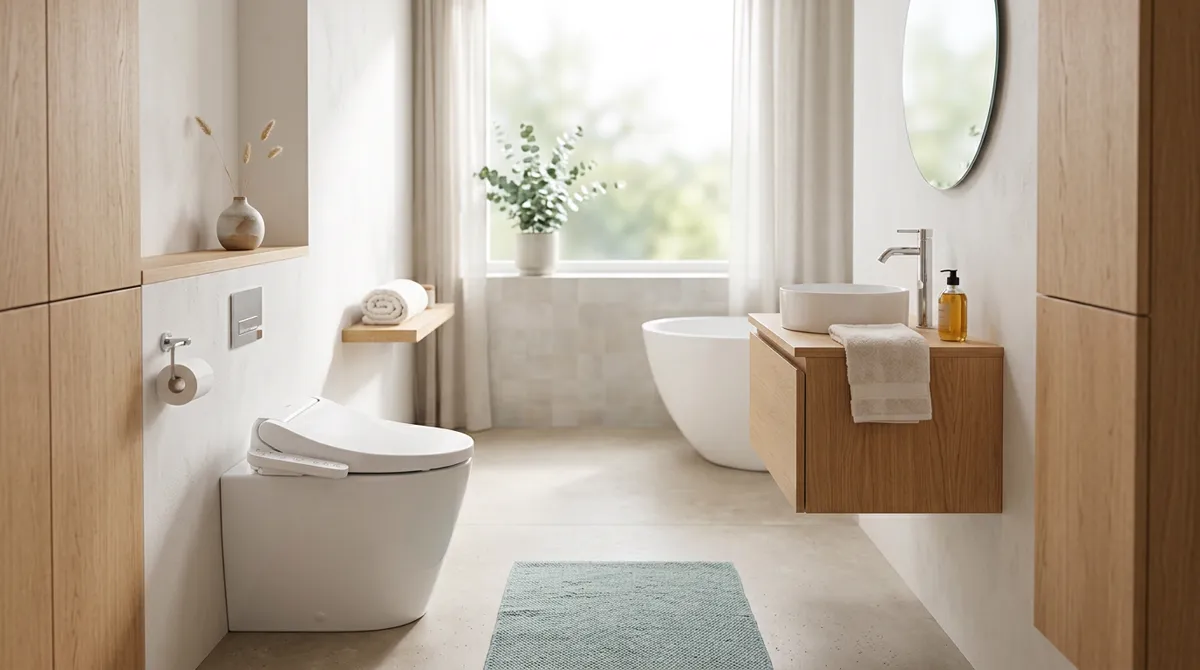
For sensitive skin, eczema or psoriasis around the bottom, and IBS with frequent bowel movements, a bidet is usually gentler than toilet paper. Warm water rinses clean without the rubbing that inflames thin perianal skin, so it cleans more thoroughly while causing less friction and irritation. Use warm (not hot) water, pat dry, and skip fragranced products.
The skin around the anus is thin and easily irritated. Every dry wipe drags across it, and the more often you go, the more that adds up. People with IBS, loose or frequent stools, or flare-prone skin conditions often end up raw, itchy, or stinging by the end of the day simply from wiping. A bidet swaps repeated rubbing for a soft rinse of water.
This guide explains why water tends to be kinder to reactive skin, how to use a bidet so it helps instead of hurts, and the one habit (overdoing it) that can backfire. It is general information, not medical advice. If you have a persistent rash, bleeding, or a diagnosed condition, talk to your doctor or dermatologist.
See our gentlest bidet seats.
See our picks →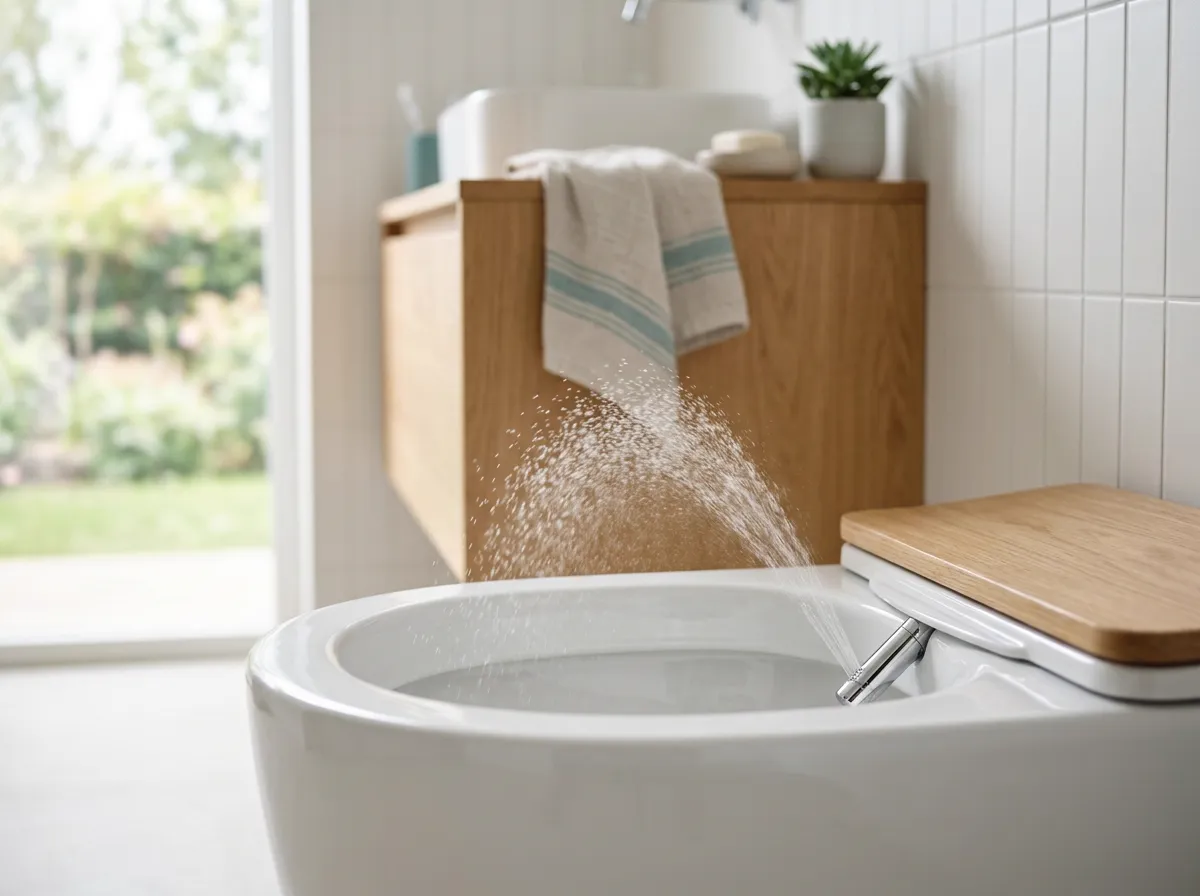
Why Water Is Gentler Than Repeated Wiping
Toilet paper cleans by friction. You press and drag it across delicate skin, and with scented or rough paper you also rub in dyes and additives. On already-sensitive skin that drag can cause tiny microtears, redness, and a stripped, raw feeling. A bidet cleans with a stream of water instead, so the cleaning happens with little to no rubbing. Water also lifts away residue more completely than dry paper, which can leave fibers and traces behind that keep irritating the skin. For most people with reactive bottoms, less friction plus a cleaner rinse equals less daily irritation.
The Dermatology Case for Bidets
This is not just marketing. In a 2023 editorial in the International Journal of Women's Dermatology, dermatologists Yoseph Dalia, Hebah Al Khateeb, and Tejesh Patel made the case that gently cleansing with water can ease the downsides of dry toilet paper and wet wipes for several perianal skin conditions, including eczema, psoriasis, contact dermatitis, lichen sclerosus, and hidradenitis suppurativa. The core idea: dry paper and additive-filled wipes can worsen itching and burning on sensitive skin, while a soft water rinse avoids that. They also noted bidets help people with limited mobility clean independently.
Sensitive Skin, Eczema, and Psoriasis Around the Bottom
If you have eczema or psoriasis that flares in the perianal area, the goal is to clean without triggering the skin barrier. Dry wiping and fragranced wipes are common irritants that can set off itching, cracking, and flares. A warm-water rinse removes residue while you barely touch the skin. Keep it simple: warm water only, no scented soaps or cleansers in that area, and a soft pat dry. If your skin is very reactive, use a gentle (not high-pressure) water setting and a short rinse rather than a long, hard blast.
Bidets and IBS or Frequent Bowel Movements
IBS and other conditions that mean loose stools or many trips to the bathroom multiply the wiping problem. Each visit adds more friction, and by evening the skin can be sore, stinging, or raw. A bidet breaks that cycle: a quick warm-water rinse cleans more thoroughly with far less rubbing, so the skin gets a break even on high-frequency days. Many bidet seats also have a warm-air dryer, which lets you avoid wiping entirely. Note: a bidet soothes the cleanup, it does not treat IBS itself, so keep working with your doctor on the underlying cause.
How to Use a Bidet for Sensitive Skin
Use warm water, never hot. Hot water can dry out and further irritate already-inflamed skin. Start with a low or medium pressure setting and a comfortable angle, then adjust. After rinsing, pat dry with a soft towel or a few sheets of unscented paper, or use the air dryer if your seat has one. Do not rub. Skip fragranced or antibacterial soaps, wet wipes, and powders in the area. Plain warm water is enough for routine cleaning, and it is the least likely thing to provoke a flare.
The One Thing to Avoid: Overdoing It
More is not better. Using the bidet too often, for too long, at too-high pressure, or with water that is too warm can wash away the skin's natural oils and leave it dry, itchy, and irritated, the very problem you were trying to fix. Research has linked excessive bidet use to perianal dermatitis in a meaningful share of users. The fix is moderation: a short, gentle, warm rinse after a bowel movement, then a gentle dry. If your skin gets worse with bidet use, dial back the time, temperature, and pressure, and check with a clinician.
Tips & warnings
- Warm, not hot: hot water strips natural oils and can worsen irritation on reactive skin.
- Pat, never rub: dab dry with a soft towel or use the air dryer to skip wiping entirely.
- Go fragrance-free: avoid scented soaps, wet wipes, and powders in the perianal area.
- Keep rinses short and low-pressure; overdoing it can dry out skin and cause its own irritation.

Frequently asked questions
Is a bidet really better than toilet paper for sensitive skin?
For most people with sensitive or flare-prone skin, yes. Water cleans with little rubbing, while toilet paper cleans by friction and can leave residue and additives behind. Dermatologists have noted that gentle water cleansing can ease the irritation that dry paper and wet wipes cause on delicate perianal skin. Use warm water, pat dry, and skip fragrance.
Can a bidet help with eczema or psoriasis around the anus?
It can make cleaning gentler. A 2023 dermatology editorial pointed to bidets as a way to clean conditions like eczema, psoriasis, and contact dermatitis without the friction and irritants of dry paper or scented wipes. A bidet does not cure these conditions, so keep following your dermatologist's treatment plan, but warm-water cleansing is often kinder to flare-prone skin.
How does a bidet help if I have IBS or frequent bowel movements?
Frequent trips mean more wiping, and more wiping means more friction on skin that is already sore. A warm-water rinse cleans thoroughly with far less rubbing, giving the skin a break even on bad days. Many seats also include a warm-air dryer so you can skip wiping. It soothes the cleanup but does not treat IBS itself.
Can using a bidet ever make irritation worse?
Yes, if you overdo it. Using it too often, too long, at high pressure, or with water that is too hot can strip the skin's natural oils and cause dryness, itching, or dermatitis. Studies have tied excessive use to perianal dermatitis in a notable share of users. Keep rinses short, warm, and low-pressure, and ease off if your skin reacts.
What water temperature and settings should I use for sensitive skin?
Start with warm (body-temperature) water, never hot, on a low or medium pressure setting. Adjust the angle and pressure until it is comfortable, and keep the rinse brief. Afterward, pat dry gently or use the air dryer. Avoid high-pressure blasts and very warm water, which can irritate already-sensitive skin.