
How long do bidet seats last?
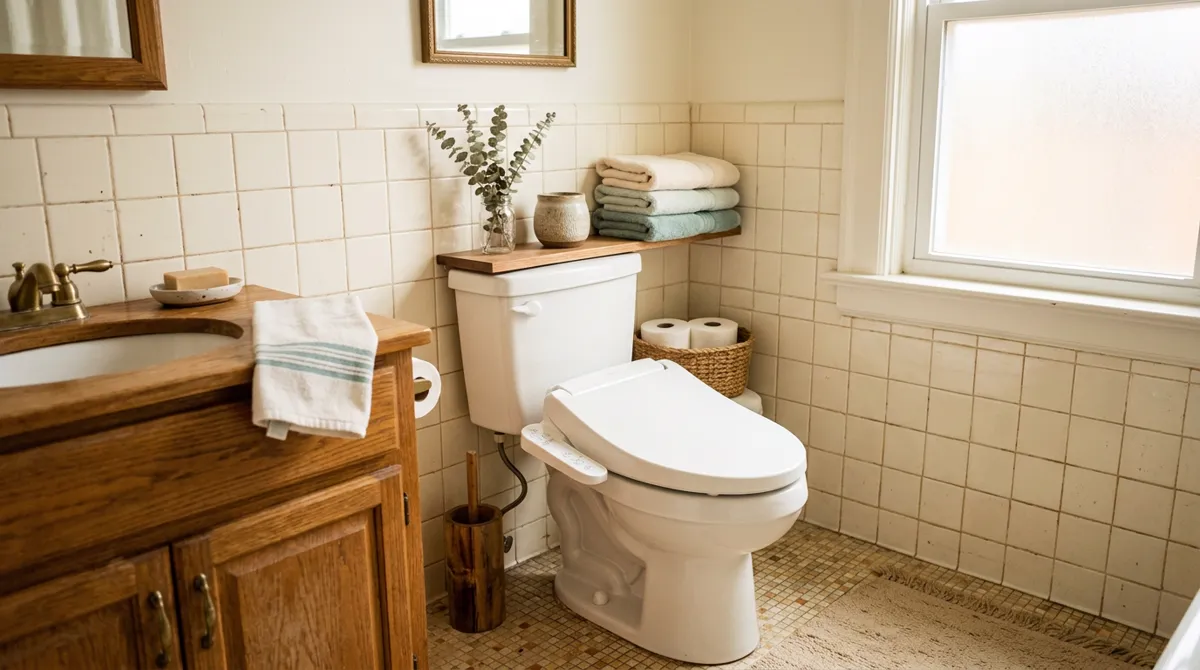
It's a fair question to ask before you spend $150 to $600 on something that lives on your toilet: how long is this actually going to last? A bidet seat isn't a toilet — a toilet is a lump of ceramic that lasts for decades. A bidet seat, especially an electric one, is closer to a small appliance bolted to that ceramic: it has a pump, a heater, electronics, a moving nozzle, and hoses, and every one of those is a thing that can eventually stop working.
The honest headline is that there's no single number, and anyone who gives you one is rounding hard. A well-built electric bidet seat, kept clean, commonly lasts on the order of a decade. A cheap, no-name electric seat can quit within two or three years. Non-electric seats and attachments — which have far fewer parts to fail — tend to outlast both. Where your seat lands depends less on luck than on three things you can actually see before you buy: build quality, your water, and whether you'll bother to maintain it.
This guide gives you the realistic ranges, explains why the number is fuzzy, walks through what tends to break first and what the warranty is quietly telling you, and — most usefully — covers the one habit that does more than anything else to extend a bidet seat's life. The goal isn't to scare you off; it's to help you buy the seat that'll still be working in year eight, and to keep it there.
Want a seat built to last? See the picks.
See our picks →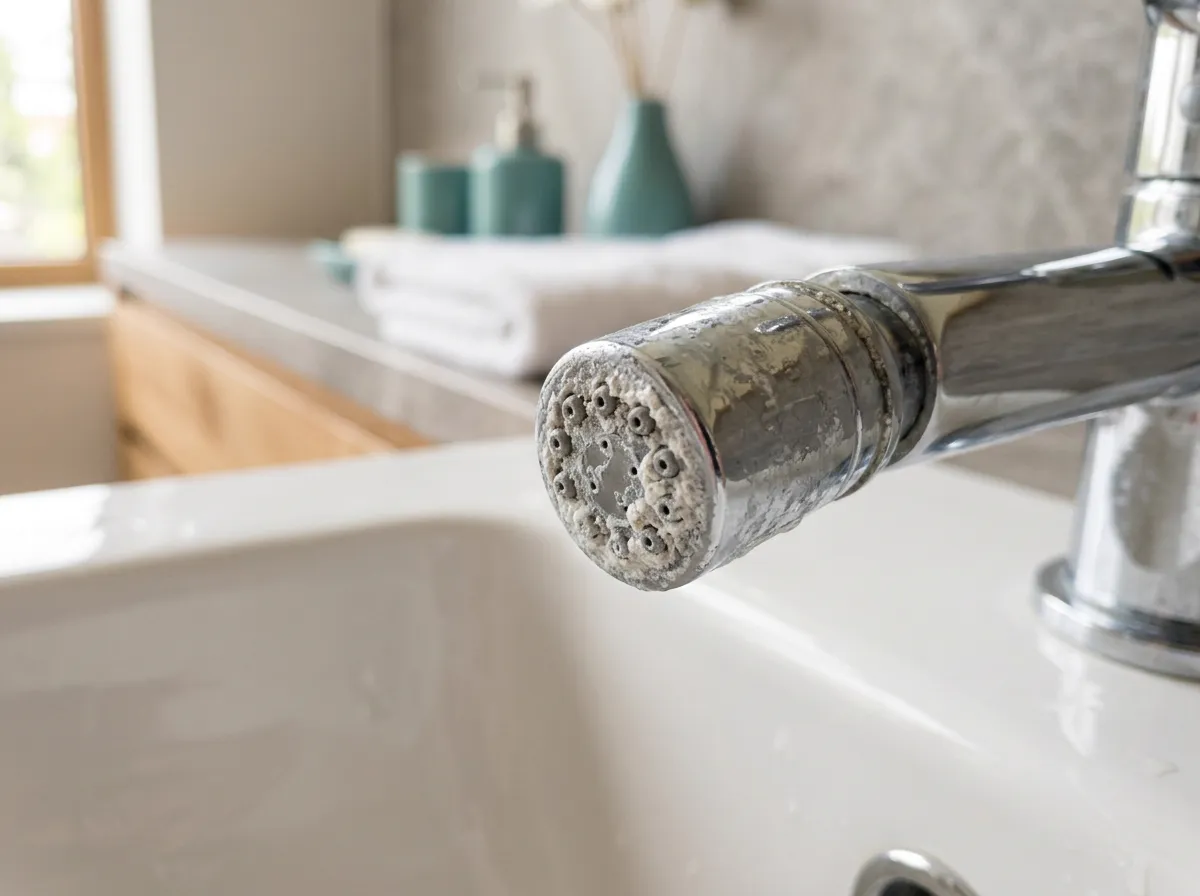
The honest answer: how long a bidet seat lasts
Pulling the ranges together: a good electric bidet seat can last for a decade, while a bad one may stop working within two to three years — that spread, from one durable-model estimate, is the whole story in a sentence. Non-electric bidet seats and attachments generally last longer than electric ones because there's simply less to fail; durable attachments can give you many years of use, some estimates stretching toward a decade of their own. Handheld sprayers land in the middle — a good one lasts more than five years, a cheap one can be dead in months. The takeaway isn't a magic number; it's that the range is enormous, and which end you land on is largely decided at the point of purchase.
Why the number is fuzzy
Bidet seats haven't been in most American bathrooms long enough, at scale, for anyone to have solid decade-plus failure data across brands — so most published lifespans are informed estimates, not tested averages. On top of that, "a bidet seat" covers everything from a $40 cold-water attachment with no moving electronics to a $600 tankless smart seat with a control board, a pump, and a heater. Those two things have almost nothing in common mechanically, so lumping them under one lifespan number is meaningless. When you see a confident figure quoted online, read it as "a typical well-made version of this specific type, treated reasonably" — not a guarantee stamped on your particular unit.
Electric vs non-electric: fewer parts, longer life
The single biggest predictor of longevity is how much machine is in the seat. A non-electric bidet — an attachment or a cold-water seat — is essentially a valve, a nozzle, and some hoses. There's no heater to burn out, no pump to seize, no circuit board to fail, no motor to wear. That's why non-electric units tend to quietly outlast their electric cousins: the parts most likely to die simply aren't there. An electric seat buys you warm water, a heated seat, a dryer, and oscillating wash — genuinely nice things — but each of those features is another component with a service life. This is the durability trade-off behind our fuller comparison of a bidet seat versus an attachment: you're paying in both dollars and long-term failure points for the powered features.
What actually wears out first
On an electric seat, two failure points come up again and again: the internal heater can burn out, and the nozzle can stop spraying — usually from mineral clog rather than a broken part. Beyond those, the pump or the electronic control board are the expensive things that end a seat's life, while hoses, the T-valve, and rubber seals are the cheap things that spring leaks. There's a useful pattern here: the parts most likely to fail first (nozzle, hoses, seals) are usually the cheapest and most repairable, and the parts that are expensive to fix (heater, pump, board) tend to fail later, if at all. A nozzle that won't spray or a seat that suddenly won't heat is often a maintenance or minor-part issue, not a dead unit — worth diagnosing before you write the whole thing off.
What the warranty is really telling you
A manufacturer's warranty is the clearest signal you get about expected service life, because the company is putting its own money behind it. Standard coverage in this category is short: TOTO warrants its WASHLET seats for one year, and only recently extended its premium S7 and S7A models to a two-year residential warranty (still just one year for commercial use). Other brands go longer — Bio Bidet's warranty page lists tiered coverage running from one up to five years depending on the model. A short warranty isn't a red flag by itself; one year is the industry baseline, and it covers exactly the parts you'd worry about — the electronics, sensors, and remote. Read a longer warranty as a brand betting on its own build quality, and always register the seat at purchase, because claims typically require proof of purchase and registration.
The biggest lever you control: hard water and maintenance
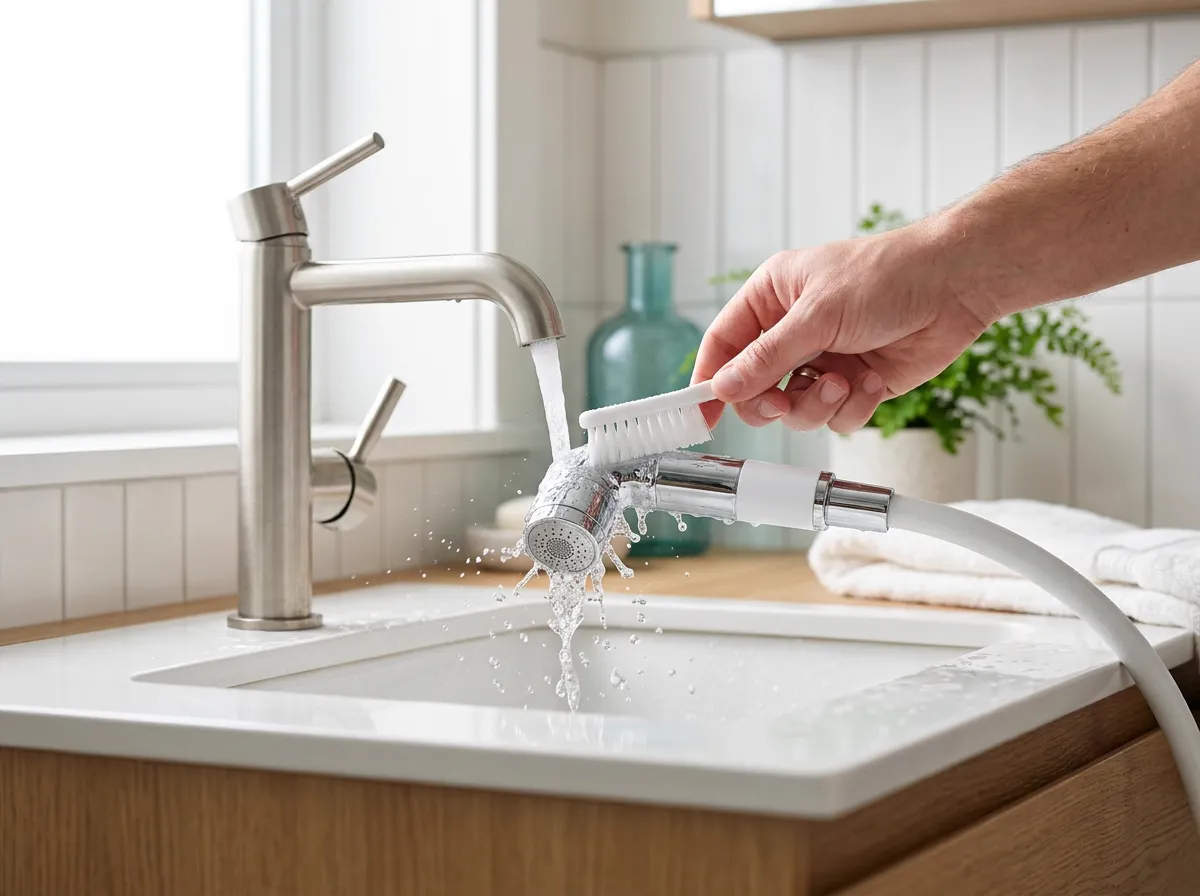
If build quality is decided at purchase, maintenance is decided every week you own the seat — and it matters more than almost anything else. The recurring killer is mineral buildup: hard water leaves scale that clogs the nozzle (the exact failure that makes a seat "stop spraying") and coats heating surfaces. Most seats have a self-cleaning nozzle cycle and many have a removable nozzle tip; using them, plus an occasional descale, prevents the slow clog that ends a lot of units prematurely. If your water is genuinely hard, an inline water filter on the supply line is cheap insurance for the heater and valves. None of this is exotic — it's the difference between the seat that dies at year three and the same seat still running at year ten. Our step-by-step on cleaning a bidet nozzle covers the routine.
Repair or replace? How to decide
When something does fail, don't reflexively junk the seat. If the broken part is cheap and accessible — a hose, the T-valve, a nozzle tip, a rubber seal — a repair is almost always worth it, and often something you can do yourself. The calculus flips when a heater, pump, or main control board fails out of warranty: those repairs, if they're even offered, can approach the price of a new seat, and bidet-seat prices have come down enough that replacement frequently wins. The practical rule: inside the warranty window, contact the manufacturer first (that's what registration bought you); outside it, price the specific repair against a comparable new seat before deciding. A five-year-old seat with a dead board is usually telling you it's time.
How to buy for longevity
If you want the seat that's still working in year eight, weight a few things at purchase. Favor an established brand with real US support and available spare parts — an orphaned no-name seat is unrepairable the day a part fails, no matter how cheap it was. Treat warranty length as a durability signal and register whatever you buy. If you don't truly need warm water and a dryer, a simpler seat (or a non-electric one) has fewer things to break and will likely last longer for less money. And if your water is hard, budget for a filter and commit to the nozzle-cleaning routine from day one. Spending a little more up front on a well-supported, well-built seat is usually cheaper per year than replacing a bargain unit twice.
Tips & warnings
- Register the seat the day you install it. Warranty claims almost always require proof of purchase and registration — the short warranty only helps if you can actually use it.
- Mineral buildup is the number-one killer. Run the self-clean nozzle cycle regularly, wipe or remove the nozzle tip, and descale periodically — especially in hard-water areas.
- If your water is hard, add an inline filter on the supply line. It's cheap insurance for the heater and valves, the expensive parts to replace.
- Don't panic at a one-year warranty. One year is the category standard and it covers the electronics; a two-to-five-year warranty is a brand signaling confidence, not a promise your seat dies at the deadline.
- Match the machine to your needs. Fewer powered features (or a non-electric seat) means fewer things to fail — if you won't miss the dryer, you're buying longer life for less money.
- Out of warranty, price the repair before replacing. A hose, T-valve, or nozzle is a cheap fix worth doing; a dead heater or control board usually isn't.
Frequently asked questions
How long do bidet seats last before they break?
There's no single number, but the realistic ranges are clear. A well-built electric bidet seat, kept clean, commonly lasts around a decade, while a cheap no-name electric seat can stop working within two to three years. Non-electric seats and attachments tend to last longer than electric ones because they have far fewer parts to fail — no heater, pump, or circuit board. Where your seat lands depends mostly on three things you can influence: how well it was built (favor an established brand), how hard your water is, and whether you keep the nozzle clean. Manufacturer warranties in this category run from about one year (TOTO's standard) up to five years on some models, which gives you a rough read on how long the maker expects the seat to hold up.
Do electric bidet seats last as long as non-electric ones?
Usually not, and the reason is simple: a non-electric bidet is essentially a valve, a nozzle, and some hoses, while an electric seat adds a heater, a pump, electronics, and a motorized nozzle — every one of which is another part that can eventually fail. Fewer components means fewer failure points, so non-electric seats and attachments tend to quietly outlast their electric cousins. That's not a reason to avoid electric seats — warm water, a heated seat, and an oscillating wash are real benefits — just an honest trade-off to factor in. If maximum lifespan for minimum money is your priority and you don't need the powered features, a non-electric seat is the durable pick.
What part of a bidet seat usually breaks first?
On an electric seat, the two most common failures are the nozzle not spraying — most often from mineral clog rather than a broken part — and the internal heater burning out. Beyond those, hoses, the T-valve, and rubber seals are the cheap components that tend to spring leaks, while the pump and the electronic control board are the expensive parts that can end a seat's life, usually later on. The encouraging pattern is that the parts most likely to fail first are typically the cheapest and most repairable. A nozzle that won't spray or a seat that stops heating is often a maintenance or minor-part issue — worth diagnosing before you assume the whole unit is dead.
Why do bidet seats only have a one-year warranty?
One year is simply the industry baseline for this category — TOTO, for example, warrants its WASHLET seats for one year as standard, and only recently extended its premium S7 and S7A models to two years for residential use. A short warranty isn't necessarily a sign of a fragile product; it covers exactly the parts you'd worry about, including the electronics, sensors, and remote. Some brands go further — Bio Bidet's warranty tiers run up to five years on certain models — and a longer warranty is best read as the manufacturer betting on its own build quality. Whatever the length, register your seat at purchase, because warranty claims almost always require proof of purchase and product registration.
Does hard water shorten a bidet seat's lifespan?
It's one of the biggest factors you control. Hard water leaves mineral scale that clogs the nozzle — the exact failure that makes a seat "stop spraying" — and builds up on heating surfaces over time. The good news is that this is largely preventable: use the self-cleaning nozzle cycle, wipe or remove the nozzle tip regularly, and descale periodically. In genuinely hard-water areas, adding an inline water filter to the supply line is cheap insurance for the heater and valves, which are the expensive parts to replace. Consistent maintenance is often the difference between a seat that fails at year three and the same seat still running at year ten.
Is it worth repairing a bidet seat or should I just replace it?
It depends entirely on which part failed. If the broken component is cheap and accessible — a hose, the T-valve, a nozzle tip, or a rubber seal — a repair is almost always worth it and is often a DIY job. The math changes when a heater, pump, or main control board fails out of warranty: those repairs can approach the cost of a new seat, and because bidet-seat prices have fallen, replacement often makes more sense. Inside the warranty window, contact the manufacturer first — that's what registration is for. Outside it, get a price on the specific repair and compare it against a comparable new seat before deciding.
How can I make my bidet seat last longer?
Maintenance does most of the work. Keep the nozzle clean — run the self-clean cycle, wipe the tip, and descale on a schedule if your water is hard — since mineral clog is the most common thing that kills a seat early. Add an inline water filter in hard-water areas to protect the heater and valves. Buy from an established brand with available spare parts so a minor failure is fixable rather than fatal, and register the seat so the warranty is actually usable. Finally, don't buy more machine than you'll use: fewer powered features means fewer parts that can fail. Those habits, more than luck, decide whether your seat lands at the two-year end of the range or the ten-year end.
Sources
- Better Home Pursuits — How Long Do Bidets Last?
- TOTO USA — New Extended Warranty for WASHLET S7 & S7A
- Bio Bidet — Warranty (tiered by model)