
Bidet not heating? Fix it
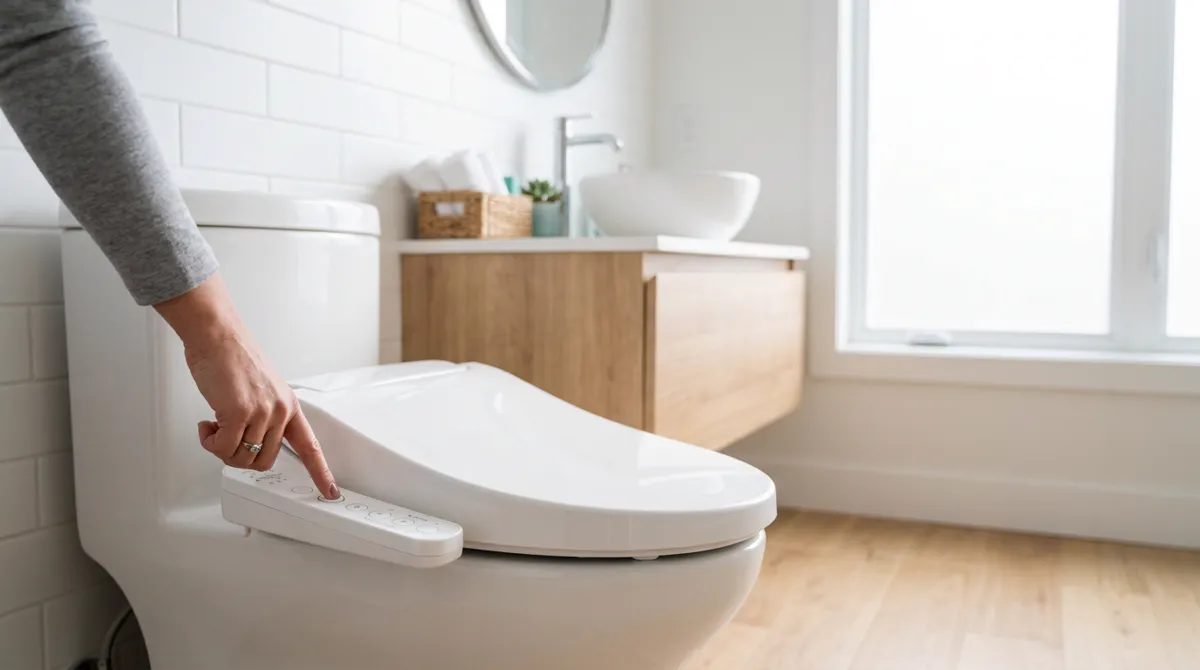
A bidet seat that's gone cold feels like an expensive failure, and most of the time it isn't one. The overwhelming majority of 'my bidet stopped heating' complaints trace to a setting, a power interruption, or a reservoir doing exactly what reservoirs do — not to a burned-out heating element. Before you start pricing replacements, it's worth working through the causes in order, because the first two account for most cases and cost nothing to fix.
One question narrows the field faster than anything else: is the heat intermittent, or is there no heat at all? BidetKing makes the useful point that if the water or seat heater were genuinely malfunctioning, you'd have no heat whatsoever rather than heat that comes and goes. So warmth that appears sometimes, or starts warm and fades, points at settings, capacity, or supply — all fixable. Total, consistent cold across every function is the pattern that suggests a real fault.
Work the checks below in that order. Eco mode is the single most common culprit and is frequently switched on by default from the factory, which catches out owners who don't know the feature exists. After that comes the reservoir question — where 'warm then suddenly cool' is normal behavior rather than a defect — then power, settings, leaks, and finally the small number of cases that are genuinely a dead unit.
Heater genuinely dead? See the seats we'd replace it with.
See our picks →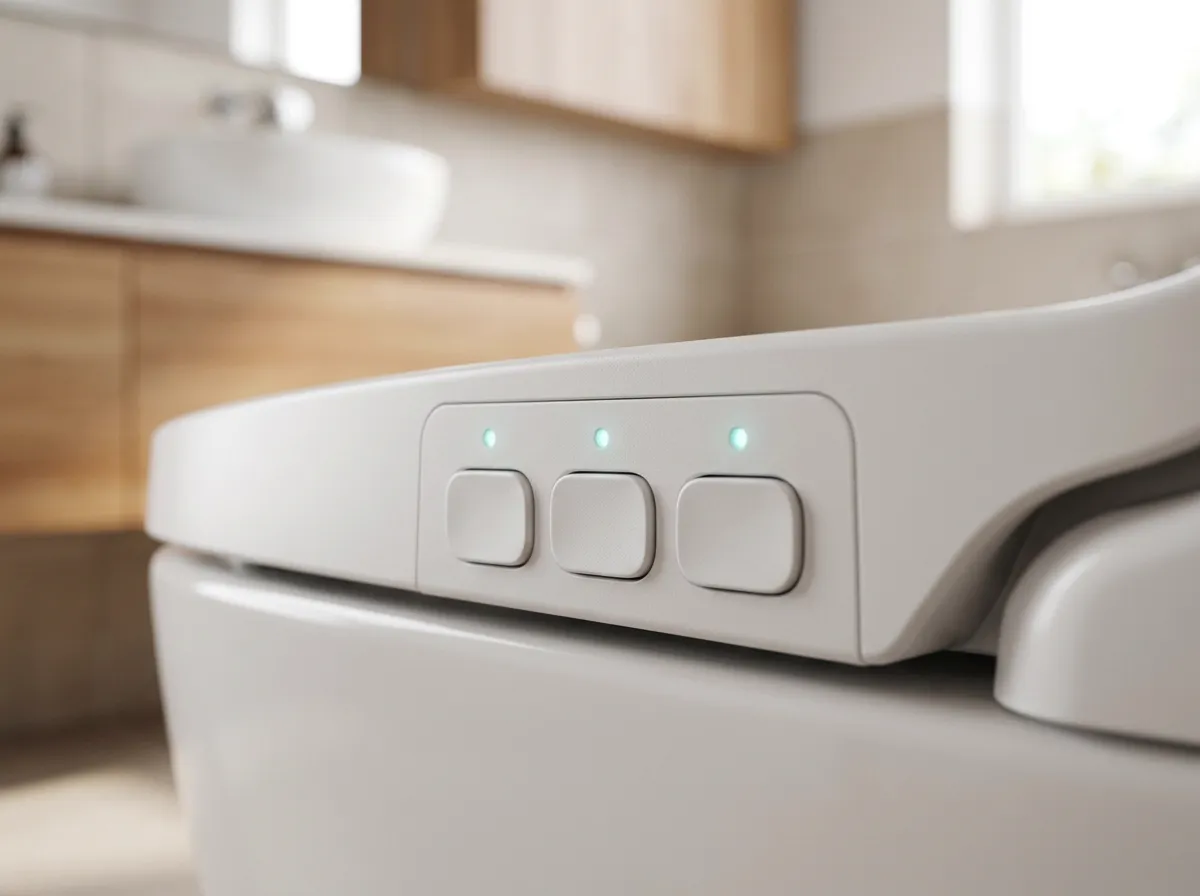
First, answer this: intermittent heat, or none at all?
This one question sorts the whole problem. BidetKing's troubleshooting guidance notes that if a bidet's water or seat heater were actually malfunctioning, there would be no heat at all rather than intermittent heat. So if the water is sometimes warm, or warm at the start and cool by the end, or the seat is warm but the water isn't, you're looking at a setting, a capacity limit, or a supply issue — every one of which is fixable at home and usually free. If nothing heats, ever, on any function, after you've confirmed power and settings, that's the profile of a genuine hardware fault. Establish which pattern you have before spending time on the rest, because it tells you whether you're troubleshooting or shopping.
Check 1: Eco or power-saving mode (the usual answer)
Start here, because this is the most common cause by a wide margin. BidetKing attributes the majority of intermittent water and seat heating cases to eco or power-saving modes, which deliberately lower the seat and water temperatures to reduce energy use. Two things make it a frequent surprise: it's often defaulted to On when the seat is first powered up, and plenty of owners don't know the feature exists at all. Find the Eco or Save button on the remote and cycle it until the indicator light is off, then check the seat's side-mounted control panel too — some models have separate eco settings for seat heating and water heating, so switching off one can leave the other still limiting temperature. If your seat lost heat after a power outage or a move, this is very likely your answer, since a reset can restore factory defaults.
Check 2: It's a reservoir seat and the tank ran out
If the water starts warm and turns cool partway through a wash, that's usually normal behavior, not a fault. Reservoir (tank) seats hold a limited amount of pre-heated water; once you've used it, the seat sprays incoming cold water until the tank reheats, which takes several minutes. Long washes, several people in a row, or a guest-heavy morning will all exhaust it. If this is the pattern, nothing is broken — you've simply found your seat's capacity. Waiting a few minutes between uses restores it. Worth knowing for the future: tankless seats heat on demand and don't run out mid-wash, which is one of the main reasons people upgrade. Our tankless-versus-reservoir comparison covers the difference in full.
Check 3: Power — the outlet or a tripped GFCI
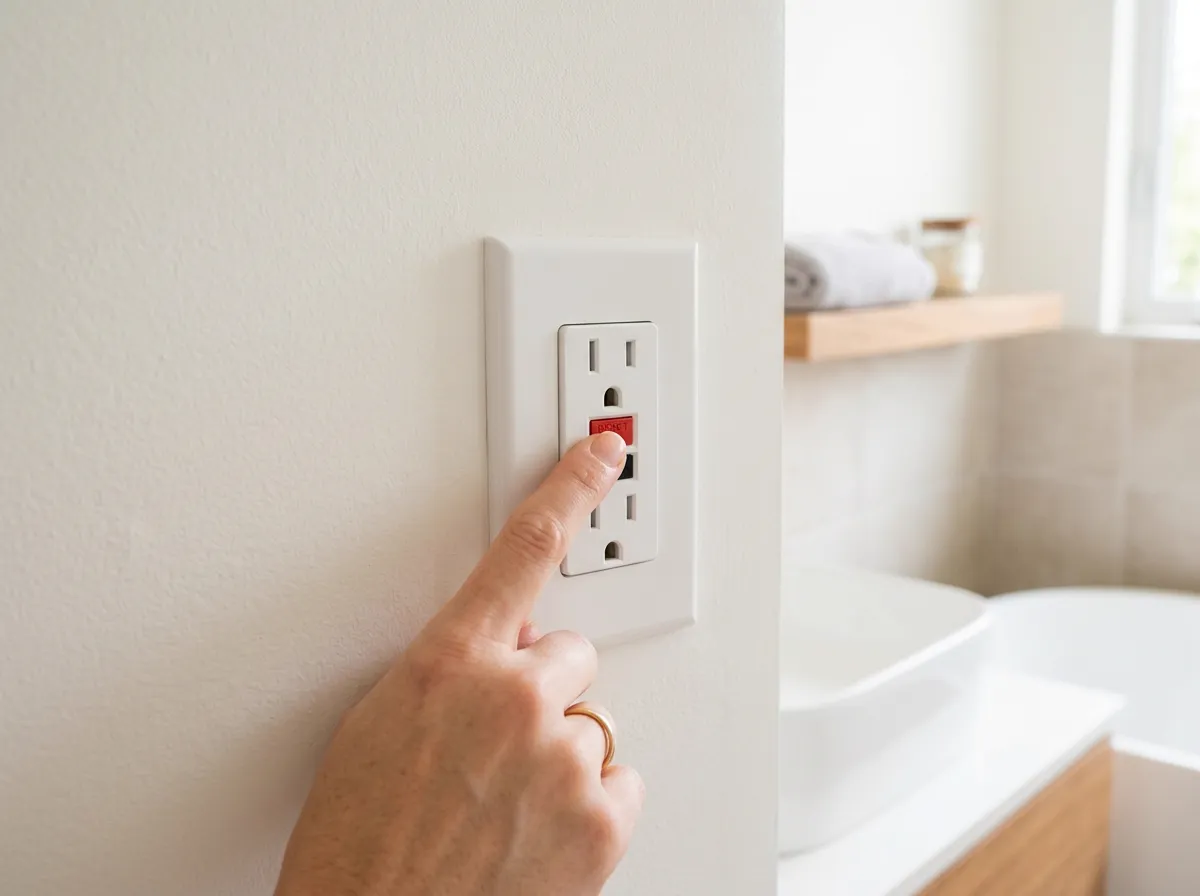
No power means no heat, and bathroom outlets trip more often than people realize. Bidet seats run on GFCI-protected grounded outlets, and a GFCI can trip from an unrelated appliance, a humid room, or a minor fault elsewhere on the circuit — sometimes without anyone noticing. Press the Reset button on the outlet itself, and check other bathroom outlets on the same circuit, since one GFCI often protects several. Confirm the outlet is actually live by plugging in something simple like a phone charger. Also check that the seat's own plug is fully seated, and that the seat's power switch, which some models have on the unit body, hasn't been knocked off during cleaning. If a GFCI trips again immediately after resetting, stop — that's a fault worth having an electrician look at rather than repeatedly resetting.
Check 4: Temperature settings and a power-cycle reset
Settings drift. Temperature levels get turned down by guests, by a remote sat on, or during cleaning, and on many seats water temperature and seat temperature are separate settings with separate buttons — so one can be at maximum while the other sits at off. Step both up explicitly rather than assuming. If the controls look right but nothing responds, try a power-cycle: unplug the seat, leave it off for several minutes, then plug it back in. That clears a surprising number of stuck control states. One caution: after a reset, re-check eco mode, since restoring defaults may switch it back on and put you right back where you started.
Check 5: A dripping nozzle is stealing your heat
This one is genuinely non-obvious and worth checking. BidetKing notes that water leaking or dripping from the nozzle area can prevent the water from heating, because the constant trickle keeps pulling heated water out and drawing cold water in — the tank never gets a chance to come up to temperature. So a slow drip you'd otherwise ignore can present as a heating problem rather than a leak. Look at the nozzle area when the seat is idle and watch for any drip or seep, and check the T-valve and hose connections while you're there. If you find one, our leak-fixing guide walks through the causes. Fixing the drip often restores the heat with no further work.
Check 6: Very cold incoming water, especially in winter
Sometimes the heater is working and the water still doesn't feel warm enough, and the season is the reason. Supply-line temperature drops noticeably in winter, so a seat that delivered comfortably warm water in September can feel merely lukewarm in February while doing exactly the same amount of work. Tankless seats are more exposed to this, because they heat water in a single pass and have less margin when the inlet is very cold; some also moderate flow to keep the temperature up, which can read as weaker pressure. If the change tracks the seasons rather than appearing suddenly, this is likely what you're seeing. Raising the temperature setting a notch and using a slightly lower pressure both help, since slower flow gives the heater more contact time.
When it's actually broken — and why not to open it
If you've confirmed eco mode is off, the outlet is live, settings are up, there's no drip, and the seat still produces no heat at all on any function, then the internal heater, thermostat, or control board has genuinely failed. That's the least common outcome and the one you shouldn't attempt yourself. A bidet seat is a sealed electrical appliance sitting inches from a water supply; opening the casing to test or replace a thermostat or heating element is a real shock hazard, and it voids virtually every manufacturer warranty. Check your warranty status first — better seats commonly carry multi-year coverage and this failure mode is squarely the kind of thing it exists for. Out of warranty on an inexpensive seat, replacement generally beats repair; on a premium seat, manufacturers often sell service and parts through their support lines, and asking for a quote costs nothing.
Tips & warnings
- Ask first whether the heat is intermittent or totally absent — intermittent points to settings or capacity, total absence to a real fault.
- Check eco/power-save mode before anything else. It's the most common cause and is often switched on by default from the factory.
- Some seats have separate eco settings for seat heating and water heating — turning off one can leave the other still limiting temperature.
- Warm water that turns cool mid-wash on a reservoir seat is normal capacity, not a defect. Wait a few minutes for the tank to reheat.
- A slow drip at the nozzle can masquerade as a heating fault by constantly pulling warm water out and cold water in.
- Never open the casing to test or replace a heating element or thermostat — it's a shock hazard next to water and voids the warranty. Check coverage instead.
Frequently asked questions
Why isn't my bidet seat heating the water anymore?
Most often it's eco or power-saving mode rather than a broken heater. BidetKing attributes the majority of intermittent water and seat heating cases to these modes, which deliberately lower water and seat temperatures to save energy — and they're frequently switched on by default when a seat is first powered up, so many owners never realize the feature exists. Cycle the Eco or Save button on the remote until its indicator is off, and check the seat's side control panel too, since some models run separate eco settings for the seat and the water. The next most likely causes are a reservoir tank that has simply been used up (normal, and it reheats in a few minutes), a tripped GFCI outlet cutting power, temperature settings that got turned down, or a dripping nozzle constantly drawing in cold water. A genuinely failed heater usually produces no heat at all rather than intermittent warmth.
Why does my bidet start warm and then go cold?
That's the signature of a reservoir seat running out of stored hot water, and it's normal behavior rather than a fault. Tank-style seats pre-heat a fixed volume; once you use it, the spray reverts to incoming cold water until the tank recovers, which takes several minutes. Long washes, back-to-back users, or a busy morning will all empty it. Nothing needs fixing — you've simply reached your seat's capacity. If it bothers you regularly, that's the main practical argument for a tankless seat, which heats water on demand and doesn't run out mid-wash. It's also worth confirming eco mode is off, since a reduced target temperature makes the tank feel like it depletes sooner.
My bidet seat has power but no heat — what should I check?
Work through it in order. First, eco or power-saving mode, checking both the remote and any buttons on the seat body, since some models have separate eco settings for water and seat heating. Second, whether it's a reservoir seat that's been used up and needs a few minutes to reheat. Third, the temperature settings themselves — water temperature and seat temperature are usually separate controls, and one can be off while the other is up. Fourth, try a power-cycle: unplug for several minutes, then plug back in, and re-check eco mode afterward because a reset can re-enable it. Fifth, look for a drip at the nozzle, which can prevent heating by constantly pulling in cold water. If all of that checks out and there's still no heat on any function, the unit itself has likely failed.
Can a GFCI outlet cause my bidet to stop heating?
Yes — if the GFCI trips, the seat loses power entirely, and heating goes with it. Bidet seats run on GFCI-protected grounded outlets, and those can trip because of humidity, an unrelated appliance, or a fault elsewhere on the same circuit, often without anyone noticing. Press Reset on the outlet, and check nearby bathroom outlets too, since one GFCI frequently protects several. Verify the outlet is live by plugging in something simple like a phone charger, and confirm the seat's plug is fully seated and its power switch, if it has one on the body, hasn't been bumped off during cleaning. If the GFCI trips again right after you reset it, don't keep resetting — that repeated tripping indicates a fault that an electrician should look at.
Should I replace the heating element in my bidet seat myself?
No. A bidet seat is a sealed electrical appliance installed inches from a water supply, and opening the casing to test or swap a thermostat or heating element is a genuine shock hazard — it also voids virtually every manufacturer warranty. You'll find advice online about testing thermostats with a multimeter; that's not a reasonable home repair for a mains-powered device in a wet location. Instead, confirm the simple causes first (eco mode, power, settings, drips), then check your warranty, since better seats commonly carry multi-year coverage and a failed heater is exactly what it's for. If you're out of warranty, contact the manufacturer's support line for a repair quote on a premium seat, or replace an inexpensive one outright.
Why is my bidet water cooler in winter?
Because your incoming supply water is genuinely colder, so the heater has more work to do and less margin. Supply-line temperature drops meaningfully in winter, which means a seat that produced comfortably warm water in late summer can feel only lukewarm in February while working exactly as hard. Tankless seats notice this more, since they heat in a single pass; some also reduce flow to hold temperature, which can read as weaker pressure rather than cooler water. If the change follows the seasons rather than appearing overnight, that's the explanation and nothing is broken. Nudging the temperature setting up and using a slightly lower pressure both help, since slower flow gives the heater more time to work on the water.
Sources
- BidetKing — troubleshooting intermittent water or seat heating
- BidetKing — bidet seat electrical outlet FAQ