
Stool Red Flags: When to See a Doctor
The stool red flags that mean seeing a doctor rather than waiting are black or tarry stool, visible blood, stool containing pus, pale or clay-colored stool, a change in your bowel habits that has lasted three weeks or more, severe abdominal pain, and losing weight without trying. Most of the time stool color has to do with something you ate, Cleveland Clinic notes, and the NHS says plainly that these symptoms are very common and can be caused by other conditions — having one does not mean you have a serious disease. What it does mean is that the sign needs looking at rather than guessing at. This page is the signposting half of our Bristol stool chart: the chart gives you the seven types and the words to describe what you're seeing, and this page covers which appearances get medical attention and how fast.
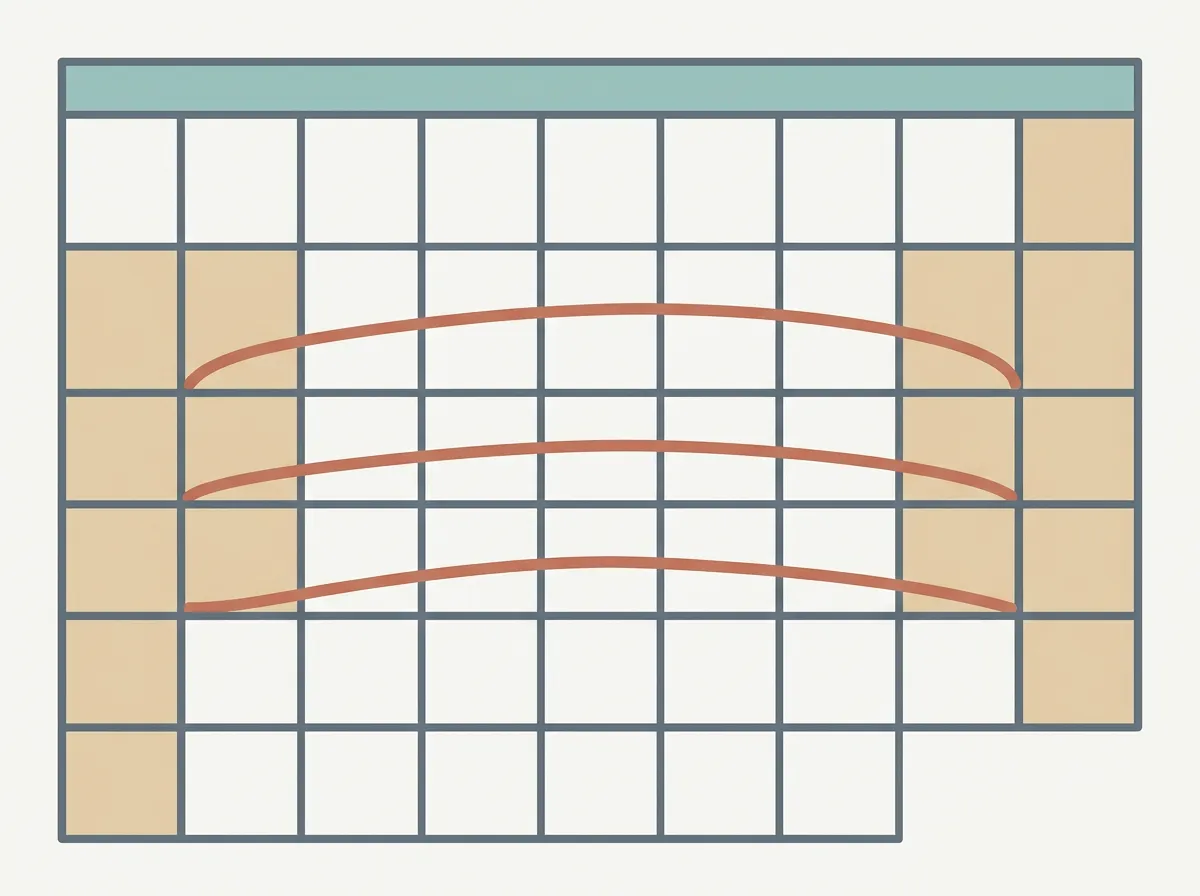
Urgency is the part most lists leave out, and the NHS separates it deliberately. Bleeding that will not stop, a lot of blood — enough that the toilet water turns red — or large blood clots is the emergency tier: go to A&E or call 999, the NHS says, and do not drive yourself. Wherever you are, that means emergency care now, not an appointment. Stool that is black or dark red, or bloody diarrhea, sits one rung down as same-day urgent care. Blood in your poo for three weeks, or stool that has been softer, thinner or longer than normal for three weeks, warrants a routine appointment. Same category of sign, three very different speeds.
This page deliberately does not tell you what any of these signs means. A stool sign is a symptom to be assessed, not a diagnosis: NIDDK describes gastrointestinal bleeding as a symptom of a complication of another disease or condition, which is exactly why working backwards from the bowl to a cause is the wrong move. What follows is a list of appearances and the speed each one warrants, and nothing more than that.
This page is educational, not medical advice. For any concerning or persistent change, talk to a healthcare provider.
Trying to work out whether what you're seeing is unusual at all? Our interactive Bristol stool chart walks through all seven types, with these same red flags called out alongside them.
Open the stool chart →

The red flags, in one place
Everything on this page reduces to one paragraph, and it is the same paragraph that sits on our Bristol stool chart.
See a healthcare provider promptly if: your stool is black and tarry or contains blood, a change in your habits lasts more than about two weeks, you have severe belly pain, or you're losing weight without trying. A chart can't rule any of that in or out — a provider can.
Two notes on that list before the detail below. The published threshold from the NHS for a change in bowel habit is three weeks or more, and the NHS applies it on two separate pages: its bowel-cancer page says to see a GP about any symptom of bowel cancer that has lasted three weeks or more, and its rectal-bleeding page puts blood in your poo for three weeks, and poo that has been softer, thinner or longer than normal for three weeks, on its own see-a-GP list. Treat about two weeks as the conservative version of the same idea. And diarrhea runs on a much shorter clock than anything else here — NIDDK's figure is more than two days for adults, not weeks.

Black or tarry stool, and the word melena
Black, sticky, tar-like stool with a foul smell has a medical name. MedlinePlus calls it melena and describes it as a sign of a problem in the upper digestive tract, which NIDDK defines as the esophagus, the stomach, or the upper duodenum — the first part of the small intestine. NIDDK lists black or tarry stool as a symptom of acute GI bleeding and says to seek medical help right away. The NHS is blunter still: bloody or black, sticky, extremely foul-smelling stool sits on its call-999-or-go-to-A&E list, not its wait-and-see list. Harmless explanations do exist, and MedlinePlus names them: black licorice, blueberries, blood sausage, iron pills, activated charcoal, and bismuth medicines such as Pepto-Bismol all darken stool. The same page still says to contact your provider right away about blood or a change in the color of your stool. A plausible dietary explanation is common. It is not something you can confirm by looking.
Visible blood: three speeds, not one
The NHS triages rectal bleeding by how much and how fast, and the three tiers are worth knowing before you need them. Emergency: bleeding that will not stop, a lot of blood — the example the NHS gives is the toilet water turning red — or large blood clots. Go to A&E or call 999, and the NHS specifically says not to drive yourself. Same-day urgent: stool that is black or dark red, or bloody diarrhea, which the NHS routes to an urgent GP appointment or NHS 111. Routine appointment: blood in your poo that has been there for three weeks. NIDDK describes the same sign in its own terms — dark or bright red blood mixed with stool is a symptom of acute GI bleeding. One mimic the NHS names by hand: stool can look as though it has blood mixed in after a lot of red or purple food, tomatoes and beetroot among them. That is a reason not to panic. It is not a reason to decide for yourself.
A change in your habits that lasts three weeks
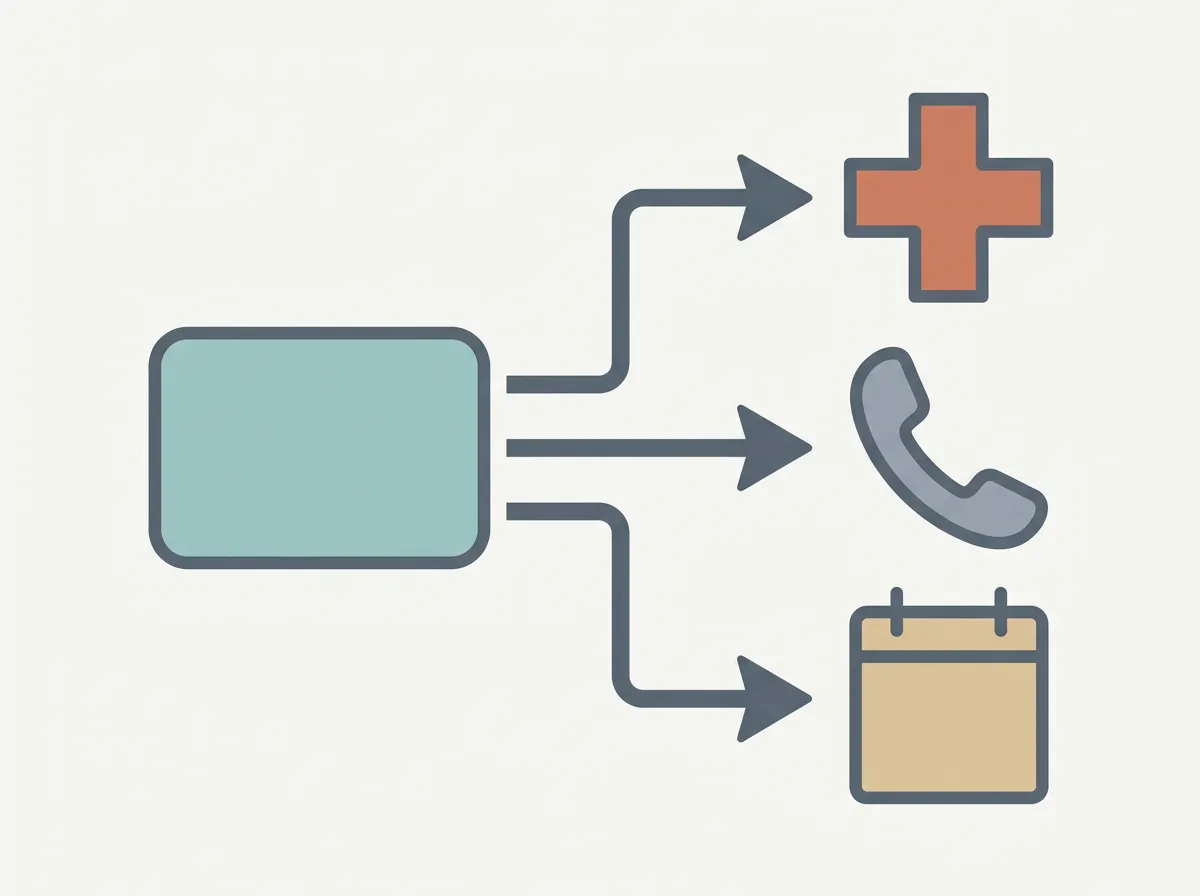
Three weeks is the sourced number, and it is the one to count against. The NHS says to see a GP if you have any symptom of bowel cancer for three weeks or more, and the stool-related symptoms on that list are changes in your poo, such as having softer poo, diarrhoea or constipation that is not usual for you, needing to poo more or less often than usual for you, blood in your poo, which may look red or black, and losing weight without trying. The NHS sets the same three weeks on its rectal-bleeding page, and that page's see-a-GP list is where the wording about poo that has been softer, thinner or longer than normal for three weeks comes from. The bowel-cancer page makes the reassuring point in the same breath: some of these symptoms are very common, they can be caused by other conditions, and having them does not definitely mean you have bowel cancer — but it is important to get checked. Both halves of that matter. Three weeks is not a general-purpose figure either; carry it over to a change in stool shape or color, not to diarrhea, which has its own shorter threshold.
Severe pain, and the signs that mean now
Severe pain in the abdomen or rectum is on NIDDK's talk-to-a-doctor-right-away list. The NHS goes further and puts several abdominal signs on its 999-or-A&E list: pain that came on very suddenly or is severe, pain when you touch your stomach, vomiting blood or vomit that looks like ground coffee, being unable to pee, and being unable to poo or pass gas. Alongside constipation, NIDDK adds constant pain in your abdomen, bleeding from your rectum, blood in your stool, inability to pass gas, vomiting, fever, lower back pain, and losing weight without trying as reasons to see a doctor right away instead of continuing with self-care. Sudden or severe is the distinction doing the work in those lists — not how many days it has been going on.
Pale or clay-colored stool, dark urine, yellowing skin
This is the one appearance that tends to arrive as a cluster rather than on its own. MedlinePlus explains the mechanism plainly: the liver releases bile salts into stool, and that is what gives it its normal brown color — so stool that is pale, clay- or putty-colored may be due to problems in the biliary system, the drainage system of the gallbladder, liver and pancreas. Two companions often show up with it. Yellow skin, which is jaundice, often occurs alongside clay-colored stools, and dark urine may also occur with them. That combination is worth naming to a provider as a combination. MedlinePlus's threshold is stools that are not the normal brown color for several days; Cleveland Clinic's is broader still — contact a healthcare provider if your poop is any shade other than brown, especially if you have other symptoms.
Pus, fever, and the thresholds that belong to diarrhea alone
NIDDK's list of diarrhea symptoms that mean talking to a doctor right away includes stool that contains pus, stool that is black and tarry or contains red blood, severe pain in the abdomen or rectum, frequent vomiting, symptoms of dehydration, and a change in mental state such as irritability or lack of energy. For adults it adds three specific figures: diarrhea lasting more than two days, a high fever, or six or more loose stools per day. Those numbers belong to diarrhea and nowhere else on this page. Stretching the two-day threshold to cover a slow change in stool shape or color would set the bar in the wrong place in both directions — for that, the sourced figure is the NHS's three weeks.

Weight loss and family history: the flags that never show up in the bowl
Two red flags are invisible on any stool chart. The first is unintentional weight loss — losing weight without changing your diet or exercise routine. The NHS describes it as something that can be a sign of stress or of a serious illness and says to see a GP just in case; it appears on the NHS bowel-cancer symptom list, and on NIDDK's see-a-doctor-right-away list when it comes alongside constipation. The second is family history: NIDDK says you should see a doctor if your symptoms do not go away with self-care, or if you have a family history of colon or rectal cancer. Neither of those is something you can look for in the toilet, which is a fair summary of the limit of every stool chart, this site's included.
Tips & warnings
- If bleeding will not stop, the toilet water turns red, or you see large blood clots, that is the emergency tier — the NHS says go to A&E or call 999, and not to drive yourself.
- Write down the date a change started. Three weeks is the NHS threshold for any bowel-cancer symptom, and a date is far more useful to a provider than "a while".
- Note what else is happening at the same time: pale stool with dark urine or yellowing skin, blood with unexplained weight loss, diarrhea with fever. Cleveland Clinic flags other symptoms as the thing that raises the stakes on an unusual color.
- A harmless explanation existing does not clear the sign. MedlinePlus names licorice, blueberries, blood sausage, iron pills, activated charcoal and bismuth medicines as causes of black stool — and still says to contact a provider about a change in stool color.
- Don't apply the two-day diarrhea threshold to anything but diarrhea. For a change in stool shape or color, the sourced figure is three weeks.
- Mention a family history of colon or rectal cancer. NIDDK treats it as a reason to be seen rather than to keep self-managing.


Frequently asked questions
What are the stool red flags, and when should you see a doctor?
The stool red flags are black or tarry stool, visible blood whether bright red or dark, stool containing pus, pale or clay-colored stool — especially with dark urine or yellowing skin — and any change in your bowel habits, including stool that is softer, thinner or longer than normal, that has lasted three weeks or more. How fast you should act differs by sign. Bleeding that will not stop, a lot of blood, large blood clots, abdominal pain that is sudden or severe, and being unable to poo or pass gas are on the NHS emergency list: A&E or 999, immediately. Black or dark red stool, bloody diarrhea, stool with pus, diarrhea lasting more than two days in an adult, or a high fever mean talking to a doctor right away. Blood or a habit change lasting three weeks, and losing weight without trying, warrant an appointment. The NHS is explicit that these symptoms are very common and can be caused by other conditions, so having one does not mean you have a serious disease — it means having it looked at rather than guessed at.
Is black stool always an emergency?
Black, sticky, tar-like, foul-smelling stool has a name — melena — and MedlinePlus describes it as a sign of a problem in the upper digestive tract. NIDDK lists black or tarry stool as a symptom of acute GI bleeding and says to seek medical help right away, and the NHS puts bloody or black, sticky, extremely foul-smelling stool on its 999-or-A&E list. Harmless causes are real and MedlinePlus names them: black licorice, blueberries, blood sausage, iron pills, activated charcoal, and bismuth medicines such as Pepto-Bismol. But the same page still says to contact your provider right away about blood or a change in the color of your stool, so a plausible dietary explanation is not a reason to wait it out.
How long should I wait before seeing a doctor about a change in my stool?
Three weeks is the sourced threshold. The NHS says to see a GP if you have any symptom of bowel cancer for three weeks or more, and blood in your poo, which may look red or black, and changes in your poo such as having softer poo are both on that symptom list. The NHS's rectal-bleeding page sets the same three weeks, and it is that page's see-a-GP list that names poo which has been softer, thinner or longer than normal for three weeks. Diarrhea is the exception and runs on a much shorter clock: NIDDK says adults should talk to a doctor right away if diarrhea lasts more than two days, if there is a high fever, or if there are six or more loose stools a day. And none of that applies to the emergency signs — heavy bleeding, sudden or severe abdominal pain, or being unable to pass stool or gas need attention immediately, not in three weeks.
What does pale or clay-colored stool mean?
MedlinePlus says pale, clay- or putty-colored stool may be due to problems in the biliary system — the drainage system of the gallbladder, liver and pancreas — because the liver releases the bile salts that give stool its normal brown color. Jaundice, meaning yellow skin, often occurs alongside clay-colored stools, and dark urine may occur with them as well. That is as far as any page should take it: the appearance points at a system, not at a diagnosis. MedlinePlus advises contacting a provider if your stools are not the normal brown color for several days, and Cleveland Clinic advises contacting a provider for any shade other than brown, especially if you have other symptoms.
Can food explain a red flag?
Often, yes, and for a one-off color change it is the most likely explanation. Cleveland Clinic notes that most of the time your poop color has something to do with something you ate, but that sometimes it can be a sign of an underlying health condition. The NHS says stool can look as though it has blood mixed in after eating a lot of red or purple foods such as tomatoes and beetroot. MedlinePlus names black licorice, blueberries, blood sausage, iron pills, activated charcoal and bismuth medicines as causes of black stool. What none of those sources do is treat a dietary explanation as a reason to skip the appointment — each of them still routes a real change in stool color to a provider.
Does a stool chart tell me whether something is wrong?
No, and it is not built to. The Bristol Stool Form Scale — the seven-type classification of stool by shape and consistency that Lewis and Heaton published in 1997 — is a description and communication tool, not a test. NIDDK makes the equivalent point about bleeding: gastrointestinal bleeding is a symptom of a complication of another disease or condition, not a disease in itself, and it can be acute or chronic. A chart can tell you that what you are seeing is unusual for you, and it can give you the words to describe it accurately. It cannot rule anything in or out. A provider can.
What should I tell my doctor?
The details that let a provider triage rather than start from scratch: when the change started and whether it has been continuous, the color and the shape, whether blood looked bright red, dark red or black, whether stool was sticky and unusually foul-smelling, how many bowel movements a day and whether they were loose, and anything happening alongside it — pain, fever, vomiting, dark urine, yellowing skin, or weight lost without trying. Include your medicines and supplements, since MedlinePlus names iron pills, activated charcoal and bismuth medicines as things that darken stool, and mention any family history of colon or rectal cancer, which NIDDK treats as a reason to be seen rather than to self-manage. This page is educational, not medical advice. For any concerning or persistent change, talk to a healthcare provider.
Sources
- NHS — Bleeding from the bottom (rectal bleeding)
- NHS — Symptoms of bowel cancer
- NHS — Stomach ache
- NHS — Unintentional weight loss
- NIDDK (NIH) — Symptoms & Causes of GI Bleeding
- NIDDK (NIH) — Definition & Facts for GI Bleeding
- NIDDK (NIH) — Symptoms & Causes of Diarrhea
- NIDDK (NIH) — Symptoms & Causes of Constipation
- MedlinePlus Medical Encyclopedia — Black or tarry stools
- MedlinePlus Medical Encyclopedia — Stools: pale or clay-colored
- Cleveland Clinic — What Does My Stool (Poop) Color Mean?
- Cleveland Clinic — Bristol Stool Chart
- PMC — Stool Consistency: Looking Beyond the Bristol Stool Form Scale (cites Lewis & Heaton, Scand J Gastroenterol 1997)
Related
- The Bristol stool chart, explained (interactive)
- Poop color meaning: what each stool color usually indicates
- Thin stools: what narrow or pencil-thin poop can mean
- Are bidets good for hemorrhoids?
- Bidets for sensitive skin & IBS
- Bidets for postpartum recovery
- Are bidets safe during pregnancy?
- Is a bidet cleaner than toilet paper?