
Thin Stools: What Narrow or Pencil-Thin Poop Can Mean
A thin stool, on its own, is often nothing — but a stool chart is not the thing that can tell you so. The Bristol Stool Form Scale grades shape and consistency: Bristol Type 4 on the stool form chart is the smooth, soft, snakelike form, one of the two clinicians treat as ideal, and none of the seven types is a measurement of calibre. So the scale cannot answer the width question you are bringing to it. What carries weight instead is change and duration: stool that has become narrower, or a different shape than usual, and has stayed that way. The likeliest explanations are mundane — too little fibre, ordinary constipation, irritable bowel syndrome. But a change in stool calibre also appears on the National Cancer Institute's list of possible signs of colon cancer, and nothing you can look at in a bowl will tell those apart. That is the whole reason a persistent change belongs in front of a healthcare provider rather than a search box.
People describe the same observation in several ways: pencil-thin, ribbon-like, stringy, or simply smaller than it used to be. On the Bristol scale the relevant band is Types 2 to 4 — Type 2 is hard and lumpy but sausage-shaped, Type 3 is sausage-shaped with cracks on the surface, and Type 4 is smooth, soft and snakelike. Cleveland Clinic describes Types 3 and 4 as the most ideal. Notice what those descriptions grade: shape and consistency. None of them is a measurement of width, which is part of why "too thin" is such a difficult call to make from a picture.
So this page does three things. It sets out the ordinary explanations, because they are the most likely ones. It sets out what a genuine physical narrowing is, because that is a real thing with named causes. And it is specific about the point at which watching becomes calling. What it will not do is tell you which of those you have — that is not something an article can establish.
This page is educational, not medical advice. For any concerning or persistent change, talk to a healthcare provider.
Compare what you're seeing against all seven Bristol stool types.
Compare all seven types →
What a stool chart can and cannot tell you
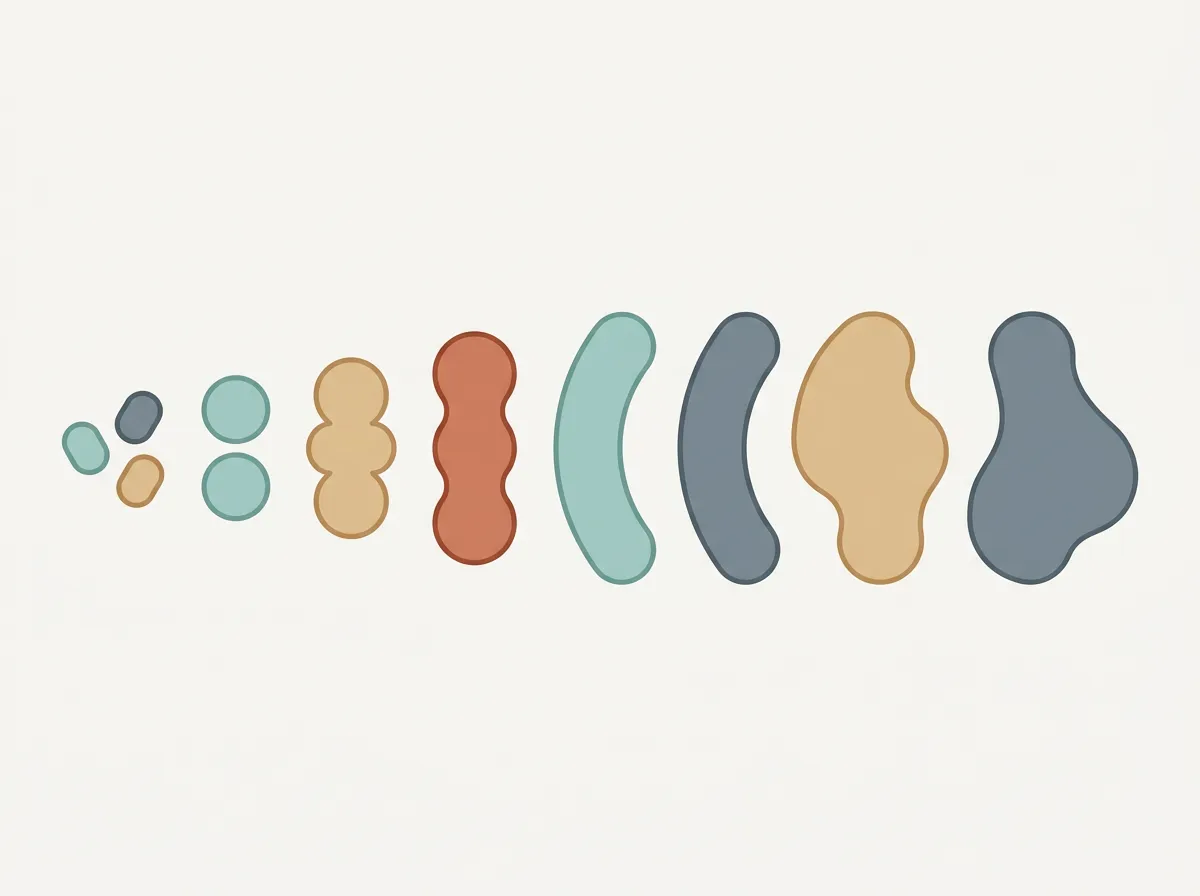
The Bristol Stool Form Scale is a vocabulary, not a diagnostic instrument. It was built in the early 1990s to do one job — stand in for whole-gut transit time, which nobody can observe directly — and clinicians and researchers have used it for that ever since. So it estimates how fast things moved from how they came out, and it does that by grading shape and consistency. The research is candid about how tight even that estimate is. Blake and colleagues compared the scale against laboratory-measured fecal water content — an objective measure of stool consistency — in 169 healthy adults: agreement was only moderate when people scored their own stool, r = 0.491, against r = 0.701 when trained experts did the scoring. Read that as permission to stop staring. A chart is a useful shared vocabulary for describing what you are seeing to someone who can examine you. It cannot rule a condition in, it cannot rule one out, and because not one of its seven types is a measurement of width, it cannot settle a question about width at all.
When thin stools need a provider, not a chart
Take this part at face value, because the rest of the page is deliberately calm.
See a healthcare provider promptly if: your stool is black and tarry or contains blood, a change in your habits lasts more than about two weeks, you have severe belly pain, or you're losing weight without trying. A chart can't rule any of that in or out — a provider can.
Cleveland Clinic sets the same two-week threshold for constipation or diarrhea, and lists bloody diarrhea, more than a few bright red streaks of blood, and stool that is deep red, maroon, black or tarry as reasons to make contact. Constipation together with nausea, vomiting and abdominal pain is flagged differently again — that combination can signal an obstruction and is treated as needing emergency care, not an appointment next week. The NHS uses a three-week rule for any symptom of bowel cancer: three weeks or more, see a GP. In the same breath the NHS says these symptoms are very common, can be caused by other conditions, and having them does not definitely mean you have bowel cancer. Both halves of that are true at once.
The most ordinary explanation: not enough fibre
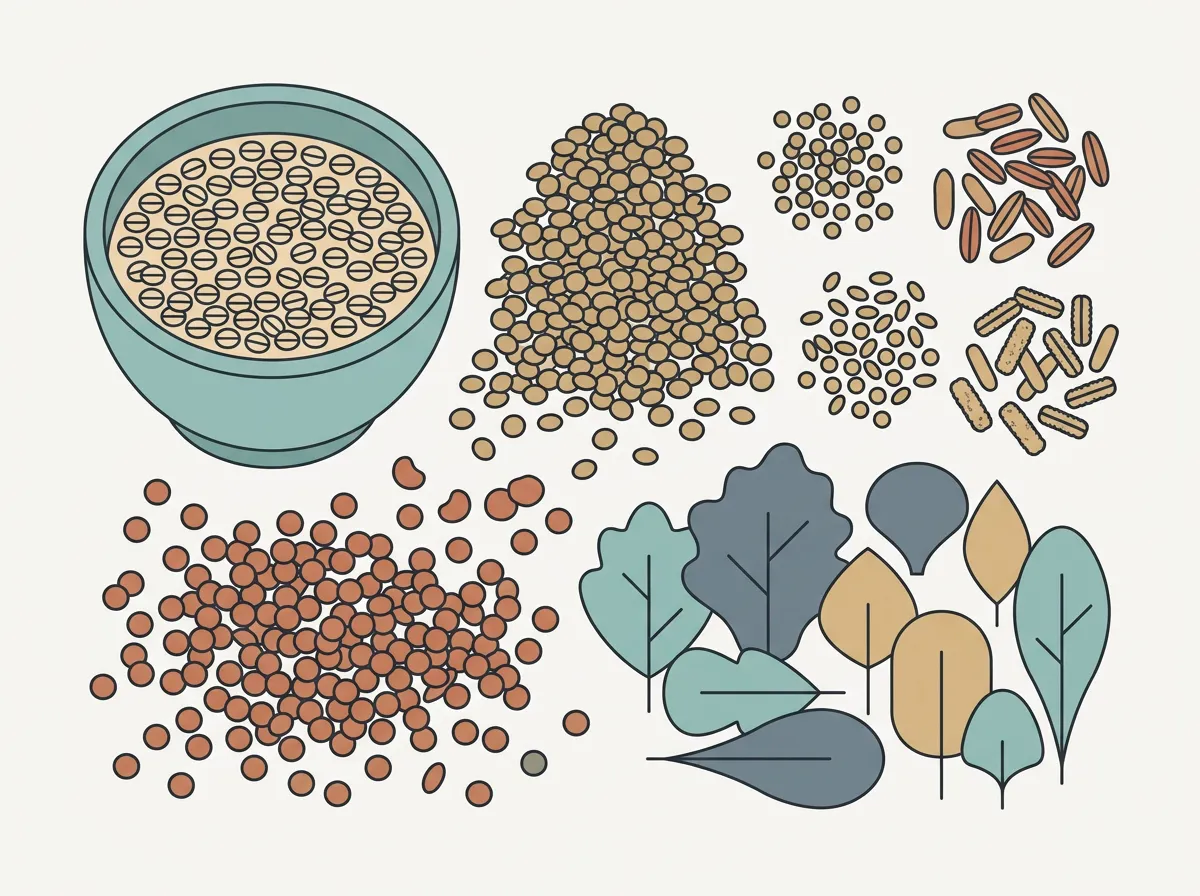
Insoluble fibre is what gives stool bulk. MedlinePlus credits it with two effects: it makes stool bulkier, and it seems to speed the journey of food through the stomach and intestines. Take the bulk away and there is simply less material to form a wide stool. Not eating enough fibre is also one of NIDDK's listed causes of constipation, which is why fibre is the first thing worth honestly auditing before assuming anything structural. The only number worth quoting: depending on age and sex, adults should get 22 to 34 grams of fibre a day. NIDDK is equally clear about how to get there — add fibre to your diet a little at a time so your body gets used to the change, and drink water and other liquids to help the fibre work better. A sudden jump straight to 30 grams tends to produce gas and bloating, which then gets misread as a new symptom.
Constipation itself changes how big a stool looks
This is the piece people miss. The NHS description of constipation includes poo that is unusually large or small as well as dry, hard or lumpy — so an extremely common, benign condition can itself produce a stool that looks wrong to the person passing it. NIDDK defines the symptom picture as fewer than three bowel movements a week, stools that are hard, dry or lumpy, stools that are difficult to pass, and a feeling that not all the stool has passed. If several of those describe your last fortnight, constipation is a more parsimonious explanation for a narrow stool than anything exotic. NHS self-care is unglamorous and effective: gradually increase dietary fibre, drink plenty of water and other fluids, and go easy on alcohol. The NHS also names the points at which constipation stops being self-care and becomes a GP visit — blood in your poo, unexplained weight loss, persistent fatigue, or sudden changes in how you poo.
IBS: common, and not a narrowing
Irritable bowel syndrome is a group of symptoms that occur together — repeated abdominal pain, often related to bowel movements, and changes in those bowel movements: diarrhea, constipation, or both. Alongside that, NIDDK lists bloating, the feeling of not having finished a bowel movement, and whitish mucus in the stool. Studies suggest about 12 percent of people in the United States have IBS, which makes it a genuinely common reason for stool form to keep moving around. The detail that matters most here: in IBS these symptoms occur without any visible signs of damage or disease in the digestive tract. It is a disorder of function, not a physical narrowing of the pipe — so if IBS is your existing diagnosis, a change in stool shape is more likely to belong to it than to anything structural. That is not a licence to skip the duration rule above. A new change, sustained, is still worth reporting even with an IBS diagnosis on file.
Narrowing at the outlet: anal stenosis
There is one condition in which pencil-width stool is a documented symptom by name. Anal stenosis, also called anal stricture, is a rare narrowing of the anal outlet itself — Cleveland Clinic's own first line calls it a rare condition, and that word matters here: a rare condition is not the likely explanation for a common observation, it is the one worth knowing about if the specific cause below applies to you. Cleveland Clinic describes its symptoms as narrow poops — a poop only as wide around as a pencil — along with constipation, diarrhea, fecal incontinence, pain on passing stool, a feeling of incomplete evacuation, and rectal bleeding. Its most common cause is mechanical and specific: about 90% of cases involve scar tissue that builds up after hemorrhoid surgery. Other listed causes include anal sexually transmitted infections, inflammatory bowel disease, excessive laxative use, and radiation therapy. If you have had hemorrhoid surgery and your stool has been consistently narrow since, that is a concrete thing to raise with the surgeon who did it — a specific, treatable, non-cancer explanation that a stool chart will never surface for you.
Narrowing higher up: colon stricture
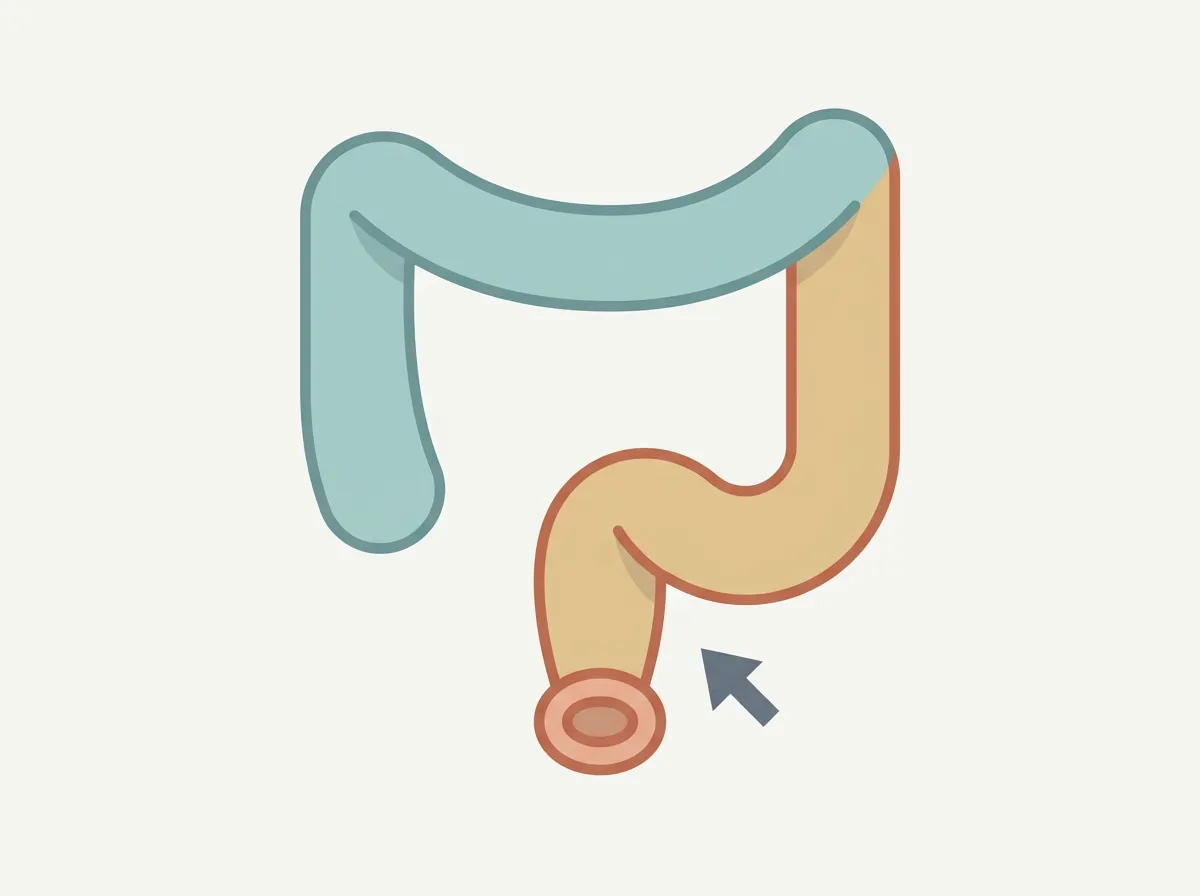
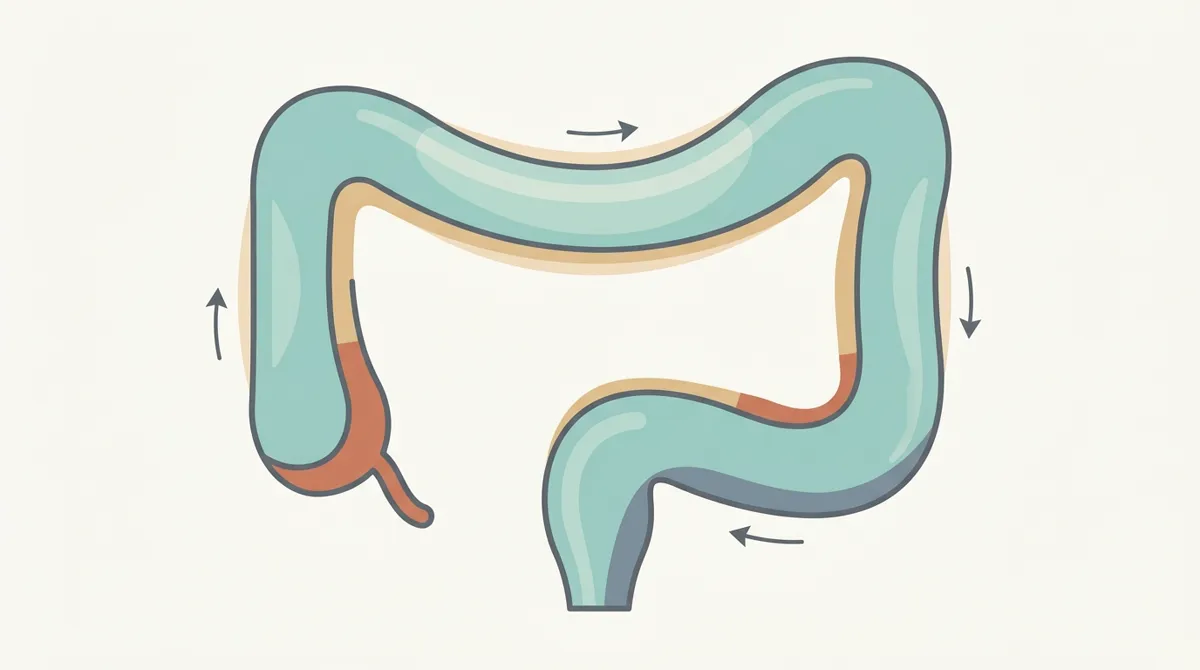
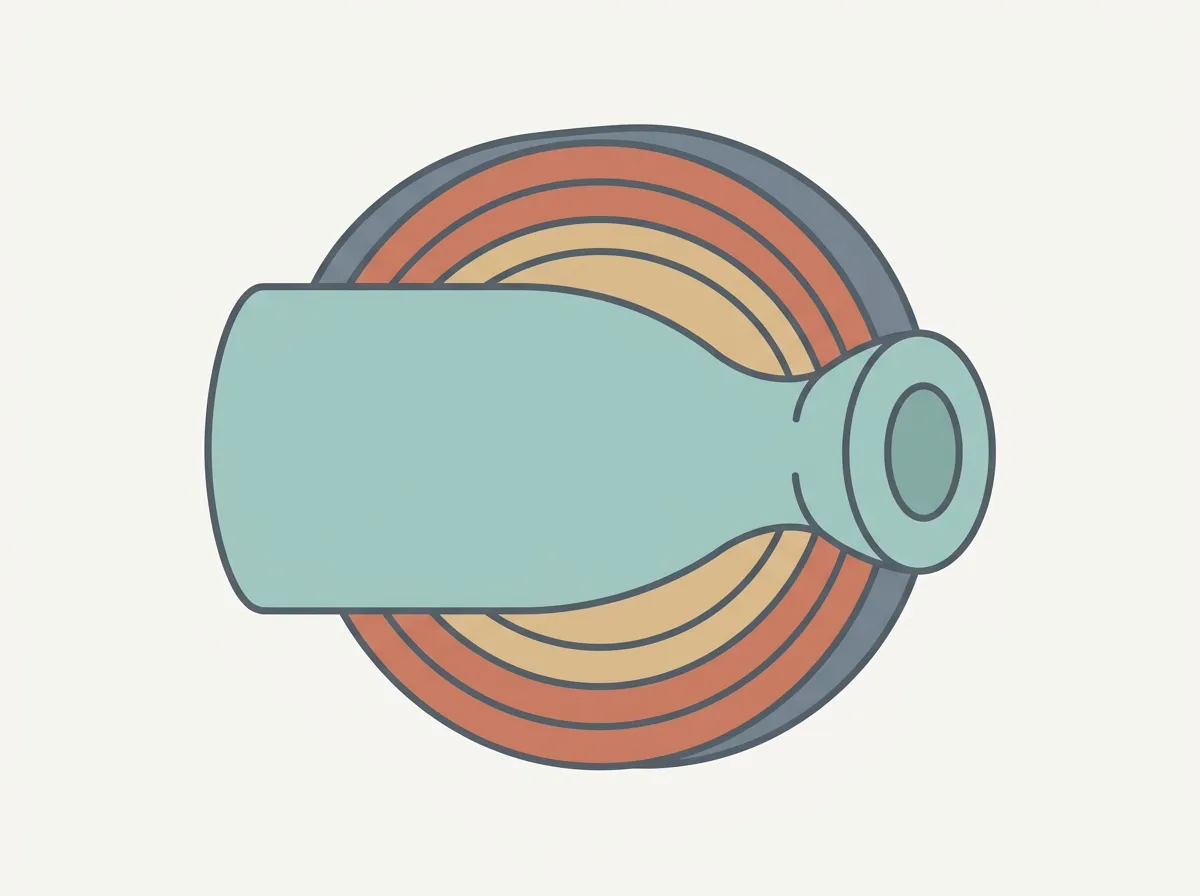
A colon stricture is a narrowing of the passage through the colon. Cleveland Clinic names the causes: inflammation and scarring from Crohn's disease and ulcerative colitis, where scarring narrows the passage over time; scar tissue following diverticulitis; adhesions after surgery; a hernia compressing the colon; radiation damage; and tumours growing in the colon that obstruct the passage. The same page opens by saying strictures often affect people with inflammatory bowel disease or colon cancer, and it is blunt about what happens if one is ignored: left untreated, strictures can lead to life-threatening complications like bowel obstruction. Worth being precise about how the source handles stool width, because the internet is not. Narrow stool is not in Cleveland Clinic's bulleted symptom list, which runs abdominal pain, constipation, diarrhea, bloating, nausea and vomiting, and weight loss. But the same page, answering whether you can still poop with a stricture, says that with a moderate stricture constipation is more likely and your poop might be narrower or harder to pass — and with a severe one you might be unable to poop at all. So the honest distinction is one of kind, not of presence: pencil-width stool is a symptom of anal stenosis by name, while narrower stool is a severity-dependent effect of a colon stricture. Both halves are in the sources. What follows from that is not reassurance but the same rule as everywhere else on this page — the surrounding symptoms carry more information than the width does, and if you have Crohn's disease or ulcerative colitis and your stool has been persistently narrower or harder to pass, that belongs in front of your gastroenterologist rather than being reasoned away.
Why persistent thin stools appear on cancer symptom lists
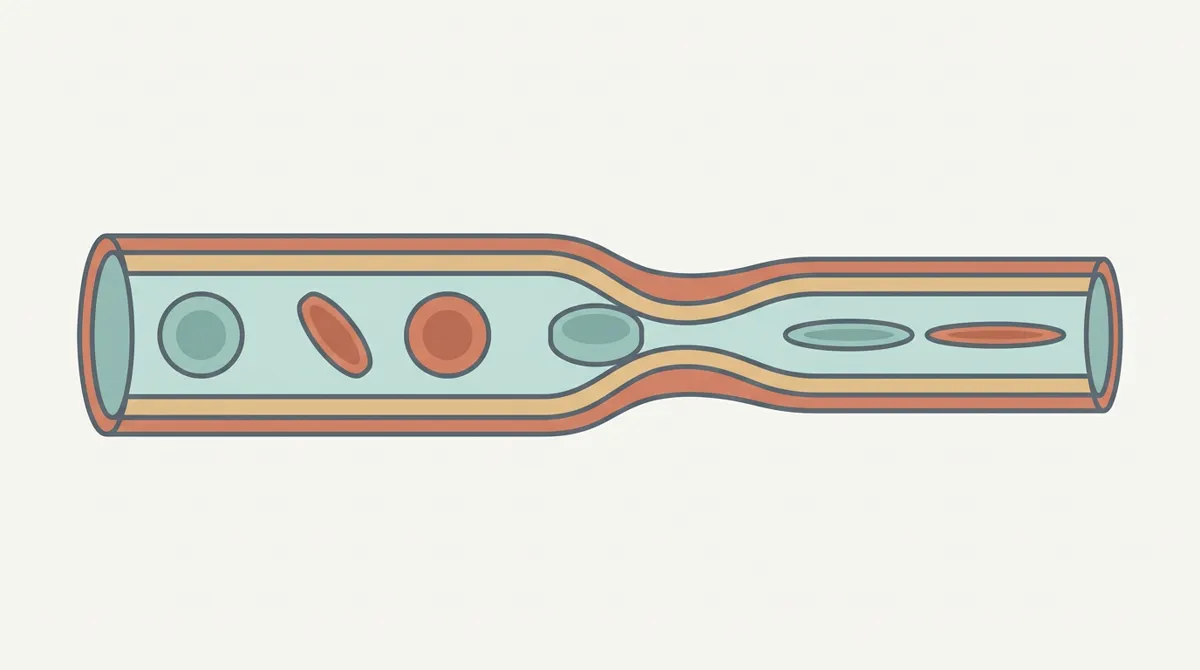
It is better to know this than to half-know it. Stools that are narrower, or a different shape than usual, appear on the National Cancer Institute's list of possible signs and symptoms of colon cancer. That is why nobody responsible will tell you a persistent change in stool calibre does not matter. The same NCI page states, plainly, that these and other signs and symptoms may be caused by colon cancer or by other conditions — so appearing on that list makes a symptom a reason to be checked, not evidence of a diagnosis. Both sentences come from the same authority and they are meant to be read together. A separate, unrelated question worth asking yourself while you are here: are you up to date on screening? People at average risk of colorectal cancer are advised to be screened at regular intervals beginning at age 45 and continuing to age 75. That recommendation has nothing to do with what your stool looked like this morning — it applies whether you have symptoms or not.
Tips & warnings
- Write down the date the change started. "About two weeks" and "three weeks or more" are the actual thresholds Cleveland Clinic and the NHS use, and a date beats a memory.
- Audit fibre before assuming anything structural: adults need 22 to 34 grams a day depending on age and sex. Add it a little at a time, with water and other liquids, so your body gets used to the change.
- Don't stop at matching your stool to a picture. The Bristol scale is a surrogate for gut transit time, not a diagnostic test, it grades shape rather than width, and when people score their own stool its agreement with a laboratory measure of stool consistency is only moderate.
- Do not wait out blood, black and tarry stool, unexplained weight loss, or severe belly pain. Those are contact-a-provider-now items regardless of how long they have been going on.
- Constipation together with nausea, vomiting and abdominal pain is flagged as needing emergency care, not an appointment — that combination can signal an obstruction.
- If you have had hemorrhoid surgery, mention it. Scar tissue after that surgery accounts for about 90% of anal stenosis cases, and narrow stool is one of its named symptoms.
Frequently asked questions
What do thin stools mean?
Thin stools most often mean something ordinary, though a stool chart is not what establishes that. The Bristol Stool Form Scale grades shape and consistency — Type 4 is the smooth, soft, snakelike form clinicians consider most ideal — and none of its seven types measures calibre, so it cannot settle whether a stool is too thin. Common explanations for a genuinely narrower stool include too little dietary fibre — insoluble fibre is what gives stool its bulk — and constipation, which the NHS notes can make poo unusually large or small. Irritable bowel syndrome, which about 12 percent of people in the United States have, is another frequent reason stool form keeps changing without any visible damage or disease in the digestive tract. What thin stools do not do is give you a diagnosis: stools that are narrower or a different shape than usual also appear on the National Cancer Institute's list of possible signs of colon cancer, and the NCI states in the same place that such signs may be caused by cancer or by other conditions. The practical rule is duration. A change in bowel habits lasting more than about two weeks — or any blood, black and tarry stool, severe belly pain or unexplained weight loss, at any point — should be taken to a healthcare provider, because no chart can tell these causes apart and an examination can.
Are pencil-thin stools always serious?
No — but nor is there a benign default. Pencil-width stool is the named symptom of anal stenosis, a rare narrowing of the anal outlet, and about 90% of those cases involve scar tissue that built up after hemorrhoid surgery — a mechanical, treatable explanation, though a rare condition is an unlikely one by definition. Constipation, which is not rare at all, can also make stool unusually small. And a colon stricture higher up can make stool narrower or harder to pass once it reaches moderate severity. That said, a stool that is persistently narrower or a different shape than usual is on the National Cancer Institute's list of possible colon cancer signs, so persistent is the word that decides it. One odd day is not the same as a month of them.
How long should thin stools last before I see a doctor?
Two published thresholds are worth knowing. Cleveland Clinic advises contacting a provider about constipation or diarrhea lasting longer than two weeks. The NHS advises seeing a GP if you have any symptom of bowel cancer for three weeks or more. Neither threshold applies to the urgent signs: blood in your stool, stool that is deep red, maroon, black or tarry, severe belly pain, or unexplained weight loss all warrant contact now rather than waiting out a clock. Constipation with nausea, vomiting and abdominal pain is flagged as needing emergency care.
Can a low-fibre diet cause thin stools?
Three sourced facts line up here. Insoluble fibre is what makes stool bulkier, and MedlinePlus says it also seems to speed the journey of food through the stomach and intestines. Not eating enough fibre is a listed cause of constipation. And constipation itself can make stool unusually large or small, as well as dry, hard or lumpy. So a low-fibre diet is the first thing worth auditing, and NIDDK's target is 22 to 34 grams a day for adults depending on age and sex — added gradually, with water and other liquids, so your body adjusts. If a fortnight of honest fibre and fluid changes nothing, that is itself information to bring to a provider.
Can IBS cause thin or stringy stools?
IBS is a well-recognised cause of stool form changing repeatedly. NIDDK describes it as repeated abdominal pain related to bowel movements plus changes in those bowel movements — diarrhea, constipation, or both — with bloating, a feeling of not having finished, and whitish mucus in the stool. Being straight about the limits of the evidence here: those sources describe changes in bowel movements generally, not a specific stool width, so we are not going to claim IBS explains a narrow stool. What IBS is is non-structural — the symptoms occur without visible signs of damage or disease in the digestive tract. A new, sustained change still deserves reporting even with IBS on your chart.
Do thin stools mean I need a colonoscopy?
That is a decision for a clinician, not an article. Two separate things are worth keeping apart. Symptoms are one conversation: a change in stool shape that persists past about two weeks, or any of the urgent signs, is a reason to be examined, and what happens next depends on that examination. Screening is a different conversation with its own schedule — people at average risk of colorectal cancer are advised to be screened at regular intervals from age 45 to age 75, whether or not they have symptoms. If you are 45 or older and have never been screened, that is worth raising regardless of what brought you to this page.
Which Bristol type is a thin stool?
The scale does not have one. Bristol Type 2 is hard and lumpy but sausage-shaped, Type 3 is sausage-shaped with cracks on the surface, and Type 4 is smooth, soft and snakelike — descriptions of shape and consistency, not measurements of width. Type 4 is one of the two types Cleveland Clinic calls most ideal, and it is also the type most people mean when they say their stool looks thin. That mismatch is the point: the chart was built as a rough surrogate for how fast stool moved through the gut, not as a caliper, so it cannot answer the width question you are asking it.
Sources
- Cleveland Clinic — Bristol Stool Chart: Types & What They Mean
- Stool Consistency: Looking Beyond the Bristol Stool Form Scale (Neurogastroenterology & Motility)
- Cleveland Clinic — Changes in Bowel Habits
- NHS — Symptoms of bowel cancer
- NHS — Constipation
- NIDDK (NIH) — Symptoms & Causes of Constipation
- NIDDK (NIH) — Eating, Diet, & Nutrition for Constipation
- MedlinePlus (NIH) — Dietary fiber
- NIDDK (NIH) — Definition & Facts for Irritable Bowel Syndrome
- NIDDK (NIH) — Symptoms & Causes of Irritable Bowel Syndrome
- Cleveland Clinic — Anal Stenosis
- Cleveland Clinic — Colon Stricture
- National Cancer Institute — Colon Cancer Treatment (PDQ), Patient Version
- National Cancer Institute — Colorectal Cancer Screening fact sheet