
Poop Color Meaning: What Each Stool Color Usually Indicates
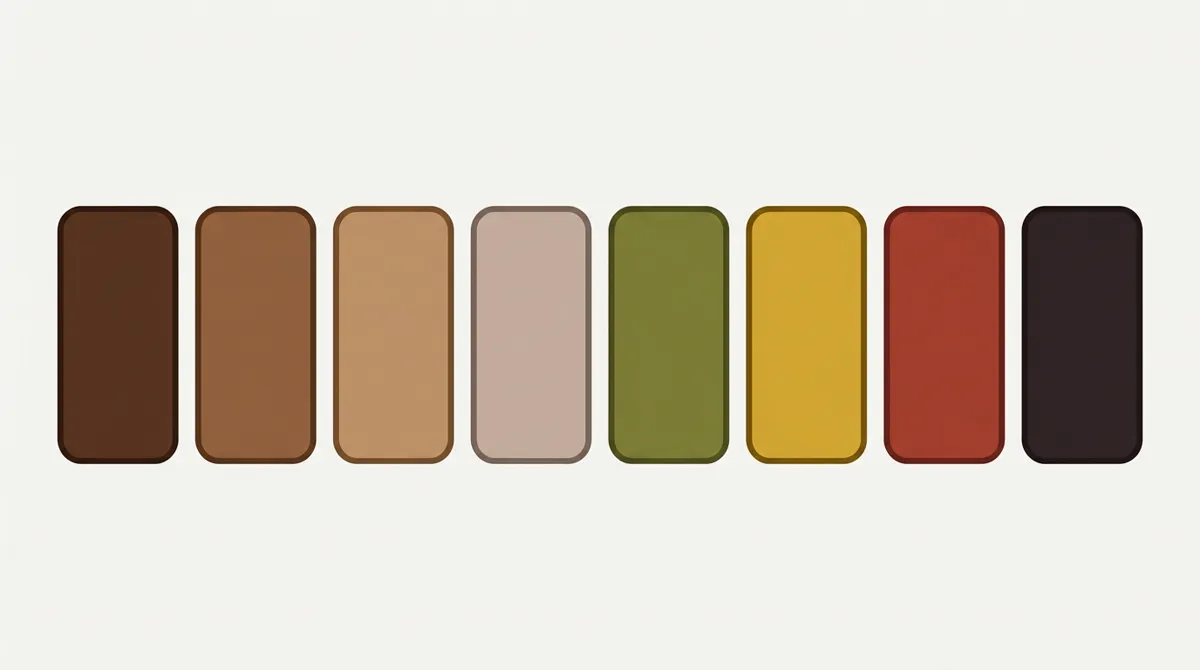
Healthy poop is some shade of brown, and the brown comes from bile — the liver releases bile salts into stool, and the bilirubin in bile is what gives it that color. So most color changes are a readout of two ordinary things: what you ate, and how fast it moved through you. Green is often leafy greens or food dye. Yellow and greasy often follows a fatty meal. Black appears on every major source's list next to iron pills, Pepto-Bismol and dark foods. Red appears next to beets and tomatoes. The colors that are never worth waiting on are black and tarry stool, and stool with blood in it. If you also want to make sense of shape and consistency, that is a different framework — the Bristol Stool Form Scale — and our interactive Bristol stool chart walks through all seven of its types.
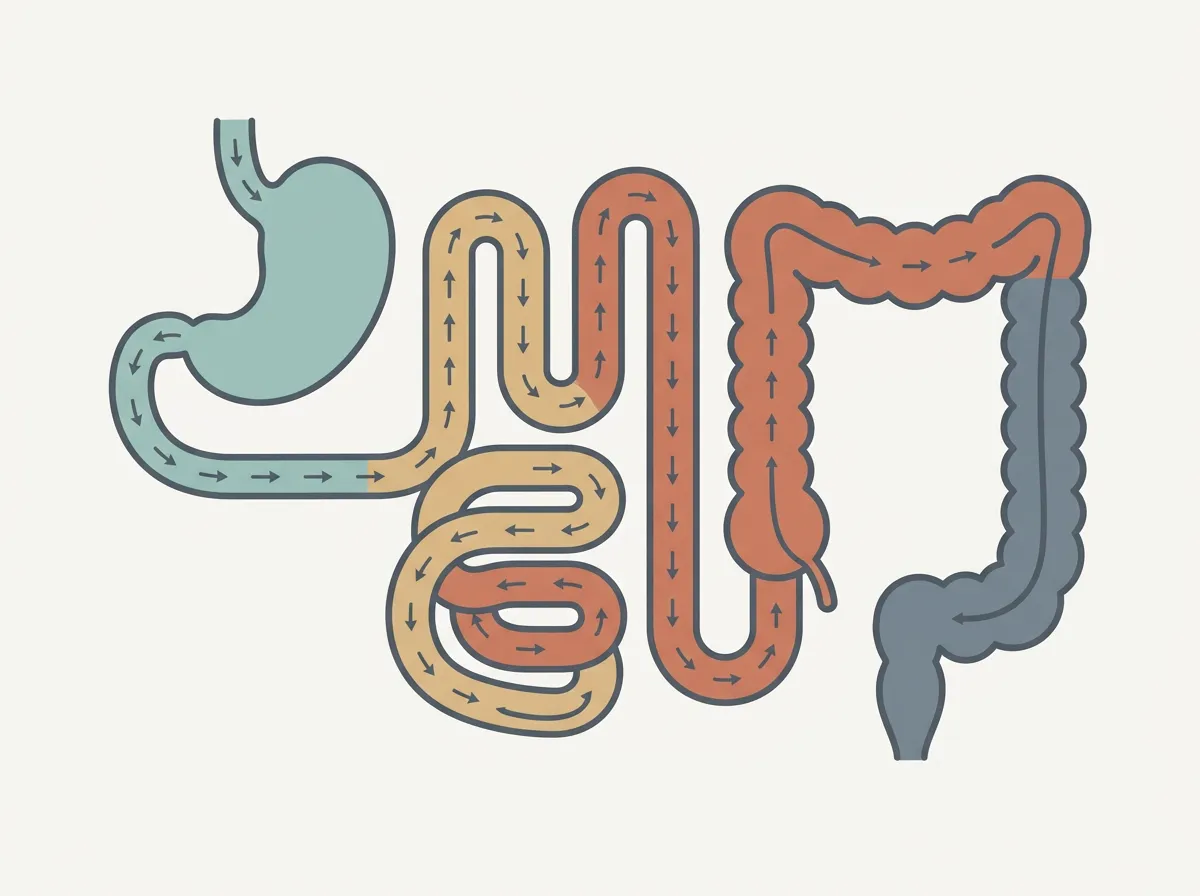
The mechanism is worth a sentence, because it explains why color is a signal at all and also why it is a blunt one. Bacteria in the colon break bilirubin down into compounds that are colorless until they oxidize into urobilin, which is what gives stool its distinctive color (StatPearls, Physiology, Bilirubin). Change the amount of bile reaching the bowel, or change how long stool spends in the colon, or add a strong pigment at the top end, and the color shifts. None of those three inputs, on its own, identifies a condition.
So this page goes color by color and leads with the mundane explanation, because for most colors the mundane explanation is the most likely one. The NHS makes the same point about its own bowel cancer symptom list: some of these symptoms are very common and can be caused by other conditions. What this page will not do is tell you what you have. Where a color has a serious possible cause behind it — a bile flow problem behind pale stool, upper GI bleeding behind black tarry stool — we say so plainly and send you to a provider, because no color chart, ours included, can tell the two apart.
This page is educational, not medical advice. For any concerning or persistent change, talk to a healthcare provider.
Color is only half of it — shape and consistency say as much. Tap your type on our interactive Bristol stool chart.
Open the stool chart →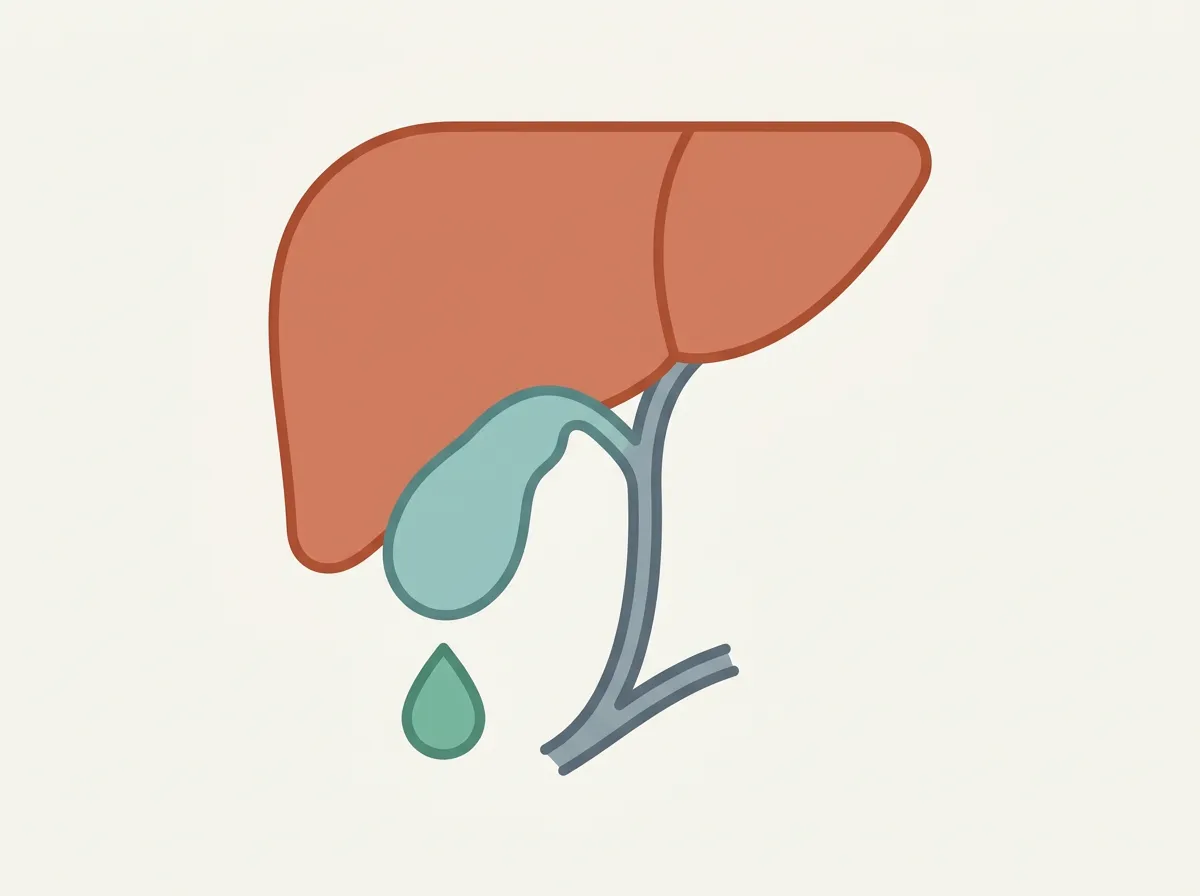
Why healthy poop is brown, and what brown is telling you
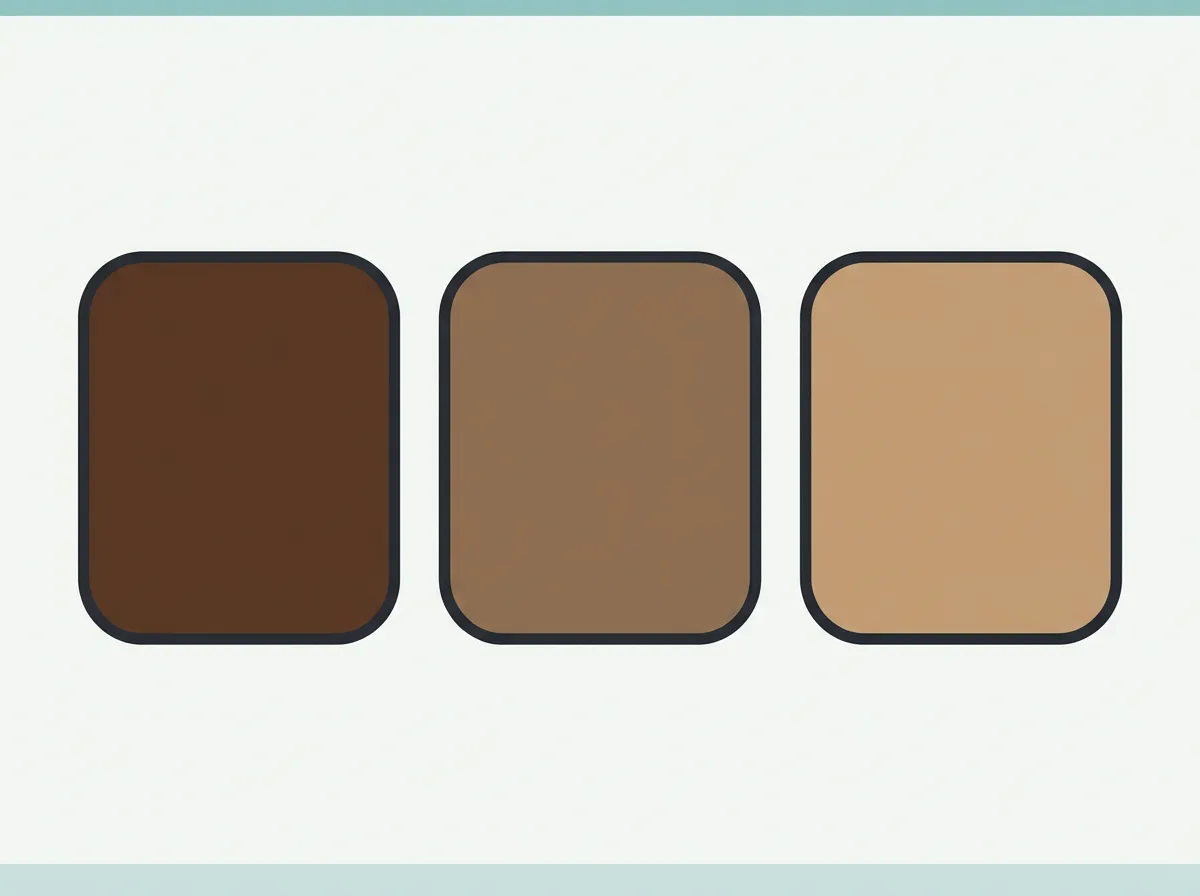
Normal brown is a bile color. The liver releases bile salts into the stool, giving it a normal brown color (MedlinePlus), and Cleveland Clinic puts the same fact the other way round: bile contains bilirubin, and that is what gives your poop its brown color. Downstream, colonic bacteria metabolize that bilirubin into urobilinoids that are colorless until they oxidize to urobilin, giving stool its distinctive color (StatPearls). Practically, that means the brown range is the normal range, and that a color change is telling you something about bile, pigment or speed rather than about a diagnosis.
See a healthcare provider promptly if: your stool is black and tarry or contains blood, a change in your habits lasts more than about two weeks, you have severe belly pain, or you're losing weight without trying. A chart can't rule any of that in or out — a provider can.
Everything below is organized around that limit. Each color gets its ordinary causes first, then the conditions clinicians associate with it, then the point at which the answer stops being a web page and starts being a phone call.
Green poop: leafy greens, food dye, or food moving through too fast
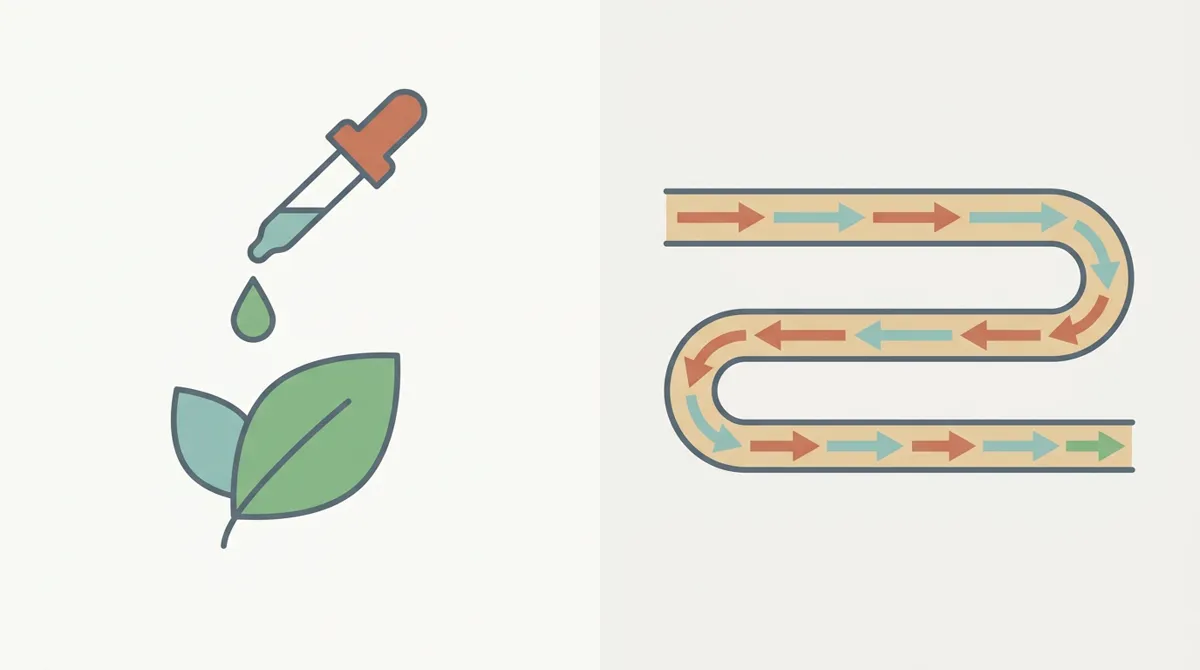
Start with the plate. Cleveland Clinic lists green leafy vegetables like kale or spinach, and green food coloring or dyes, as food causes of green stool — and dye is the one people forget, because it arrives in things nobody files under "green food": frosting, sports drinks, candy, a novelty-colored bakery item. On the health side, the same source lists bacterial infections, irritable bowel syndrome, and food passing through your intestines too fast. That last one is the honest version of a claim you will see stated with much more confidence elsewhere: green often shows up alongside loose or hurried stools, and speed is the common thread. A single green bowel movement after a big salad needs no follow-up. Green that keeps recurring, or arrives with diarrhea, cramping or a fever, is worth a call — Cleveland Clinic's general position is to contact a healthcare provider if your poop is any shade other than brown, especially if you have other symptoms.
Yellow or greasy poop: a fatty meal, or fat that isn't being absorbed
Yellow has a food explanation too. Cleveland Clinic lists carrots and sweet potatoes, and foods high in fat like fried foods, among the food causes of yellow stool. The distinction that matters is not the shade but the texture and the pattern. A one-off yellow stool after a fried lunch is different from stool that is repeatedly greasy, bulky and foul-smelling. Cleveland Clinic links that second picture to excess fat in your poop, pancreatitis or celiac disease, and both of those conditions independently list it as a symptom: NIDDK describes "loose, greasy, bulky, and bad-smelling stools" among the digestive symptoms of celiac disease, and "greasy, foul-smelling stools" among the symptoms of chronic pancreatitis. Those are conditions a provider diagnoses with tests, not something you can settle by looking. If greasy stools are becoming your normal, that is the conversation to have — especially alongside weight loss, belly pain, or symptoms after eating wheat.
Pale, clay-colored, gray or white poop: the bile-flow question
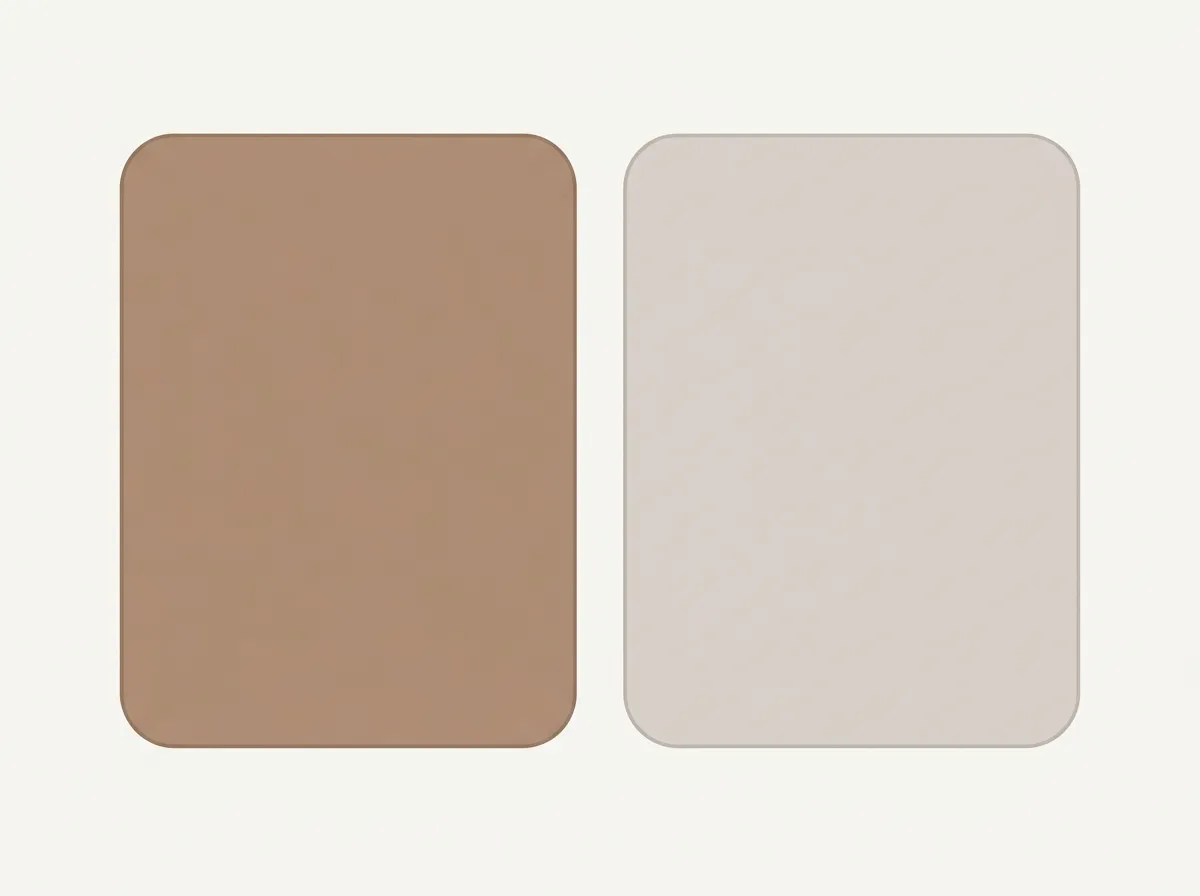
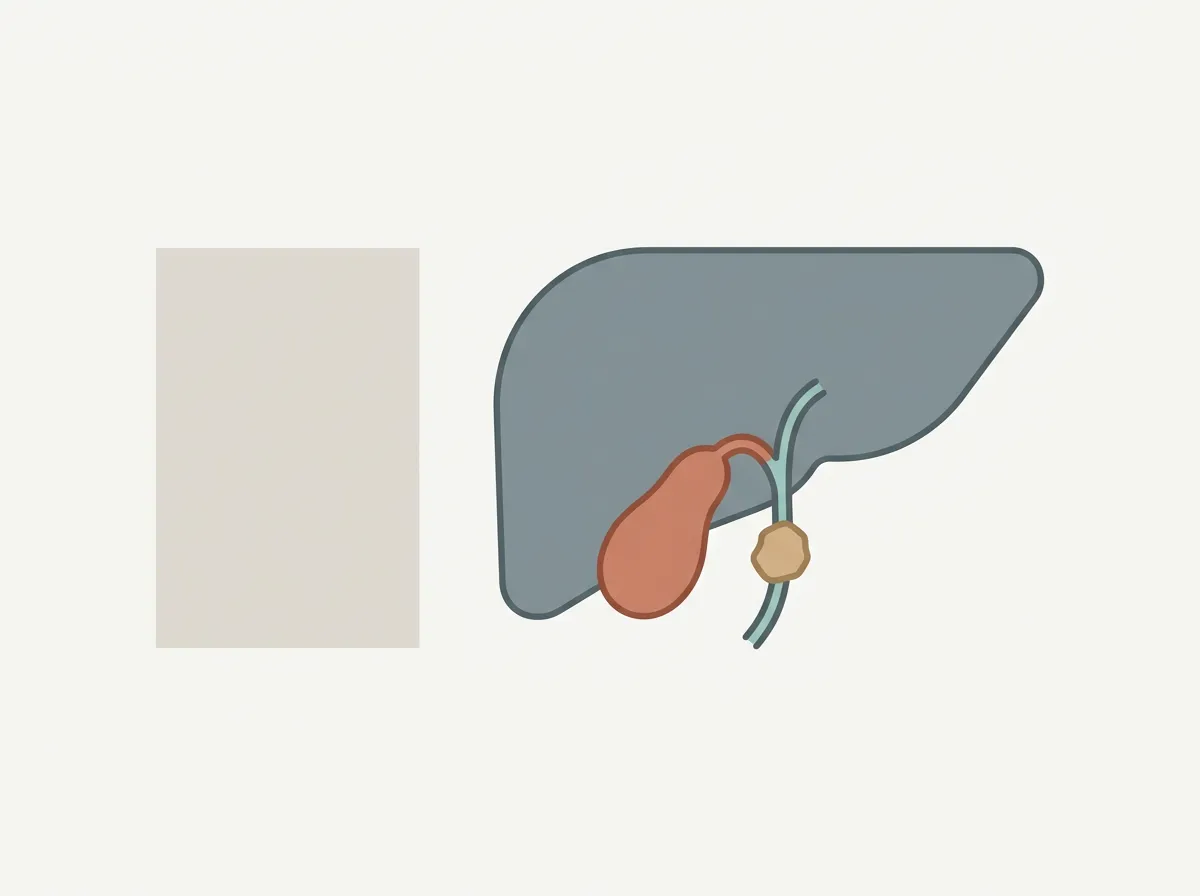
This is the one color where the ordinary explanation is thin, because pale stool is usually about bile that is not arriving. MedlinePlus is direct: you may have clay-colored stools if you have a liver infection that reduces bile production, or if the flow of bile out of the liver is blocked. Its list of possible causes — possibilities, not likelihoods — runs to gallstones, viral hepatitis, alcoholic hepatitis, biliary cirrhosis, narrowing of the bile ducts (biliary strictures), sclerosing cholangitis, bile duct cysts, structural problems present from birth, some medications, and cancer or benign tumors of the liver, biliary system or pancreas. Cleveland Clinic frames the same territory more simply as a problem with your bile duct, liver, pancreas or gallbladder, and also notes that anti-diarrheal medicines can lighten stool. On timing, Cleveland Clinic is reassuring about one-offs — having light-colored poop one time or once every so often is not typically a cause for worry — and clear about the pattern: if you regularly see poop that is gray, white or pale, call a healthcare provider. MedlinePlus sets its threshold at stools that are not the normal brown color for several days. And there is one combination Cleveland Clinic singles out for no delay at all: if you have clay-colored poop along with yellow skin or eyes (jaundice) and dark pee, contact a healthcare provider right away.
Black poop: iron and Pepto-Bismol versus an upper GI bleed
Black stool has two very different explanations, and this section exists to keep them apart. The ordinary list is long: MedlinePlus notes that eating black licorice, blueberries or blood sausage, or taking iron pills, activated charcoal, or medicines containing bismuth such as Pepto-Bismol, can cause black stools. The NHS likewise notes that poo can look very dark or black if you take iron tablets or eat a lot of dark foods, and Cleveland Clinic adds dark leafy vegetables. Bismuth is the clearest case of all: the darkening of the stool and tongue it causes is harmless and usually goes away within a few days of stopping the medication (MedlinePlus drug information). The other explanation is the red flag. Black or tarry stools, often with a foul smell, may be due to bleeding in the upper part of the GI tract — the esophagus, stomach, or the first part of the small intestine (MedlinePlus), and Cleveland Clinic likewise lists upper digestive bleeding among the causes. We are not going to tell you which of the two you have, because the difference is not reliably visible and getting it wrong in the reassuring direction is the expensive mistake. The NHS puts black or dark red stool in its urgent tier: an urgent GP appointment, or NHS 111. If there is no iron pill, no Pepto-Bismol and no dark food to explain it, or the stool is tarry, treat it as same-day.
Red poop: beets and tomatoes, or blood
Beets are genuinely the first thing to consider. The NHS notes that poo can look like it is mixed with blood if you have eaten a lot of red or purple foods like tomatoes and beetroot; MedlinePlus notes that beets and foods with red coloring can sometimes make stools appear reddish; and Cleveland Clinic adds tomato juice, cranberries and drinks with red food coloring. Food pigment also has one useful property that a symptom does not: it stops when the food stops. If the red is gone once the beets are out of your diet, that is your answer. If it carries on, treat it as blood until a provider tells you otherwise. On the health side, Cleveland Clinic lists rectal bleeding — hemorrhoids, ulcers, fissures — and inflammatory bowel disease, and the NHS notes that blood in your poo may look red or black. The urgency depends on how much and how fast. The NHS puts non-stop bleeding, or a lot of blood — for example the toilet water turning red, or large blood clots — in the emergency tier, which in the UK means A&E or 999 and elsewhere means the same level of care, right away. Dark red stool or bloody diarrhea is the urgent-but-not-emergency tier: same-day GP or NHS 111. And blood in a child's poo is its own reason to see a provider.
One time versus a pattern: how long a color change should last before you call
Almost every source draws the line at persistence rather than at a single shade, and the thresholds are worth knowing because they are not all the same. Cleveland Clinic treats one-off pale stool as not typically a cause for worry, but a recurring pattern of gray, white or pale stool as a reason to call. MedlinePlus sets the mark at stools that are not the normal brown color for several days. The NHS uses three weeks for several bowel symptoms: blood in your poo for three weeks, or poo that has been softer, thinner or longer than normal for three weeks. Our own inherited threshold, and the one in the callout above, is a change in habits lasting more than about two weeks. The reason these numbers differ is that they are answering slightly different questions, and none of them applies to the two colors that skip the clock entirely — black and tarry stool, and visible blood. The NHS's three-week list also comes with company: a lot of pain around the bottom, pain or a lump in your tummy, being more tired than usual, or losing weight for no reason. A color change with any of those alongside it is not a waiting situation.
What to tell a provider, and what not to bother doing first
MedlinePlus's own urgent list is short and specific: contact your health care provider right away if you notice blood or changes in the color of your stool, if you vomit blood, or if you feel dizzy or lightheaded. When you do call, the details those sources single out are the ones worth having ready — what color, when it started and whether it has happened since, whether the stool was also loose, greasy, bulky or thin, what you have eaten recently (beets, tomatoes, dark berries, licorice, leafy greens, food dye), and what you have taken (iron, activated charcoal, bismuth, anti-diarrheals, anything new). Add any company the color is keeping: belly pain, weight loss you did not intend, unusual tiredness, yellowing of the skin or eyes, dark urine. What is not worth doing first is stopping a prescribed medication to test a theory, or waiting out a color to see whether it resolves when it is black and tarry or bloody. And a color chart — this one included — is a vocabulary for that conversation, not a substitute for it.
Stool color, cause by cause
| Color | Food or medicine causes | What clinicians look into | When to contact a provider |
|---|---|---|---|
| Brown (any shade) | The normal range — bile salts and bilirubin give stool its brown color | Nothing, on color alone | No need on color alone |
| Green | Leafy greens like kale or spinach; green food coloring or dyes | Cleveland Clinic lists bacterial infections, IBS, and food passing through the intestines too fast | If it keeps up, or comes with other symptoms |
| Yellow or greasy | Carrots and sweet potatoes; high-fat foods like fried food | Cleveland Clinic lists excess fat in the stool, pancreatitis or celiac disease; NIDDK lists greasy, bulky, bad-smelling stools among celiac symptoms | If stools are repeatedly greasy, bulky or foul-smelling |
| Pale, clay-colored, gray or white | Anti-diarrheal medicines; some other medications | Reduced bile production or blocked bile flow — a bile duct, liver, pancreas or gallbladder question | One time is not typically a worry; call a provider if you regularly see it — and right away if it comes with yellow skin or eyes (jaundice) and dark pee (Cleveland Clinic) |
| Black | Black licorice, blueberries, blood sausage, dark leafy vegetables, iron pills, activated charcoal, bismuth (Pepto-Bismol) | Black or tarry stool can be bleeding in the upper GI tract — esophagus, stomach or the first part of the small intestine | Black and tarry, or black with no food or medicine to explain it: urgent, same-day |
| Red | Beets, tomatoes and tomato juice, cranberries, red food coloring | Cleveland Clinic lists rectal bleeding (hemorrhoids, ulcers, fissures) and inflammatory bowel disease | Urgent if it is dark red or bloody diarrhea; emergency if bleeding does not stop, the toilet water turns red, or there are large clots |
Tips & warnings
- Before you worry about a color, run back through what you have recently eaten and taken. Beets, tomatoes, dark berries, licorice, leafy greens, food dye, iron pills, activated charcoal and bismuth (Pepto-Bismol) all show up in the bowl.
- Bismuth darkening of stool and tongue is harmless and usually goes away within a few days of stopping the medicine (MedlinePlus). If black stool continues after you have stopped, that is a reason to call rather than to keep waiting.
- "Dark" and "black and tarry" are not the same thing, and the difference is not something to adjudicate yourself. Tarry, foul-smelling black stool goes to a provider the same day.
- Clay-colored poop alongside yellow skin or eyes (jaundice) and dark pee means contacting a healthcare provider right away, not waiting it out (Cleveland Clinic).
- Note the date and the color when it happens. A short written note is easier to give a provider than a two-week-old memory.
- If you think a prescription is behind a color change, ask about it before you stop taking it.
Frequently asked questions
What does poop color mean?
Poop color is mostly a readout of bile and food, not a diagnosis. Normal stool is brown because the liver releases bile salts into it and the bilirubin in bile gives it that color, so any shade of brown is fine. Green usually points to leafy greens, green dye, or food passing through the intestines too fast. Yellow or greasy can follow a fatty meal, or — if it keeps happening — reflect fat that is not being absorbed, which clinicians associate with pancreatitis or celiac disease. Pale, clay-colored, gray or white stool suggests bile is not reaching the bowel, a bile duct, liver, pancreas or gallbladder question. Black is often iron pills, Pepto-Bismol or dark food, but black and tarry stool can mean bleeding in the upper digestive tract. Red is often beets or tomato, but it can be blood. Black or tarry stool, visible blood, or any color change lasting more than about two weeks should go to a healthcare provider rather than a chart.
Which poop colors are actually a red flag?
Two, on sight: black and tarry stool, and stool with blood in it. MedlinePlus notes that black or tarry stools may be due to bleeding in the upper GI tract — the esophagus, stomach, or the first part of the small intestine — and the NHS puts black or dark red poo, and bloody diarrhea, in its urgent tier. Non-stop bleeding, toilet water turning red, or large blood clots is the emergency tier. Pale, clay-colored, gray or white stool belongs on the list too, and we are not going to place it on that scale for you: Cleveland Clinic says that if you have clay-colored poop along with yellow skin or eyes (jaundice) and dark pee, contact a healthcare provider right away, and that if you regularly see poop that is gray, white or pale you should call a provider. MedlinePlus sets its own threshold at stools that are not the normal brown color for several days.
Can food really change the color of my poop that much?
Yes, and it is usually the first thing to rule in. The NHS notes that poo can look like it is mixed with blood after a lot of red or purple foods like tomatoes and beetroot, and that dark foods and iron tablets can make it look very dark or black. Cleveland Clinic lists leafy greens and green dye for green, carrots and sweet potatoes for yellow, cranberries and tomato juice for red, and blueberries for black. Food pigment has one helpful property: it stops when the food stops. A color that carries on after you have dropped the suspect food is one to raise with a provider.
Why is my poop black?
The common causes are things you swallowed. MedlinePlus lists black licorice, blueberries, blood sausage, iron pills, activated charcoal, and bismuth-containing medicines such as Pepto-Bismol. In the bismuth case specifically, the darkening of the stool and tongue is harmless and usually goes away within a few days of stopping the medication. The reason black is still taken seriously is the other cause: black or tarry stool can indicate bleeding in the upper part of the GI tract. If there is nothing on the list above to explain it, or the stool is tarry and foul-smelling, that is a same-day call.
What does pale or clay-colored poop mean?
It usually means less bile is reaching the bowel. MedlinePlus says you may have clay-colored stools if a liver infection reduces bile production, or if the flow of bile out of the liver is blocked — a list that includes gallstones, hepatitis, narrowed bile ducts, some medications, and tumors of the liver, biliary system or pancreas. Cleveland Clinic sums the territory up as a bile duct, liver, pancreas or gallbladder problem, and notes anti-diarrheal medicines can lighten stool too. One pale stool is not typically a worry; a recurring pattern, or stools that are not the normal brown color for several days, is a reason to call — and clay-colored poop together with yellow skin or eyes (jaundice) and dark pee is a reason to contact a provider right away.
Is green poop something to worry about?
Usually not on its own. Cleveland Clinic lists green leafy vegetables like kale or spinach and green food coloring or dyes as food causes, and bacterial infections, IBS, and food passing through your intestines too fast on the health side. A single green stool after a salad-heavy day is unremarkable. Green that keeps recurring, or shows up with diarrhea, cramping or fever, is worth raising — Cleveland Clinic's general guidance is to contact a provider about any shade other than brown, especially with other symptoms.
How long should a color change last before I call a doctor?
It depends on the color, and the sources deliberately differ. MedlinePlus uses several days of stool that is not the normal brown color. The NHS uses three weeks for blood in your poo, or for poo that has been softer, thinner or longer than normal. The threshold on our own chart is a change in habits lasting more than about two weeks. None of those clocks applies to black and tarry stool or visible blood, which are urgent regardless of duration, and none applies if the color change comes with severe belly pain, unintended weight loss, vomiting blood, or dizziness.
Sources
- NHS — Bleeding from the bottom (rectal bleeding)
- NHS — Symptoms of bowel cancer
- MedlinePlus (National Library of Medicine) — Stools, pale or clay-colored
- MedlinePlus (National Library of Medicine) — Bloody or tarry stools
- MedlinePlus (National Library of Medicine) — Bismuth Subsalicylate
- NIDDK (National Institutes of Health) — Symptoms & Causes of Celiac Disease
- NIDDK (National Institutes of Health) — Symptoms & Causes of Pancreatitis
- Cleveland Clinic — What Does My Stool (Poop) Color Mean?
- Cleveland Clinic — Clay-Colored or Pale Stool
- StatPearls / NCBI Bookshelf (National Institutes of Health) — Physiology, Bilirubin