
Do you need a plumber?
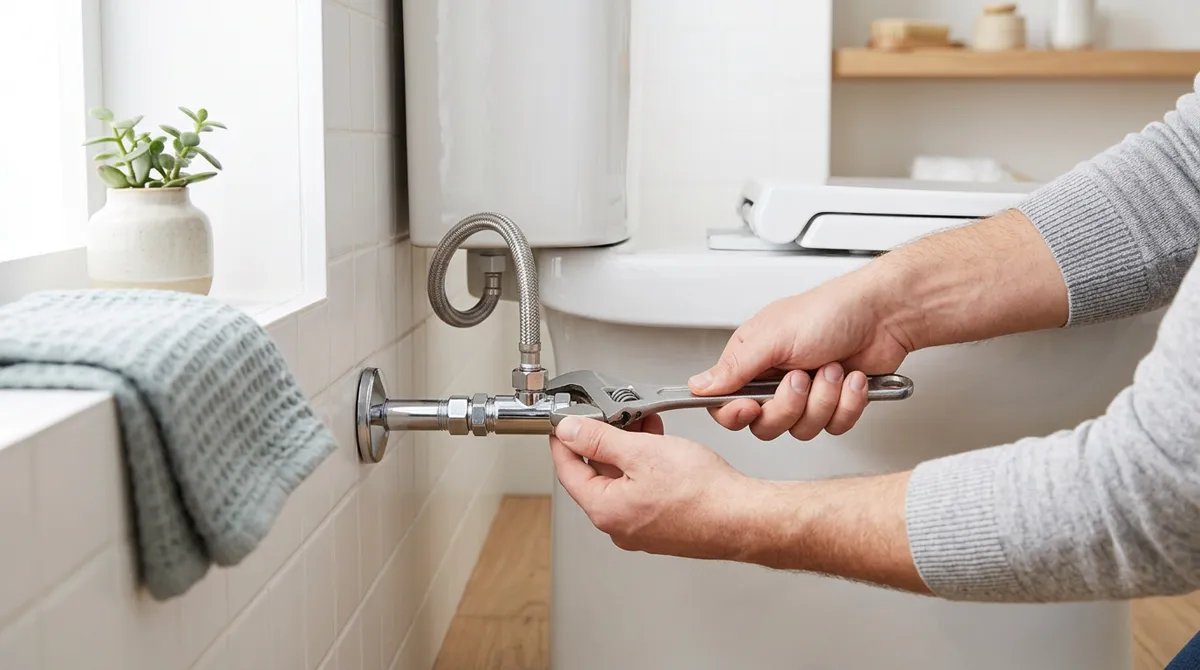
For a standard bidet on a standard toilet, no — you don't need a plumber, and the job is genuinely easier than its reputation. No pipes get cut, nothing is soldered, and nothing permanent happens to your bathroom. You're inserting a T-shaped adapter between the shut-off valve already on your wall and the hose already feeding your toilet tank, then connecting the bidet to the branch. It's hand-tight fittings and an adjustable wrench, typically 15 to 30 minutes.
But the honest version of this answer has a caveat that most retailer pages skip, and it's worth knowing before you start: the riskiest part of a bidet installation isn't the bidet. It's the shut-off valve on your wall. Turning off a valve that hasn't moved in fifteen years is exactly the moment you discover it's seized, or that it won't reopen, or that it weeps once disturbed. That's a plumber's problem, not a bidet problem — but it's a bidet installation that surfaces it.
There's also a trade mix-up worth clearing up immediately. A large share of people who search for a plumber actually need an electrician, because their obstacle isn't water at all — it's the absence of an outlet near the toilet for an electric seat. Below: why the standard install is straightforward, the five situations that genuinely warrant a plumber, when you need an electrician instead, and the signals that mean stop and call someone.
Ready for the easy version? Start with a simple attachment.
See our picks →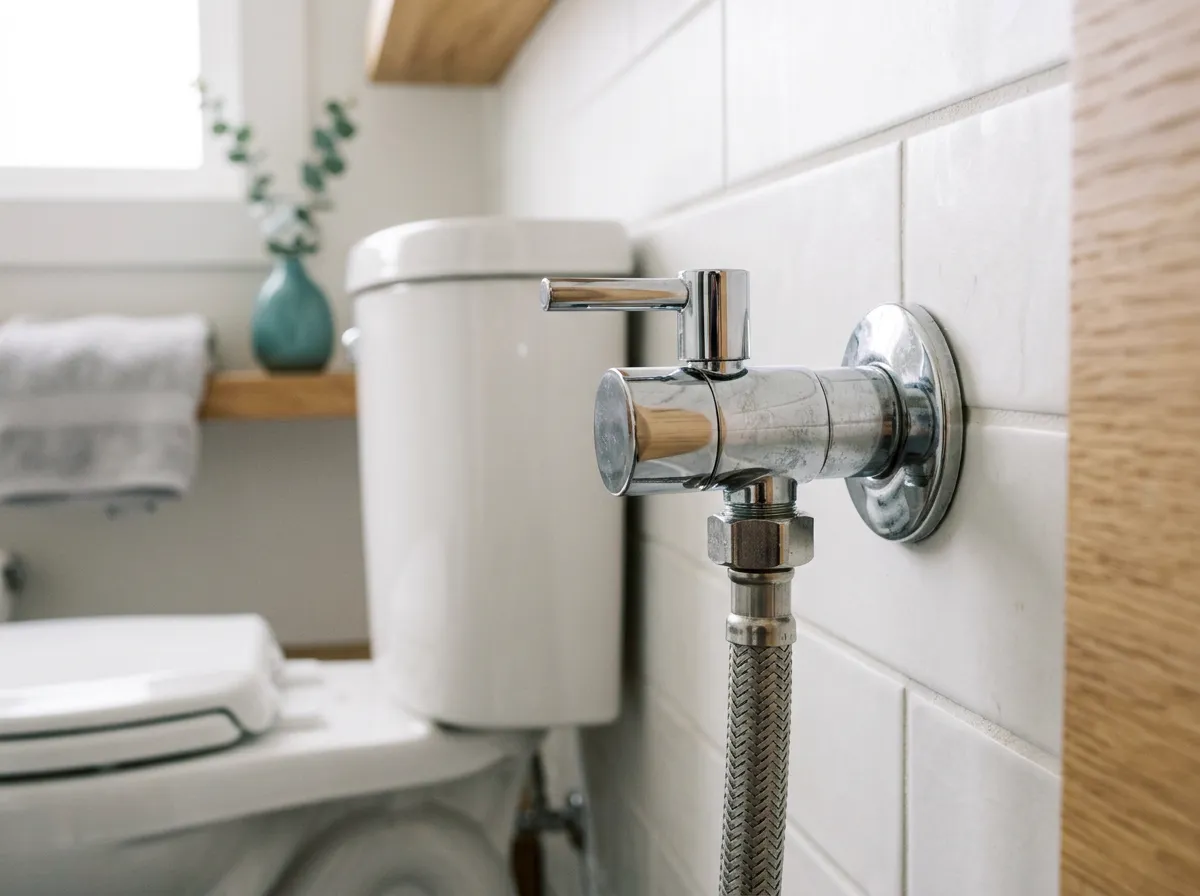
Why a standard bidet install isn't really plumbing work
The reason this job is DIY-friendly is that it doesn't modify your plumbing — it interrupts it reversibly. A T-valve (or T-adapter) sits between your existing shut-off and the toilet's fill hose, passing most of the water through to the tank and diverting the rest to the bidet. Every connection is a threaded compression fitting with a rubber seal, the same kind of joint you'd make replacing a shower head. Nothing is glued, soldered, or cut, and removing the bidet later restores the toilet exactly as it was. That reversibility is why attachments work fine in rentals, and it's why the skill required is closer to assembling furniture than to plumbing.
The real risk: your shut-off valve, not the bidet
Here's the part worth taking seriously. To install anything, you have to close the shut-off valve behind the toilet — and on older homes that valve may not have been turned in a decade or more. Multi-turn valves seize with mineral buildup and corrosion; some close but then refuse to fully reopen, and some start weeping from the packing nut once disturbed. None of that is caused by the bidet, but the installation is what reveals it, and it converts a 20-minute job into a plumbing repair. Before you buy anything, go and gently try your shut-off. If it turns smoothly and the toilet refills normally afterward, you're clear. If it's stiff, crumbly, or won't budge with reasonable hand pressure, stop — forcing a corroded valve risks snapping it and turning a small job into an emergency with water running.
Situation 1: There's no accessible shut-off valve
Some older bathrooms have no dedicated toilet shut-off at all, meaning the only way to stop the water is at the house main. You can technically install a bidet that way, but you're working against a whole-house shutoff with no local isolation, which is genuinely worse if anything goes wrong afterward. The right move is to have a plumber add a proper quarter-turn shut-off — a small, common job that pays for itself the first time you need it for anything, bidet or not. The same applies if your existing valve is the old multi-turn type in poor condition: replacing it with a quarter-turn ball valve while someone's already there is cheap insurance.
Situation 2: A skirted or concealed-tank toilet
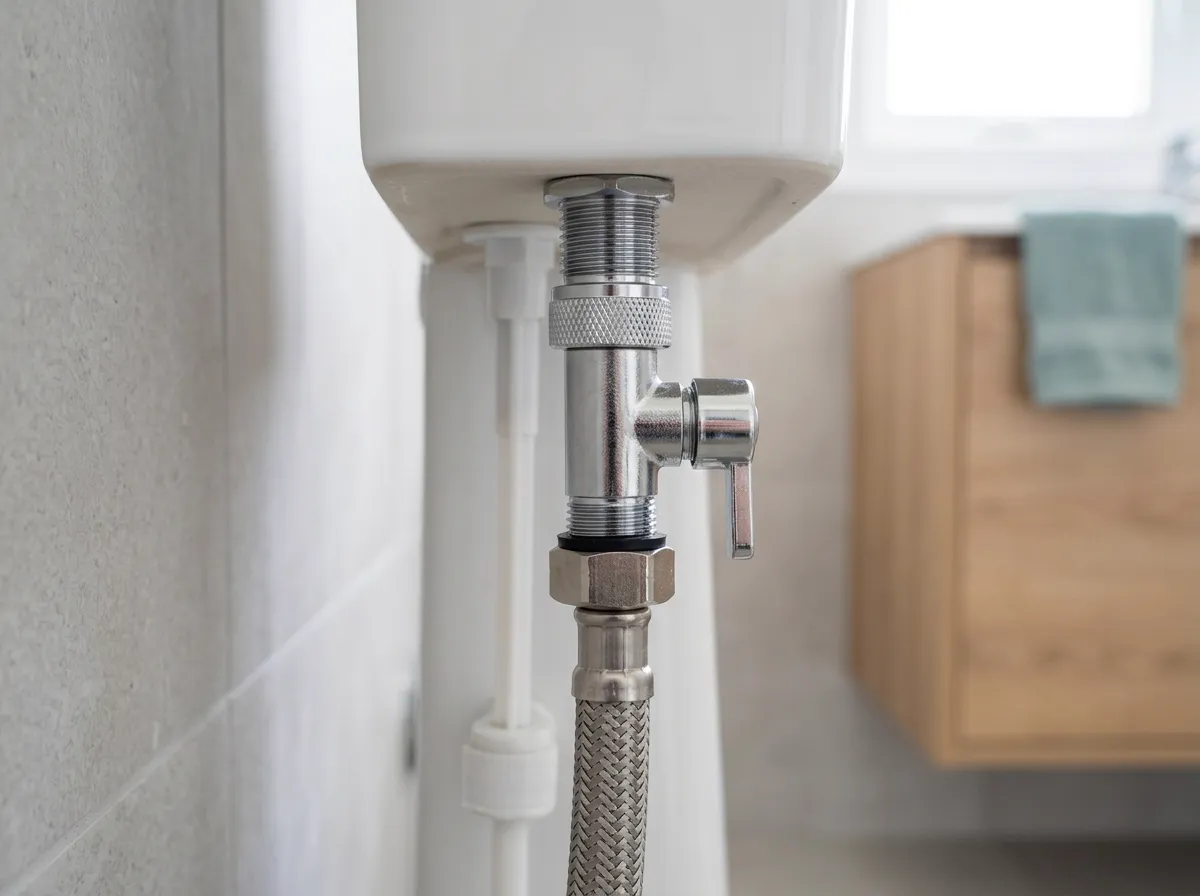
Skirted toilets — the sleek ones with a smooth panel hiding the trapway and connections — complicate this, because the standard T-valve installs at the fill valve under the tank, and a skirt can make that point unreachable. BidetKing sells a specific T-valve for exactly this case, describing it as the answer when you can't access the fill valve under the tank, and the workaround is to install it between the toilet supply hose and the shut-off at the wall instead. So a skirted toilet usually doesn't require a plumber — it requires the right part. Wall-hung toilets with in-wall concealed tanks are a different story: those genuinely can need professional help, since the connections may be behind the wall panel entirely.
Situation 3: You want warm water without electricity
This is the one bidet configuration that is real plumbing. A non-electric warm-water attachment gets its heat by tapping a second supply — a tee off the hot side of your bathroom sink's shut-off — and running a hose from there to the toilet. That means working on a live hot line and routing a line through or around the vanity, which is a step up in both difficulty and consequence: a mistake here leaks hot water inside a cabinet. If you're confident with compression fittings it's doable, but this is the install where hiring a plumber is most defensible, and it's not appropriate for renters at all since it modifies the bathroom's plumbing. Our guide to bidets without an outlet covers the alternatives.
Situation 4: Genuinely low household water pressure
Non-electric bidets run entirely on your line pressure, so if your whole house is weak, the bidet will be weak and no installation technique will fix it. Bio Bidet's troubleshooting guidance points to confirming the supply valve is fully open first, and notes that persistent water supply problems warrant professional plumbing assistance. The distinction that matters: if only the bidet is weak, it's almost certainly a valve, filter, or nozzle issue you can solve yourself. If the shower and faucets are also underwhelming, the problem is upstream — often a failing pressure regulator — and that's a plumber's job that happens to be worth doing regardless of the bidet. Our weak-pressure guide walks the diagnosis in order.
Situation 5: Something already leaks, or you hit a surprise
If your toilet's supply line already weeps, the shut-off drips, or you find corrosion at the connections, deal with that before adding a bidet. A joint that's marginal now will not improve when you disturb it. Likewise, if during installation you find threads that won't bite, a fitting that won't seal after two attempts, or a connection that keeps dripping despite a properly seated seal, stop rather than tightening harder — overtightening cracks plastic fittings and can damage the valve. Bio Bidet notes that a T-valve leak is usually just an improperly seated or missing rubber seal, so check that first; but if reseating the seal doesn't fix it, that's the point to call someone rather than escalating force.
The more common answer: you need an electrician, not a plumber
Most people who hit a wall installing a bidet hit an electrical wall, not a plumbing one. Electric seats need a GFCI-protected, grounded outlet near the toilet — and building code only requires a receptacle within three feet of the bathroom sink, so the wall behind the toilet is usually bare. That's an electrician's job, not a plumber's, and it's typically the larger expense of the two because the wire run drives the cost. It's also entirely avoidable: non-electric attachments need no outlet at all. So the useful triage is — water side, almost certainly DIY; power side, price an electrician or go non-electric. Our no-outlet guide covers all four ways around it.
Tips & warnings
- Before buying anything, test your toilet's shut-off valve. If it turns smoothly and the toilet refills after, the install is straightforward.
- Never force a stiff or corroded shut-off — snapping it turns a 20-minute job into an emergency with the water running.
- A standard install cuts nothing and is fully reversible, which is why attachments are fine in rentals.
- Skirted toilet? You probably need a specific T-valve that connects at the wall shut-off, not a plumber.
- The one genuinely plumbing-grade install is a non-electric warm-water unit teed off your sink's hot line — and it's not renter-appropriate.
- If the shower and faucets are weak too, your problem is house pressure, not the bidet — that's a plumber, and worth fixing anyway.
Frequently asked questions
Do you need a plumber to install a bidet?
Usually not. A standard bidet attachment or seat installs with a T-adapter placed between your existing shut-off valve and the toilet's fill hose — all threaded compression fittings with rubber seals, no cut pipes, no soldering, and fully reversible. Most people finish in 15 to 30 minutes with an adjustable wrench. The main thing that can turn it into a professional job is your shut-off valve: if it's seized, corroded, won't fully reopen, or starts weeping once disturbed, that's a plumbing repair rather than a bidet problem. Test the valve before you buy. You'd also want a plumber if there's no dedicated shut-off at all, if you have a wall-hung toilet with an in-wall tank, or if you're plumbing a non-electric warm-water unit to your sink's hot line. And if your obstacle is no outlet near the toilet, that's an electrician, not a plumber.
Is installing a bidet hard for a beginner?
It's one of the easier home upgrades — closer to assembling flat-pack furniture than to plumbing. You shut off the water behind the toilet, flush to empty the tank, disconnect the fill hose, thread on the T-adapter, reconnect the hose, run the bidet's hose to the unit, and mount the bidet under the seat. The connections are hand-tight plus a gentle turn with a wrench; overtightening is a more common mistake than undertightening. The two things beginners should know: make sure the rubber seals are seated in each fitting before threading, and check every joint for drips over the first day. Our step-by-step install guide walks the whole process.
What if my toilet's shut-off valve is stuck or won't turn?
Stop and call a plumber rather than forcing it. Shut-off valves seize from mineral buildup and corrosion, and older multi-turn valves are especially prone to it after years without being moved. Applying heavy force to a corroded valve risks snapping the stem or the valve body, which leaves you with water running and no local way to stop it — a genuine emergency. A plumber replacing an old valve with a modern quarter-turn ball valve is a small, common job, and it's worth doing regardless of the bidet since you'll need a working shut-off for any future toilet repair. Test your valve before buying a bidet so you find this out on your schedule rather than mid-installation.
Can I install a bidet on a skirted toilet without a plumber?
Usually yes — you need the right part, not a professional. Skirted toilets hide the trapway and connections behind a smooth panel, which can make the fill valve under the tank unreachable, and that's where a standard T-valve normally goes. BidetKing sells a T-valve specifically for this situation, designed to install between the toilet supply hose and the shut-off at the wall instead, moving the connection to an accessible point. With that part the install is otherwise normal. The genuinely difficult case is a wall-hung toilet with a concealed in-wall tank, where the connections may sit behind the wall panel — that one can warrant professional help.
Do I need a plumber or an electrician for a bidet seat?
For most people hitting an obstacle, it's an electrician. The water side of a bidet install is straightforward DIY, but electric bidet seats need a GFCI-protected, grounded outlet near the toilet — and since code only requires a receptacle within three feet of the bathroom sink, the wall behind most toilets has no wiring at all. Adding one means running new wire, which is an electrician's job and typically the bigger expense of the two. You can sidestep it entirely with a non-electric attachment, which needs no outlet and no electrician. The one case that genuinely needs a plumber rather than an electrician is a non-electric warm-water unit that tees off your sink's hot line.
Will installing a bidet damage my toilet or void anything?
A standard installation shouldn't damage anything — it adds an adapter to an existing threaded connection and can be fully removed later, leaving the toilet as it was. The realistic risks are self-inflicted: overtightening fittings can crack plastic threads or damage the shut-off, and forcing a corroded valve can break it. Go hand-tight plus a modest turn, and stop if something won't seal rather than applying more force. If you rent, an attachment or seat is reversible and generally uncontroversial, but running a new hot-water line to the toilet is a plumbing modification and not something to do without the owner's permission. Check your toilet manufacturer's guidance if you're concerned about a specific model.
Sources
- Bio Bidet — troubleshooting guide (T-valve seals, supply valve)
- BidetKing — T-valve for skirted toilets
- BidetKing — bidet seat electrical outlet FAQ