
Toilet Parts Diagram: Every Part, Named and Explained
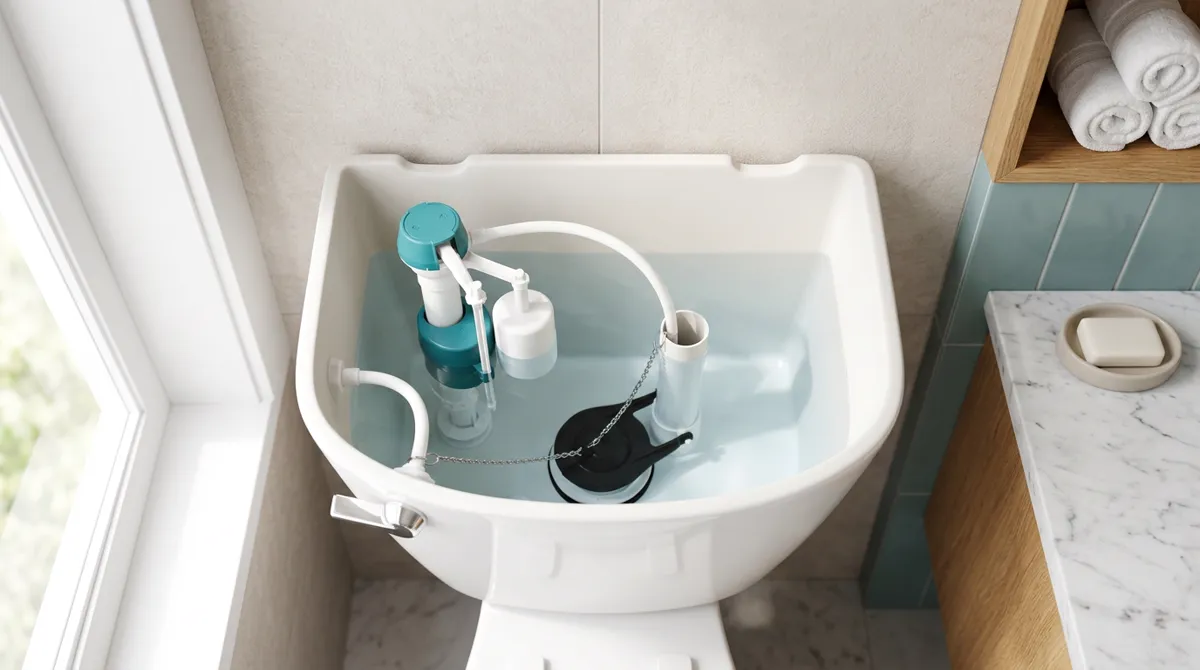
A standard two-piece toilet has about a dozen working parts, split between the tank (which stores and releases the water) and the bowl (which routes it away). Almost every common toilet problem — running, weak flush, a leak at the base — traces back to one specific part. Tap any labelled point on the diagram to see what it is, what it does, and how it fails.
Tap a part on the diagram
Numbered points are clickable. On a phone, tap a number or use the list underneath.
Tap a numbered point on the diagram — or any part in the list below — to see what it does and how it fails.
What each part looks like
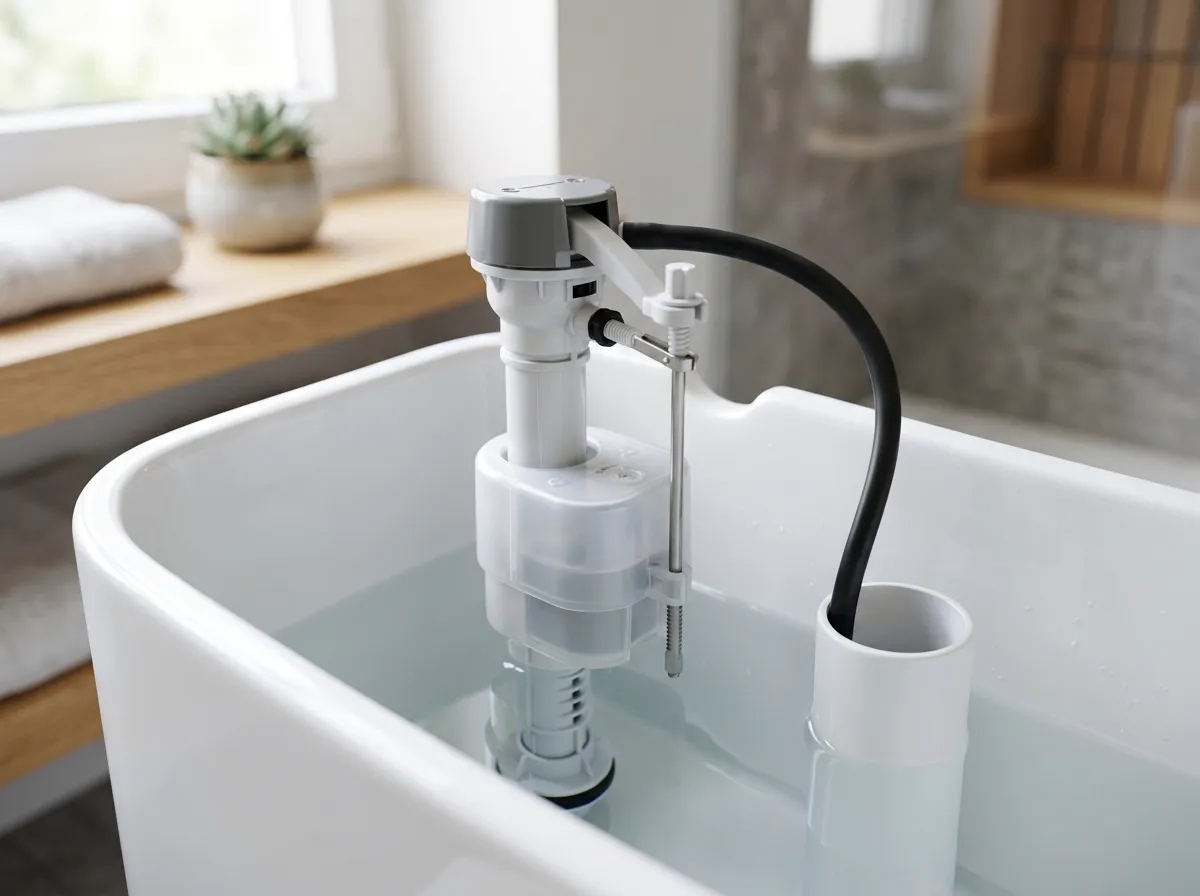
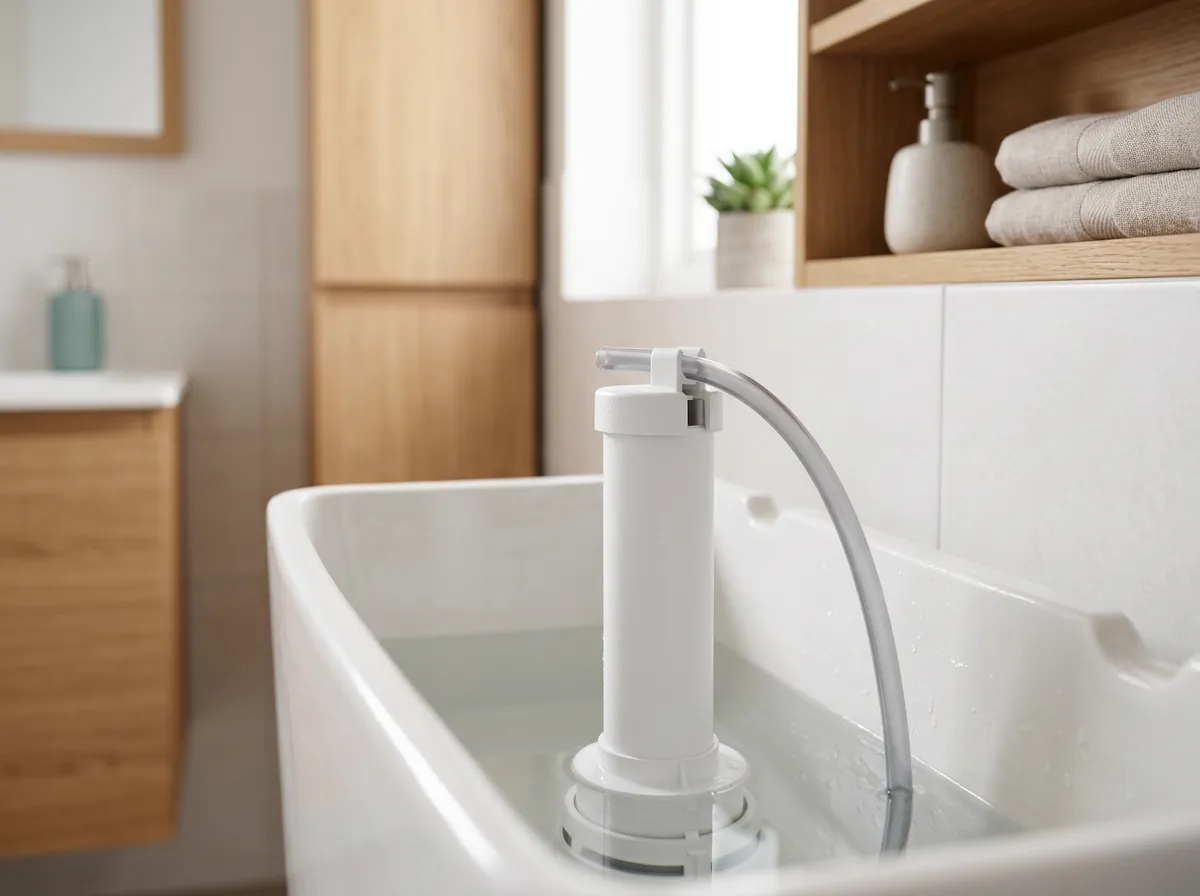
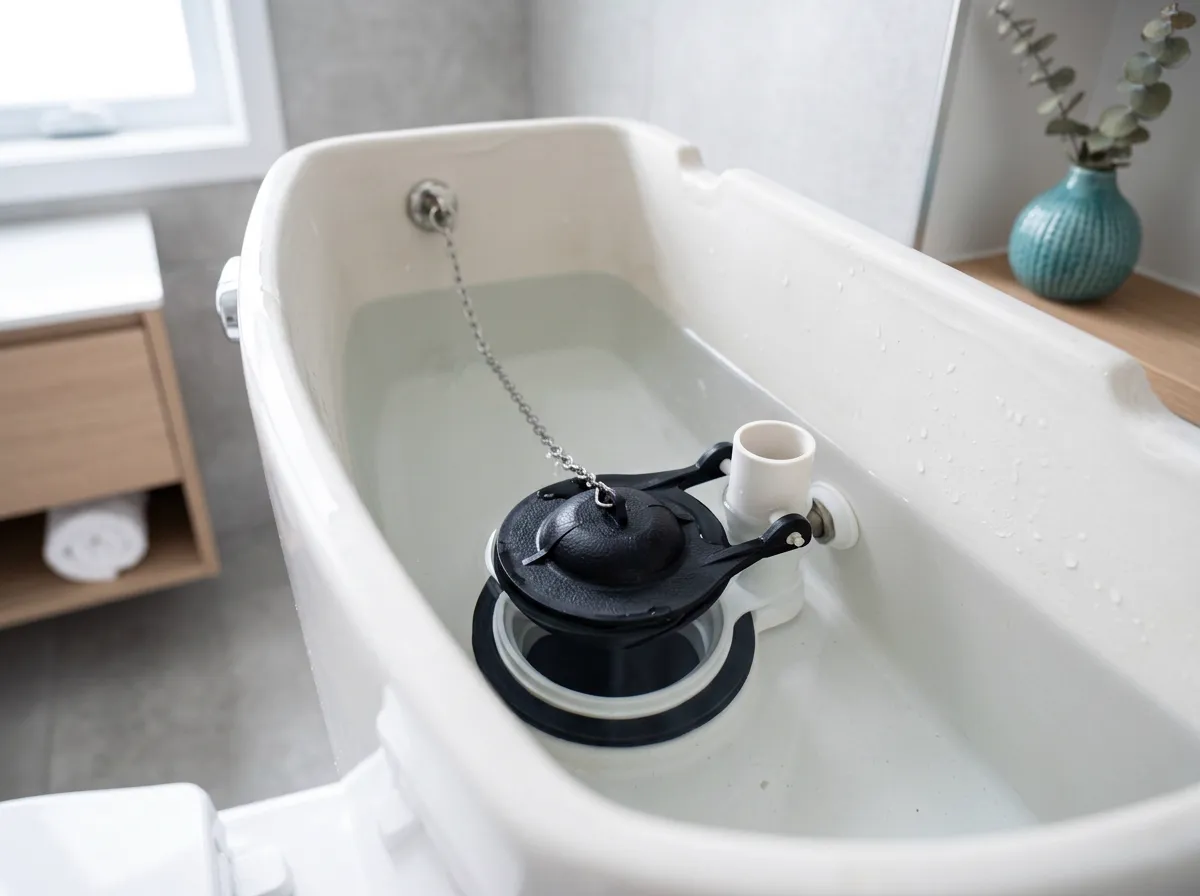
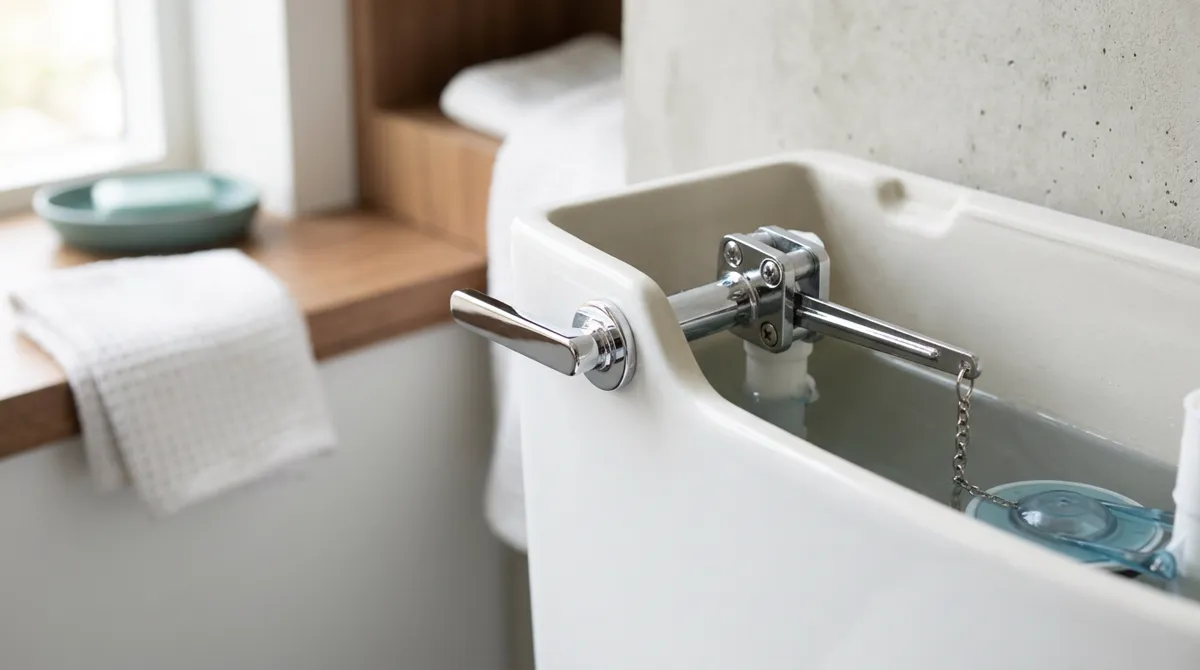
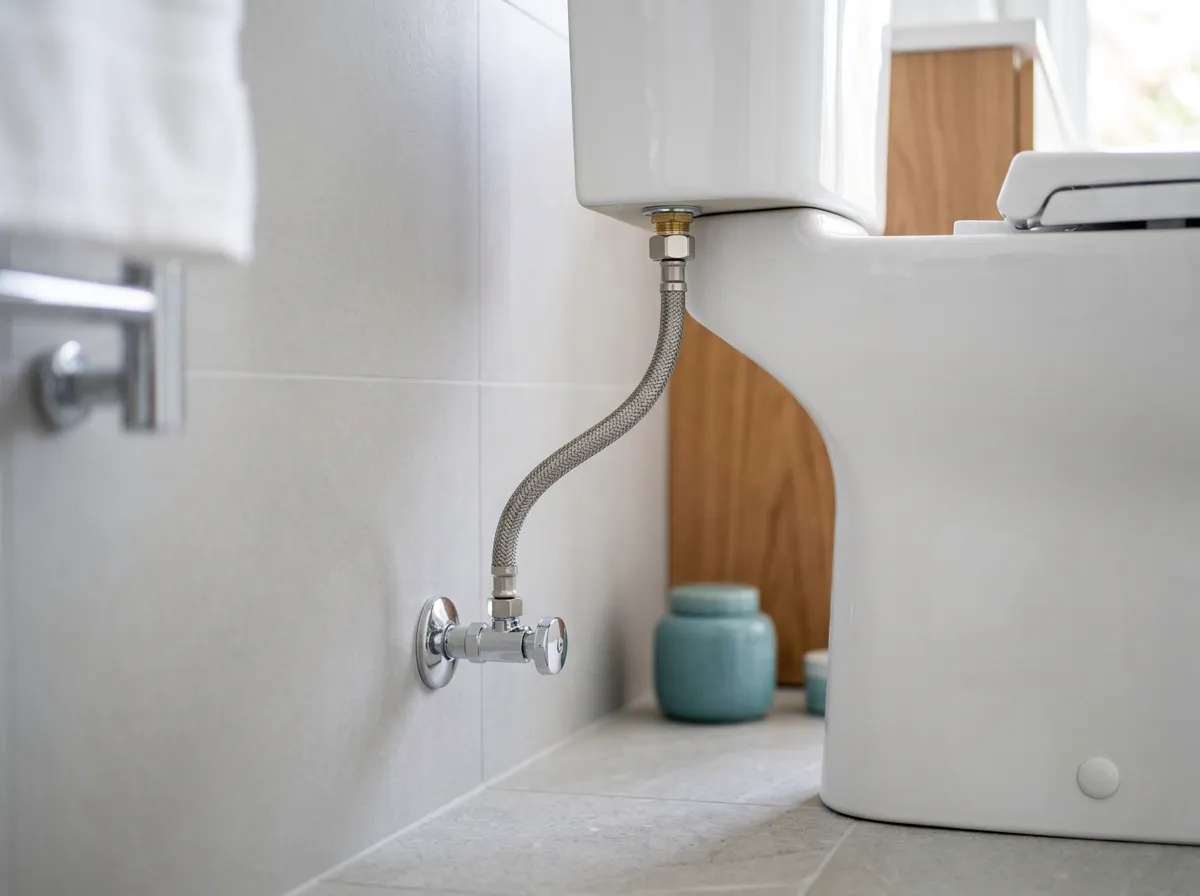
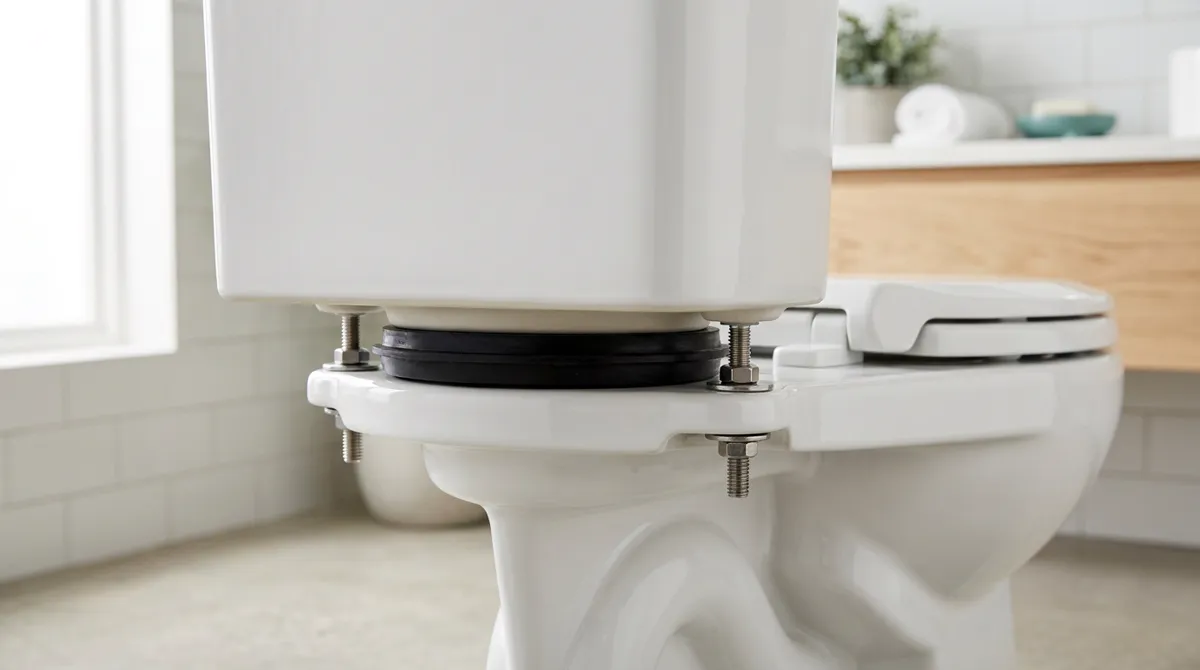
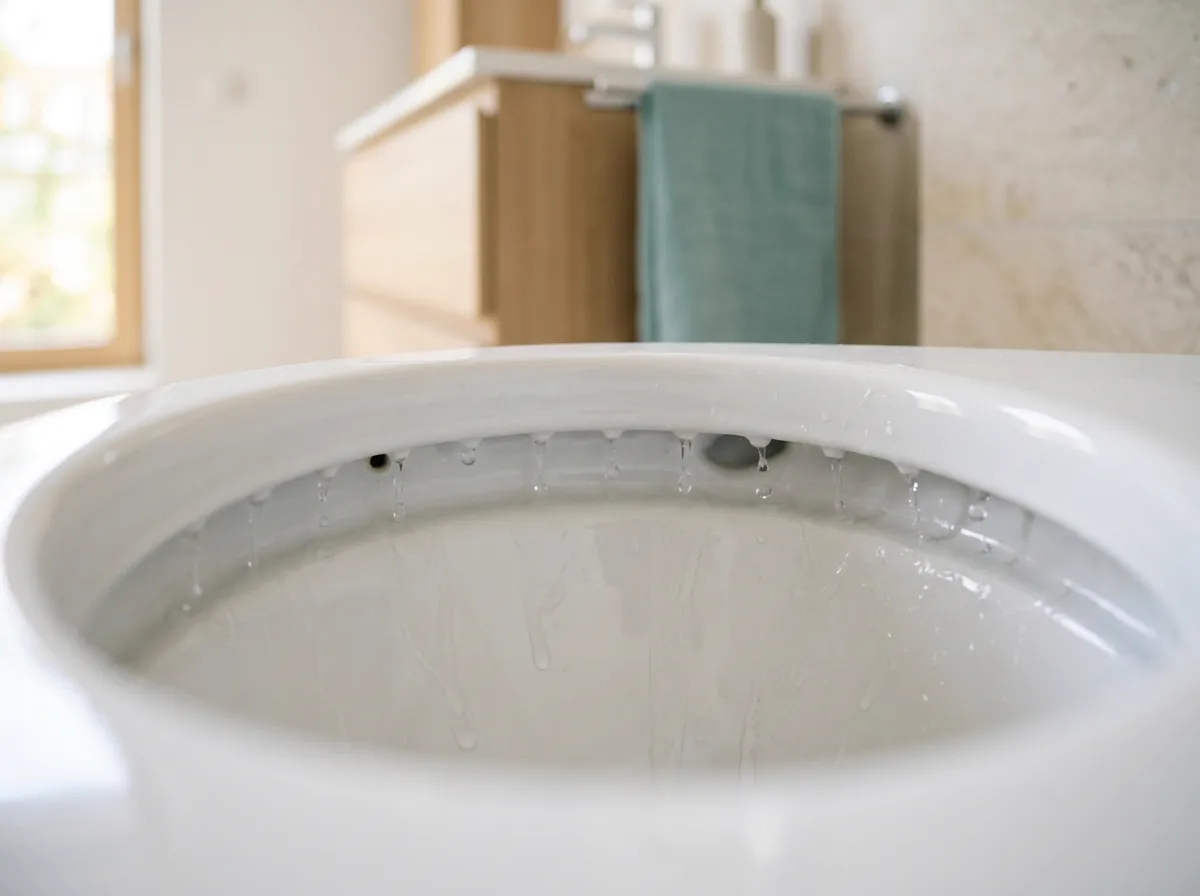
Illustrations of the parts named on the diagram, in the order you meet them working down the tank and into the bowl. These are generated illustrations, not photographs of any particular product.
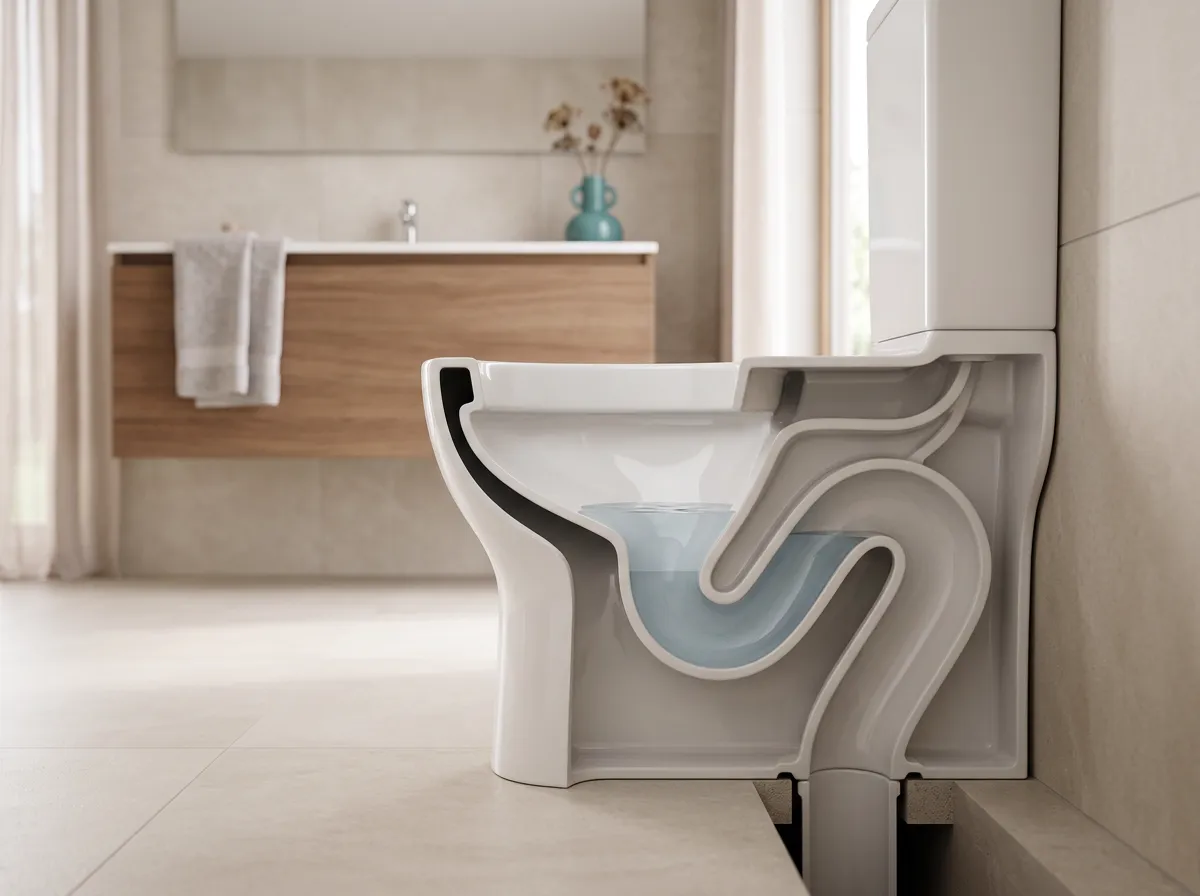
Every toilet part, explained
How to read the diagram
The tank is a holding vessel with one job: store a measured amount of water and dump it fast enough to start a siphon in the bowl. Everything in it is either letting water in (fill valve, float, supply line) or letting it out (handle, flapper, flush valve). If your toilet runs, hisses, or refills by itself, the fault is almost always in one of those two groups.
The bowl has no moving parts at all. It is a fixed piece of china containing a built-in S-bend — the trapway — that holds standing water to block sewer gas and then siphons the contents away when the tank dumps. Because nothing in the bowl moves, bowl problems are nearly always a blockage, a mineral-clogged rim, or a failed seal underneath rather than a broken component.
Before you touch anything: turn the shutoff valve (part 8) clockwise to stop the water, then flush to empty the tank. If the shutoff is seized or will not fully close — common in older buildings — stop there and call a plumber or your building's maintenance. A valve that snaps off is a much bigger problem than the one you started with.
Sources
The refill-tube and tank-to-bowl leak details on this page follow these manufacturers' instructions.
- Korky — How to Replace a Toilet Fill Valve
- Fluidmaster — 400A Fill Valve Installation Instructions (PDF)
- Fluidmaster — 400AKC/400AFSC Complete Toilet Repair Kit Instructions (PDF)
- Korky — How to Fix a Leak Between Toilet Tank and Bowl
Frequently asked questions
What are the parts of a toilet called?
A standard two-piece toilet has twelve parts worth knowing. In the tank: the fill valve (refills the tank), the float (tells the fill valve when to stop), the flapper (the rubber seal that releases the water), the flush valve and overflow tube (the outlet the flapper covers, plus the standpipe that prevents overfilling), the flush handle and trip lever (what you push), the refill tube (sends a small stream to the bowl while the tank refills), the tank-to-bowl gasket and bolts (seal the two pieces together), and the supply line and shutoff valve (water in from the wall). In and under the bowl: the seat and hinges, the rim holes and siphon jet (where flush water enters), the trapway (the built-in S-bend that holds standing water), and the wax ring, flange and closet bolts (the seal and fixing to the floor).
What are the parts inside a toilet tank?
Six things, and they divide neatly into water-in and water-out. Water in: the fill valve (the tall tower, sometimes called a ballcock), the float attached to it, and the supply line feeding it from the shutoff valve on the wall. Water out: the flush handle and its trip lever, the chain, and the flapper that lifts off the flush valve seat. The overflow tube is the vertical standpipe in the middle — it is part of the flush valve assembly, and its job is to send water down into the bowl rather than onto your floor if the fill valve ever fails to shut off. The refill tube clips to the top of it; pushed down inside, it can create a siphon, Korky warns.
Which toilet part causes a running toilet?
Usually the flapper. It is a rubber seal that degrades with age, mineral deposits and cleaning chemicals, and once it stops seating cleanly, water trickles from the tank into the bowl continuously — that is the running sound. The second suspect is the fill valve, which can fail to shut off and send a steady stream down the overflow tube. There is a quick way to tell them apart: if water is visibly spilling into the overflow standpipe, the problem is the fill valve or the float setting; if the tank level is below the standpipe and still dropping, the problem is the flapper.
Do toilet parts fit all toilets?
Tank internals are largely universal. Fill valves, flappers and handles are sold as standard replacement parts and fit the great majority of two-piece toilets, though flapper diameter comes in two common sizes, and a few brands use proprietary canister flush valves instead of a flapper. What is not universal is anything that touches the china: seats come in round and elongated shapes with different bolt spreads, and tank-to-bowl gaskets vary by model. When in doubt, take the old part to the store, or photograph it next to a ruler before ordering.
What is the trapway on a toilet?
The trapway is the S-shaped channel moulded into the back of the bowl, running from the bowl outlet down to the floor drain. It does two things at once: it holds a standing pool of water that seals sewer gas out of your bathroom, and its shape is what allows a flush to start a siphon and pull the bowl's contents away. It is also where nearly every clog lodges, because it is the narrowest point in the whole system. Because it is moulded into the china, a trapway cannot be repaired — a genuinely cracked one means a new toilet.
What is the wax ring and how do I know it has failed?
The wax ring sits between the bottom of the toilet and the closet flange in the floor, compressing into a watertight seal when the toilet is bolted down. The classic symptom of failure is water appearing around the base of the toilet after a flush, or a persistent smell with no visible leak. A rocking toilet is a common cause, because the movement breaks the seal, which is why loose closet bolts are worth checking before assuming the worst. Replacing one means lifting the toilet off, so it is the one job on this diagram most people hand to a plumber.