
How to unclog a toilet
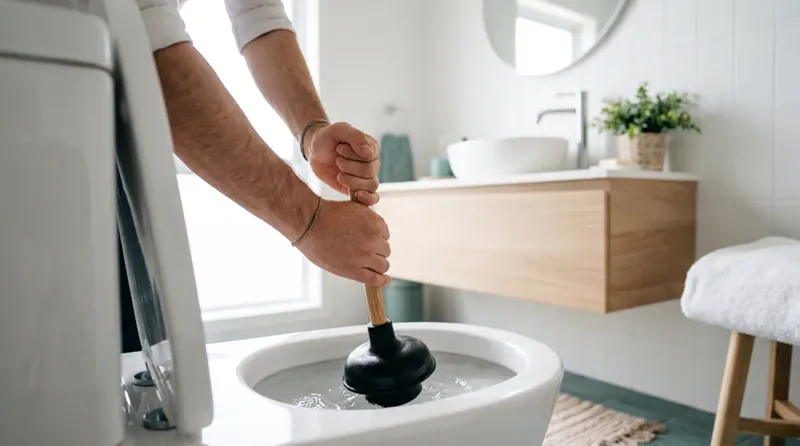
A clogged toilet is one of the most common bathroom emergencies, and the good news is that most clogs clear in a few minutes with the right tool and technique. The hero of the job is a flange plunger (the kind with a soft rubber sleeve that folds out at the bottom), which forms a tight seal and pushes pressure straight into the drain. If plunging alone doesn't do it, a toilet auger reaches deeper into the trap to grab or break up whatever is stuck.
This guide walks you through the safe, beginner-friendly way to handle it: stop the water from rising first, plunge correctly, and step up to an auger only if the plunger fails. Take your time, work calmly, and you'll likely fix it without calling a plumber.
What you'll need
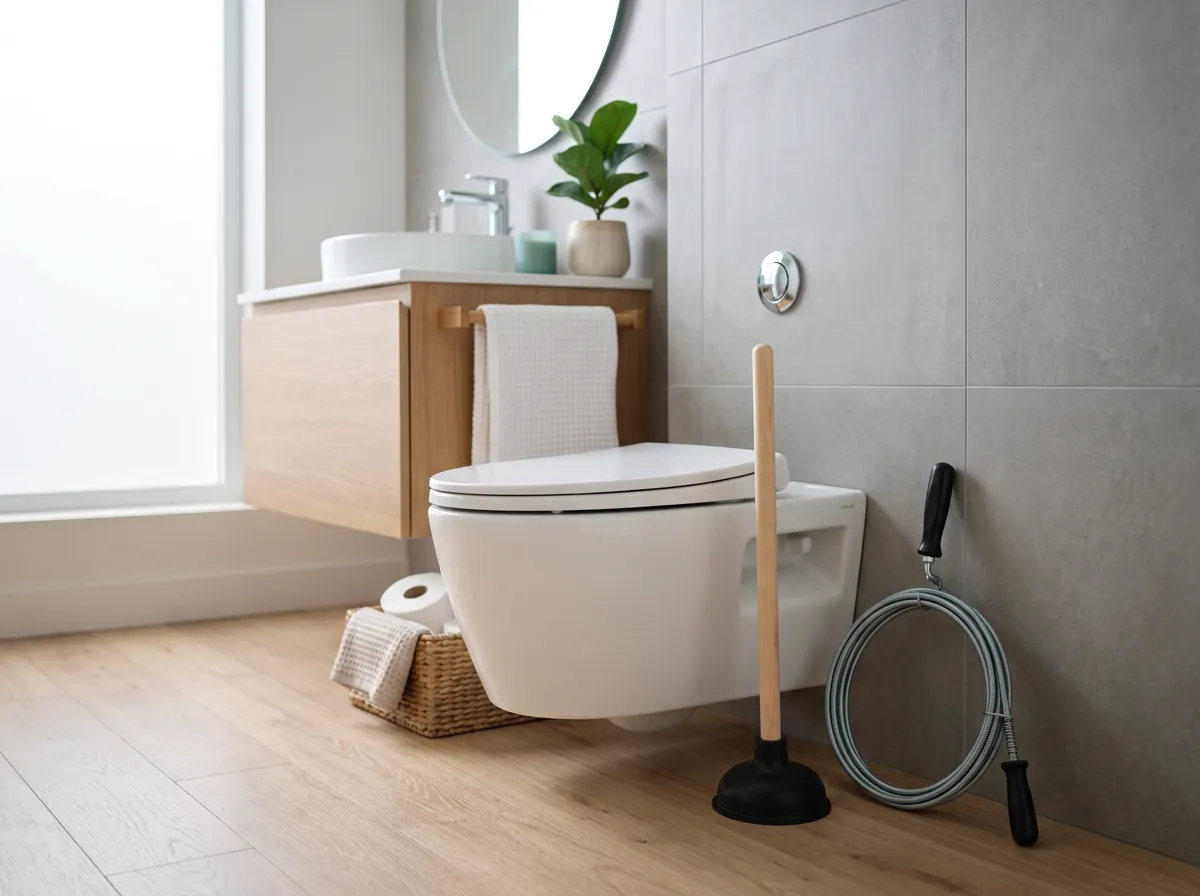
- Flange plunger (toilet plunger with an extended rubber lip, not the flat cup style)
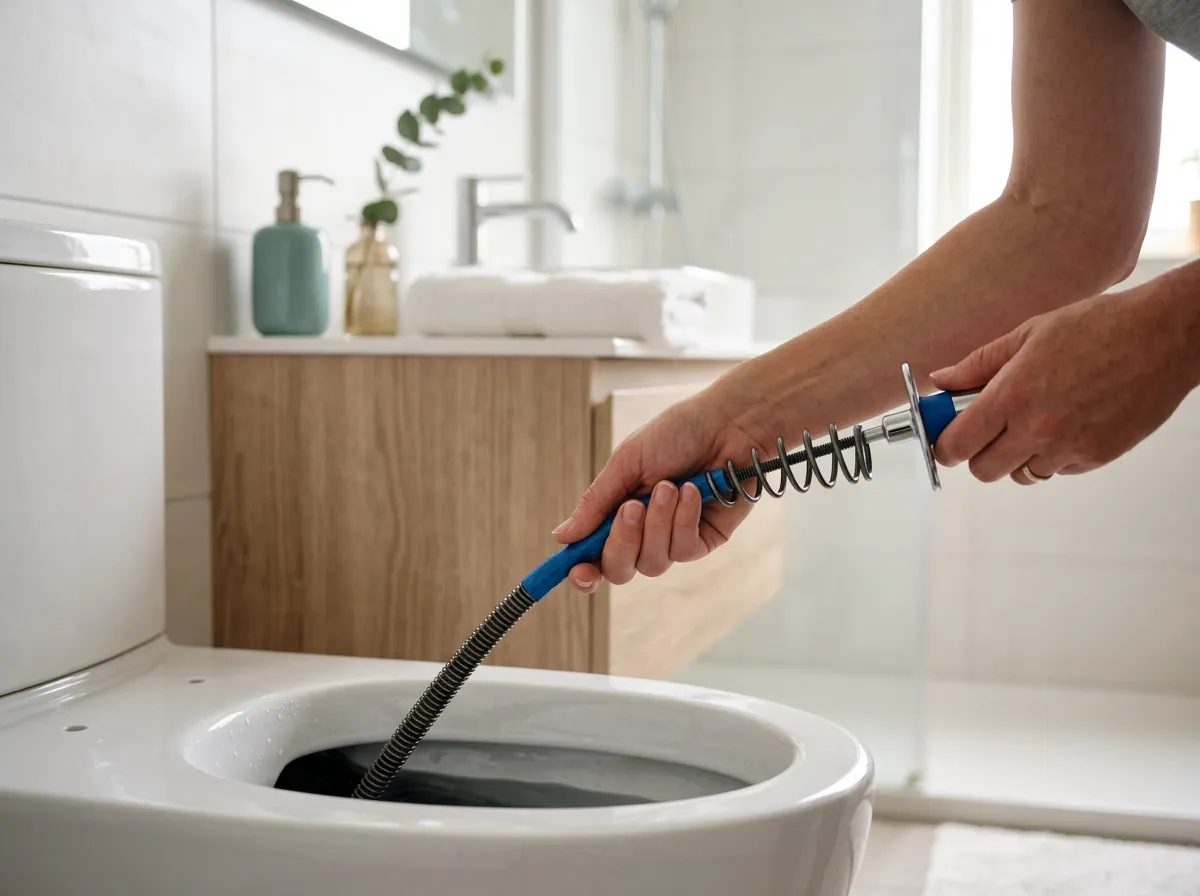
- Toilet auger (also called a closet auger or toilet snake)
- Rubber gloves for plunging; leather work gloves for the auger step (check your auger's sheet on what can go underneath)
- Old towels or newspaper to protect the floor
- A bucket and a cup or small container
- Optional: dish soap and a kettle of hot (not boiling) water
Step by step
- Stop the water before it overflows. If the water is rising toward the rim, do not flush again. Reach behind the toilet and turn the supply valve clockwise to shut off the water. If there's no valve, lift the tank lid and press the rubber flapper down to seal it, then lift the float to stop the tank from refilling.
- Protect the area and check the water level. Lay towels or newspaper around the base, put on rubber gloves, and open a window for ventilation. The bowl should be about half full of water so the plunger can work. If it's overflowing, bail some out with a cup into a bucket; if it's nearly empty, add a little water so the plunger head stays submerged.
- Seat the flange plunger and get a tight seal. Fold the rubber flange out and lower the plunger into the bowl at an angle so it fills with water instead of air. Press it down over the drain opening so it sits snugly and forms a complete seal. A water-filled seal pushes pressure into the clog far better than trapped air does.
- Plunge with steady, deliberate strokes. Start with a few gentle pushes to release trapped air without splashing. Then plunge straight up and down with a steady series of firm, even strokes, keeping the seal intact. The upward pull is just as important as the downward push, since it rocks the clog loose from both directions.
- Flush and repeat if needed. Lift the plunger and watch the water. If it drains quickly, the clog is clear; flush once to confirm the bowl empties and refills normally. If it drains slowly or not at all, re-seat the plunger and run another round or two of strokes. A pot of hot (not boiling) water and a squirt of dish soap left to sit for several minutes can also help soften a stubborn clog before you plunge again.
- Switch to a toilet auger if plunging fails. After a few full plunging cycles with no change, stop plunging and switch to the auger. Wear leather work gloves: RIDGID's K-6P toilet-auger instructions add latex or rubber gloves underneath when bacteria or chemicals are suspected, while General Pipe Cleaners says leather only, never rubber, cloth or coated gloves, so follow your auger's own sheet. Draw the cable back into the guide tube and seat the tube's end in the drain opening at the bottom of the bowl. Crank clockwise while pushing down, without forcing the cable, until the head pushes the blockage through or catches it. Keep the tube in the drain until the cable is fully retracted and has stopped turning, then lift the auger out.
- Test the drain and clean up. Flush the toilet and watch a full cycle to confirm the water drains and refills properly. If the supply valve was off, turn it back on counterclockwise. Disinfect the plunger and auger, wash your hands, and dispose of the towels or newspaper.
Tips & warnings
- Never flush a clogged toilet repeatedly to test it. Each flush adds water with nowhere to go and is the most common cause of an overflow and floor mess.
- Skip the flat cup-style plunger for toilets. It's made for flat sink and tub drains and can't form a seal in a curved bowl. The flange (toilet) plunger is the right tool.
- Avoid chemical drain cleaners in toilets. If one doesn't clear the clog, you're left plunging or augering through it, and General Pipe Cleaners warns that corrosive drain cleaners can cause serious burns and damage an auger's cable.
- If the bowl is full or overflowing, bail out water first so plunging doesn't splash contaminated water onto you and the floor.
- If repeated plunging and augering don't work, or several toilets and drains back up at once, stop and call a plumber. That pattern points to a deeper main-line blockage that DIY tools can't reach.
Frequently asked questions
Will a regular cup plunger work on a toilet?
It works poorly. A flat cup plunger is designed for flat sink and tub drains and can't seal against a toilet's curved opening, so the pressure escapes. A flange plunger has an extra rubber lip that folds out to fit the drain and create a strong seal, which is why it clears toilet clogs much more reliably.
Can you use a drain snake on a toilet?
Not a regular drain snake. Use a toilet auger (a closet auger): its cable runs inside a guide tube with a vinyl or rubber bowl guard that protects the porcelain, and the tube, seated in the drain, stops the cable whipping. RIDGID's K-26 drum snake is listed for sinks, tubs, drinking fountains, lavatories, urinals and vent pipes, not toilets, and its listed features include no guide tube or bowl guard. A clog past a toilet auger's 3 or 6 feet of cable is in the drain line, and a job for a plumber. See how to use a toilet auger for the full steps.
Is it safe to pour boiling water into the toilet?
No, use hot water instead. American Standard advises against pouring boiling water onto ceramic fixtures such as toilets, because it can make the material expand rapidly and potentially fracture it, which can lead to injury or leaks. Hot tap water with a little dish soap can help loosen a clog before you plunge.
How do I stop the toilet from overflowing right now?
Turn the shutoff valve behind the toilet clockwise to cut the water. If you can't reach it, take off the tank lid, press the rubber flapper down to seal the drain, and hold or prop the float up so the tank stops refilling. Then bail out excess water before you start plunging.
What if the plunger and auger both fail to clear it?
Stop using force, since forcing an auger can kink or break its cable, and more pressure can push the clog tighter. Repeated failure, or multiple fixtures backing up at once, usually means a blockage deeper in your drain or main line. That's the point to call a licensed plumber rather than keep trying.
Sources
- RIDGID — K-6P Powered Toilet Auger instructions (PDF)
- RIDGID — K-3 Toilet Auger
- RIDGID — K-3 and K-6 Toilet Augers catalog sheet (PDF)
- RIDGID — K-26 Hand Spinner
- General Pipe Cleaners — Flexicore and Teletube Closet Auger operating instructions (PDF)
- Cobra Products — 3/8 in. x 3 ft. Toilet Auger (42030)
- American Standard — Can I use boiling water for cleaning ceramics such as toilets or bathroom vanities?