
Best Toilet Augers
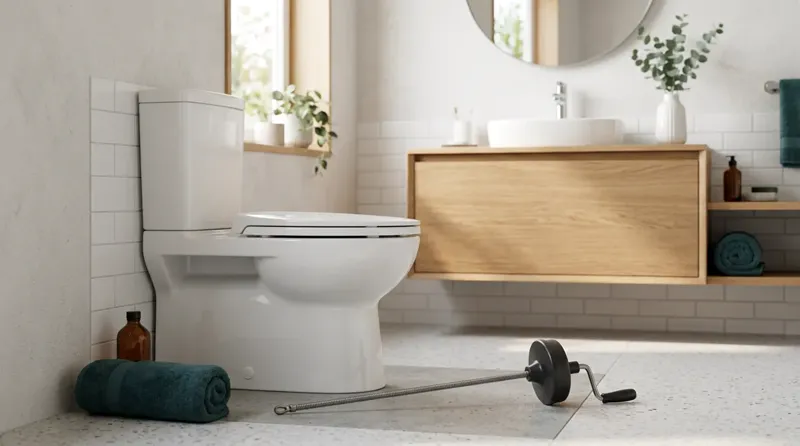
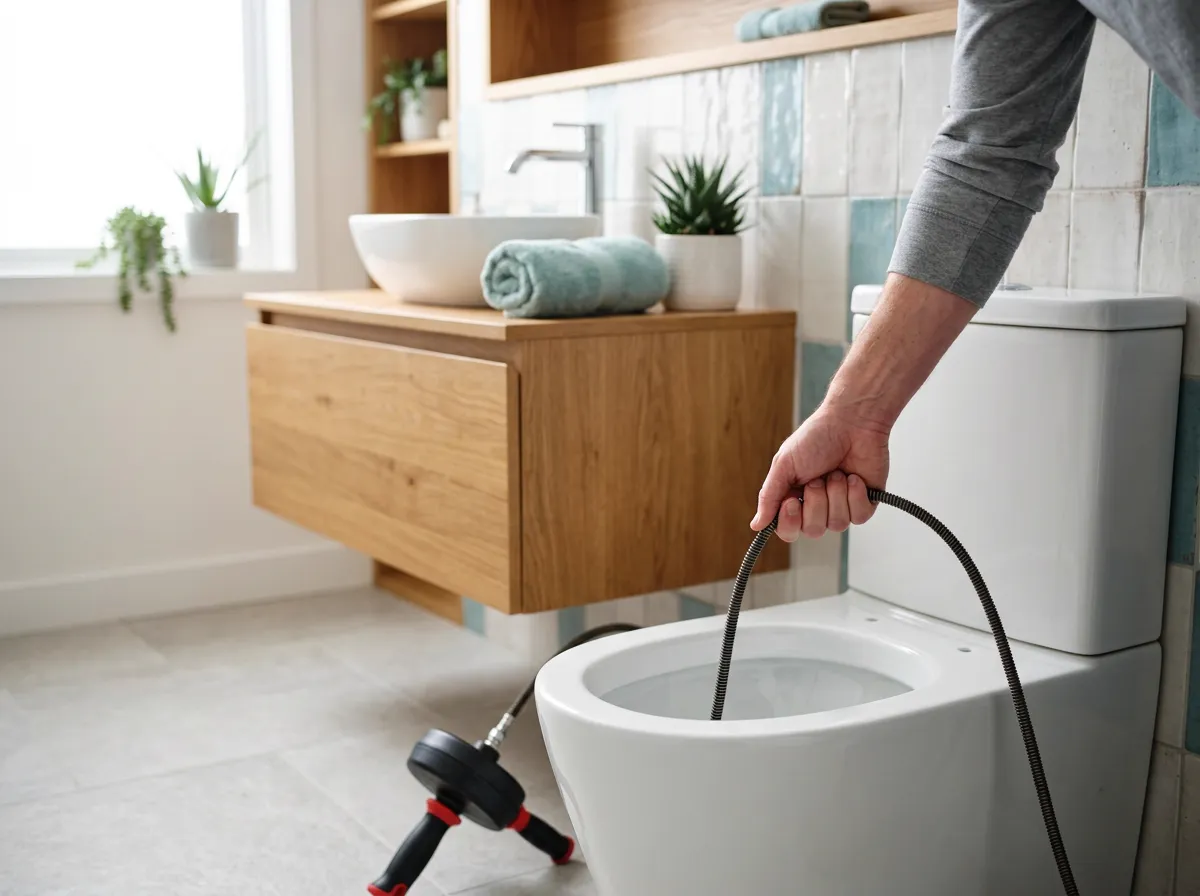
A toilet auger (also called a closet auger or toilet snake) is the right tool for a clog a plunger can't budge. Instead of pushing, it threads a flexible steel cable down through the bowl's trap and into the curved closet bend, then spins to grab or break apart whatever is stuck.
It is not the same as the long open drain snakes you'd use on a sink or floor drain. A toilet auger has a short cable inside a curved guide tube, with a rubber or vinyl bowl guard that keeps the cable from scratching the porcelain.
Below are five augers worth owning in 2026, from a cheap-but-real budget pick to a 6-foot drill-powered hybrid. Every one is a true closet auger built for toilets, and every Amazon link points to the exact model named.
| # | Pick | Price | Rating | |
|---|---|---|---|---|
| 1 | Best Overall RIDGID 59787 K-3 Toilet Auger (3-Foot, Bulb Head) A pro-grade 3-foot closet auger with a bulb head and a vinyl guard, built to clear toilet clogs without scratching the porcelain. |
$45-$55 | ★★★★★ 4.8 | Check price |
| 2 | Best Cable Quality General Pipe Cleaners 3FL-DH Flexicore Closet Auger (Down Head) A professional closet auger with General's patented double-layer Flexicore cable and a down head that follows the bowl's contours into the trap. |
$50-$70 | ★★★★★ 4.7 | Check price |
| 3 | Best Budget Cobra Plumbing 42030 Standard Toilet Auger (3/8-in. x 3 ft.) An inexpensive 3-foot toilet auger with a rubber bowl guard that handles everyday clogs for a fraction of the pro models' price. |
$15-$25 | ★★★★☆ 4.2 | Check price |
| 4 | Best Power & Reach RIDGID 59802 K-6DH Hybrid Toilet Auger (6-Foot, Drill-Ready) A 6-foot drop-head auger that you can crank by hand or chuck into a cordless drill running under 500 RPM. |
$70-$95 | ★★★★★ 4.6 | Check price |
| 5 | Best for Frequent Clogs Cobra Plumbing 44030 Heavy Duty Toilet Auger (1/2-in. x 3 ft.) A beefed-up 1/2-inch auger that brings near-pro cable strength to tough, repeat clogs at a mid-tier price. |
$25-$40 | ★★★★☆ 4.3 | Check price |
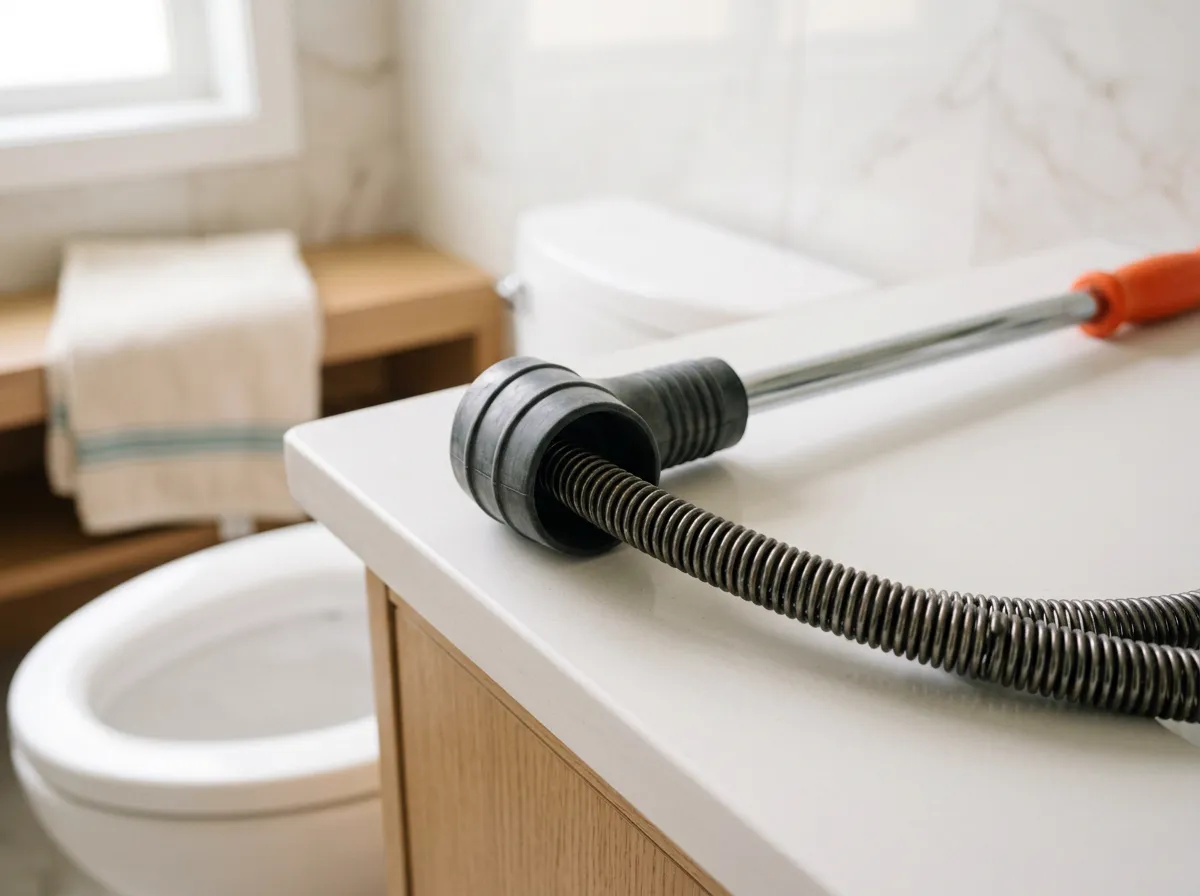
RIDGID 59787 K-3 Toilet Auger (3-Foot, Bulb Head)
Key features: 3 ft. of kink-resistant 1/2-inch inner-core cable · Bulb head for all-purpose cleaning · Vinyl guard protects the bowl from scratches · Large ergonomic crank and grip handles · Lifetime warranty against defects
Pros
- Kink-resistant tri-wrap cable built to clear tough blockages
- Vinyl guard keeps the porcelain scratch-free
- Zinc-plated steel tube helps resist corrosion
- Backed by RIDGID's lifetime warranty
Cons
- Only 3 feet of reach, so a clog past the toilet needs a longer tool
- Costs more than basic hardware-store augers
Who it's for: Homeowners who want a buy-it-once tool for the everyday clogs a toilet auger is built for, without marring the bowl.
General Pipe Cleaners 3FL-DH Flexicore Closet Auger (Down Head)
Key features: 3 ft. Flexicore cable (two layers of spring wire on a wire-rope core) · Down head follows bowl contours · Brass-finish steel guide tube · Vinyl bowl guard and grip handle · Cable retention clip
Pros
- Cable resists kinking and breaking, yet flexes through low-flow toilets
- Down head feeds smoothly through tight traps
- Vinyl bowl guard protects the bowl against scratching
Cons
- Priced like a professional tool
- Down head can be harder to retrieve hard objects than a bulb head
Who it's for: DIYers and landlords who plan to use an auger often and want General's kink- and break-resistant Flexicore cable.
Cobra Plumbing 42030 Standard Toilet Auger (3/8-in. x 3 ft.)
Key features: 3 ft. of 3/8-inch cable · Polymer guide tube with rubber bowl guard · Non-slip grip handle · Compact for tight bathroom storage · Widely stocked and easy to replace
Pros
- Very low price for a real closet auger
- Rubber guard helps protect the bowl
- Light and easy to handle for first-timers
- Clears the common soft clogs most homes face
Cons
- Thinner 3/8-inch cable can flex on hard clogs
- Less durable than 1/2-inch pro models
- Short 3-foot reach
Who it's for: Renters and budget-minded homeowners who want a basic, working auger in the closet for the occasional clog.
RIDGID 59802 K-6DH Hybrid Toilet Auger (6-Foot, Drill-Ready)
Key features: 6 ft. reach (quick-lock extension) · 1/2-inch compression-wrapped tri-wrap cable · Drop head auger · Manual crank or battery-drill powered (under 500 RPM) · Vinyl guard plus RIDGID lifetime warranty
Pros
- Doubles your reach versus a 3-foot auger
- Optional drill power for stubborn blockages
- Drop head clears the trap without marring the bowl
- Lifetime warranty on a heavy-duty cable
Cons
- Bigger and heavier to store and handle
- Costs more than a basic 3-foot auger
- Drill mode takes a steadier hand to control
Who it's for: Anyone who wants extra reach and the option of drill power for the worst clogs, without buying a full electric drum machine.
Cobra Plumbing 44030 Heavy Duty Toilet Auger (1/2-in. x 3 ft.)
Key features: 3 ft. of 1/2-inch heavy-duty cable · Polymer guide tube · Rubber bowl guard · Non-slip grip handle · Rust-resistant, high-carbon spring-wire cable
Pros
- Thicker 1/2-inch cable powers through packed clogs
- Contoured rotation and guide handles for a steady grip
- Rubber guard helps keep the bowl scratch-free
- Costs well under the pro brands
Cons
- Still only 3 feet of reach
- Heavier and stiffer to feed than thin-cable augers
Who it's for: Homeowners in houses that clog often, or older homes with narrow traps, who want extra muscle without paying pro prices.
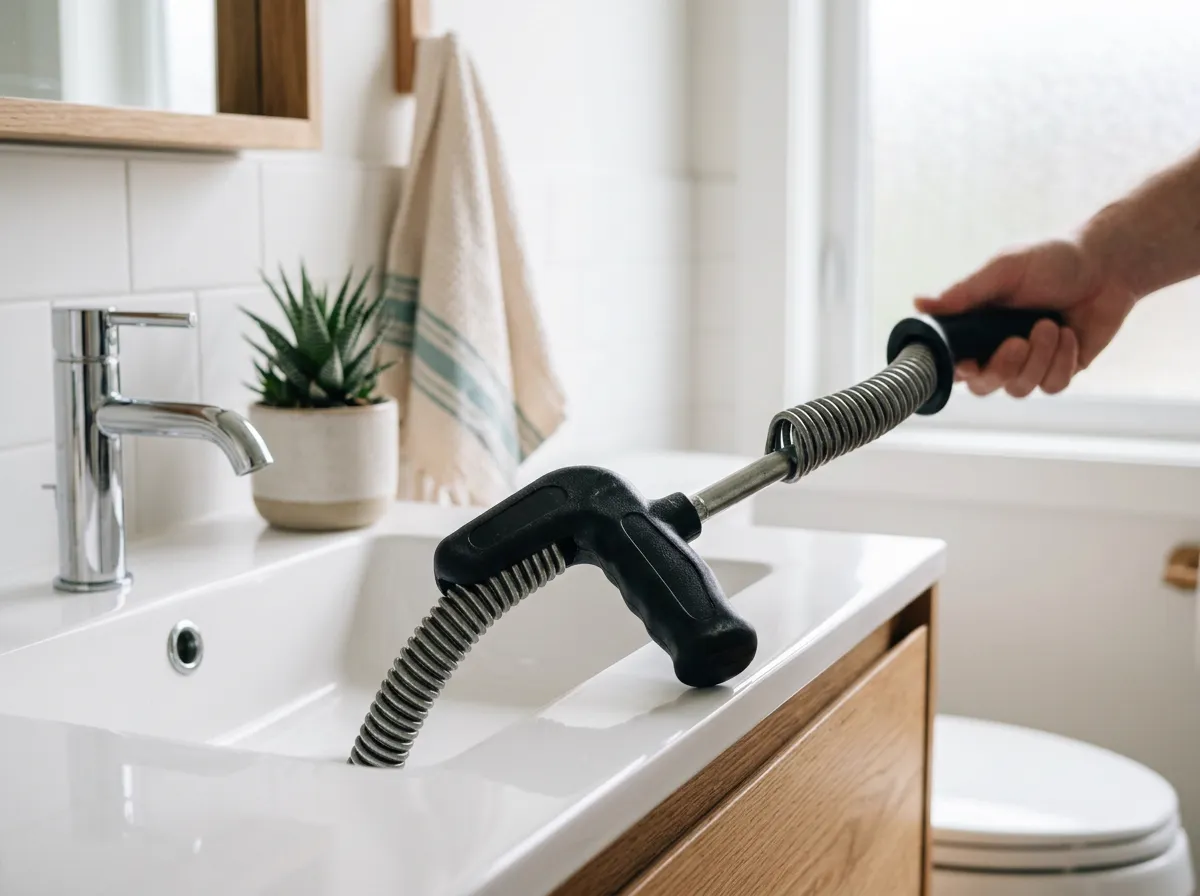
How to use a toilet auger (step by step)
These steps follow two sets of manufacturer instructions: RIDGID's for its K-6P hybrid toilet auger, and General Pipe Cleaners' for its Flexicore and Teletube closet augers. Where your auger's own instruction sheet differs, follow the sheet, since details like the extension button vary by model. If you haven't tried a flange plunger yet, start with our step-by-step guide to unclogging a toilet. The auger is the next tool when plunging fails.
1. Gear up, and check for drain chemicals first. Both makers call for safety glasses and leather work gloves, but they differ on what else you may wear. RIDGID's K-6P instructions say to wear latex or rubber gloves under the leather pair when bacteria or chemicals are suspected. General's say to wear only leather gloves, never cloth, rubber or coated ones, and never to grab a turning cable with a rag, because those can wrap around the cable. Follow the sheet that came with your auger. If you've already poured a chemical drain cleaner into the bowl, don't crank through it: General warns that corrosive cleaners can cause serious burns and damage the cable, and says to neutralize or remove them before you begin.
2. Retract the cable and seat the guide tube. Pull the crank handle up until the head is drawn back against the end of the guide tube. Then tilt the auger and ease the end of the guide tube into the drain opening at the bottom of the bowl. This is the step that protects the porcelain: RIDGID's K-6P instructions say the end of the guide tube must sit in the drain to support the cable and stop it whipping, because the cable and cutter can damage the porcelain. The vinyl bowl guard both makers fit is there to protect the bowl from scratches.
3. Crank clockwise and feed. Turn the handle clockwise while pushing it down toward the tube, so the spinning cable advances into the trap. If it hangs up in the trap's bends, RIDGID suggests sharp in-and-out thrusts, with and without rotation. Both makers say reversing the rotation can help the head work through the bowl, but RIDGID limits that to several seconds, only long enough to get through the trap, because running the cable in reverse can damage it.
4. Don't force it. General warns that forcing the cable can kink or break it. RIDGID adds that if the cable stops turning, it isn't cleaning the drain. Spin it in place without advancing, or advance it very slowly, to break the blockage up.
5. Push the clog through or hook it. Keep cranking until the head either forces the blockage down the waste line or catches it. When it catches, General's instructions say to pull back on the turning handle while holding the tube down. If the cable gets stuck in the blockage instead, stop turning it: RIDGID warns that continuing can twist, kink and break the cable. Back it out by pulling on the handle, and only if it still won't come free, turn it in reverse while pulling until it does.
6. Extend the cable (6-foot models only). If you haven't reached the clog, 6-foot augers such as General's Teletube and RIDGID's K-6 models hold back three more feet of cable: press the button near the handle and pull the crank back (RIDGID says until the button locks into the second hole) to release it, then keep feeding. A 3-foot auger has no extension; what each length covers is under Reach in the buying checklist below.
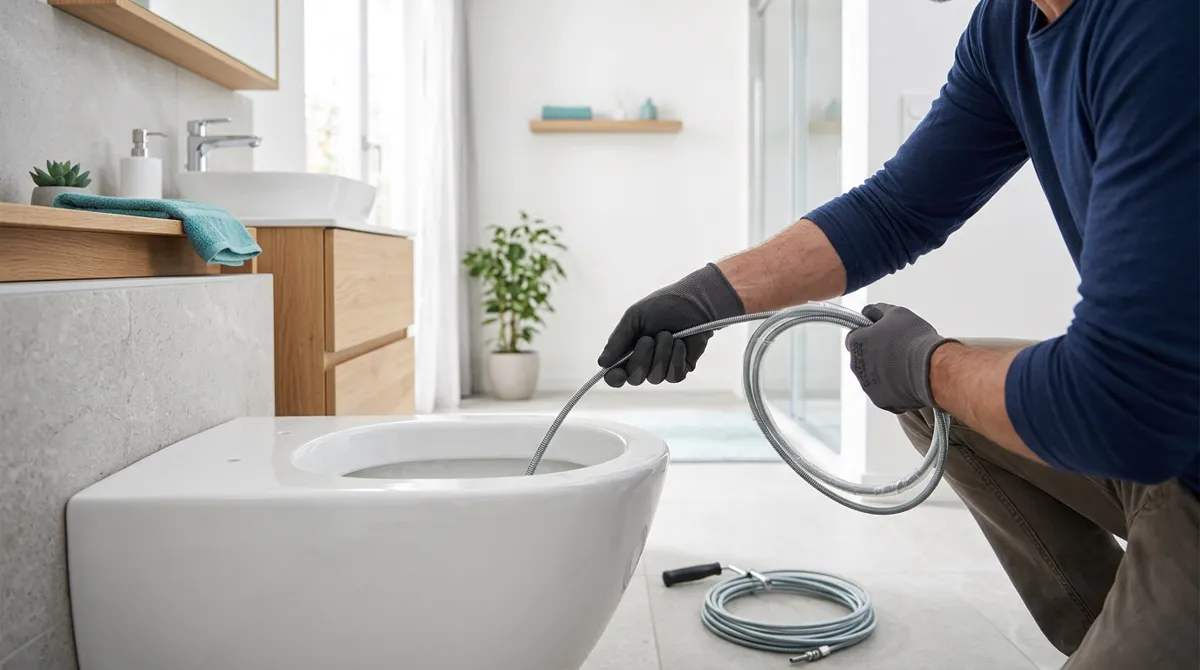
7. Retrieve the cable before you lift the tool. Reverse the feed to draw the cable back up, still cranking clockwise as RIDGID specifies. Keep the guide tube in the drain until the cable is fully retracted and has stopped turning, then lift the auger out. Whatever the head hooked comes up with it; General sells its closet augers for retrieving lost objects as well as breaking up stoppages. Test with a single flush, ready to shut the supply valve if the water rises.
8. Clean up. RIDGID says to flush the cable thoroughly with water, since sediment and drain-cleaning chemicals damage it, and to clean the outside with hot soapy water or disinfectant. General adds that keeping the cable clean and oiled greatly extends its life. Then wash your hands and any skin that touched drain water with hot, soapy water.
Using a drill (drill-ready models only). RIDGID's catalog lists the K-6DH above in its K-6P hybrid line, and the K-6P instructions call for a battery-powered drill set to low speed, under 500 rpm, and turning forward. Never use a corded drill, which the instructions say raises the risk of electric shock. The crank handle comes off and the drill chucks onto the drive shaft; everything else follows the steps above.
When to stop and call a plumber. Stop if the cable jams and won't back out, if you've fed all of it without the water starting to drain, or if there's a chemical drain cleaner in the bowl you can't safely deal with. RIDGID's K-6P instructions say plainly that the auger may not clear every blockage, and that on a drain in poor condition, cleaning may not work or could damage the drain. They name a camera inspection as the best way to check a drain's condition, and that's the moment to book a plumber rather than crank harder. If more than one fixture is backing up, a closet auger is the wrong tool altogether: Fox Metro, an Illinois wastewater district, says a single stopped drain is likely a simple clog, while backups across multiple fixtures suggest the sewer main itself may be blocked. Call a plumber or your local sewer utility, and check which your city wants first. Fox Metro asks residents inside city or village limits to contact their public works department first, while Seattle Public Utilities says to call a plumber first and bring the city in if the plumber suspects the public sewer main.
What matters before you buy
- Cable thickness (3/8" vs 1/2"). Cable diameter decides how much abuse the auger shrugs off. A 1/2-inch cable powers through hard, packed clogs and resists flexing; a thinner 3/8-inch cable is fine for soft, everyday clogs but can bend back on you when it meets real resistance. Buy the thicker cable if your toilet clogs often.
- Head type: bulb vs drop/down head. A bulb head is great for grabbing soft material and small objects. A drop or down head is shaped to follow the bowl's curve into the trap, and General says its down head protects the bowl's inner walls from chipping and breaking. Pick based on whether you fight clogs or retrieve dropped items more often.
- Bowl guard (no scratched porcelain). The vinyl or rubber guard on the guide tube keeps the spinning cable from scratching your bowl, and all five augers here have one. It only does its job with the tube seated in the drain, as step 2 of the how-to above explains.
- Reach (3 ft vs 6 ft). RIDGID's catalog says 3 feet of cable completely reaches through the toilet, and that its 6-foot models extend the cable to clear beyond it. So a 3-foot auger covers the toilet itself, and a 6-foot model is for a blockage just past it. Longer reach means a bigger, heavier tool to store.
- Manual vs drill-powered. A hand-crank auger is simple, cheap, and plenty for routine clogs. A drill-ready hybrid such as RIDGID's K-6DH adds the option of a low-speed battery drill for tough clogs; the drill note in the how-to above has RIDGID's limits. You don't need a full electric drum machine for a home toilet.
How we ranked these
This roundup draws on manufacturer specs and operating instructions, the established reputations of RIDGID, General Pipe Cleaners, and Cobra, and patterns across verified owner reviews on Amazon and major plumbing retailers. We weighed cable strength and kink resistance most heavily (it's what separates a good auger from a frustrating one), then bowl protection, head design, reach, ease of use, and price-to-value. We deliberately picked across price tiers so there's a fit for renters, everyday homeowners, and people who clog often. Every product's Amazon ASIN was checked to confirm it points to the exact model named and is currently purchasable on Amazon.com.
Frequently asked questions
How do I choose the right toilet auger for my situation?
Match the tool to how often you clog. For occasional clogs in a rental, a budget 3/8-inch auger like the Cobra 42030 is plenty. For a home you own, a 1/2-inch pro model like the RIDGID K-3 is the buy-it-once pick. If you clog frequently, have older narrow traps, or face deeper blockages, step up to a heavy-duty 1/2-inch cable (Cobra 44030) or a 6-foot drill-ready hybrid (RIDGID K-6DH). Make sure whatever you choose has a vinyl or rubber bowl guard.
What's the difference between a toilet auger and a regular drain snake?
A toilet (closet) auger has a short cable inside a curved guide tube with a bowl guard, built specifically to navigate a toilet trap without scratching the bowl. A regular drain snake is a long, open cable meant for sinks, tubs, and floor drains. Using a drain snake with no guide tube or bowl guard in a toilet risks scratching or damaging the porcelain, so use the right tool for each job.
How do I use a toilet auger without scratching the bowl?
Retract the cable into the guide tube, seat the end of the tube in the drain opening, and keep it there until the cable is fully retracted and has stopped turning, so the bowl guard stays against the porcelain. Step 2 of the how-to above explains why the seated tube matters.
Should I use a drain chemical instead of an auger?
For a true blockage, an auger is usually the better answer, because it physically clears or retrieves the clog instead of waiting for it to dissolve. The two also don't mix well: General Pipe Cleaners warns that corrosive drain cleaners can cause serious burns and damage an auger's cable, and says to neutralize or remove them before augering. If you've already poured one in and the bowl is still full, that's a reason to call a plumber rather than crank through it.
Can I power a toilet auger with a drill?
Only if it's designed for it. The K-6DH is: RIDGID's catalog places it in the K-6P hybrid line, whose instructions say to swap the crank handle for a battery-powered drill running forward at low speed, under 500 rpm, and never to use a corded drill because of the shock risk. If your auger's instructions don't cover drill use, crank it by hand.
Related guides & comparisons
- How to unclog a toilet
- Best toilet plungers
- Unclog a toilet without a plunger
- How to replace a toilet wax ring
Sources
- RIDGID — K-6P Powered Toilet Auger instructions (PDF)
- General Pipe Cleaners — Flexicore and Teletube Closet Auger operating instructions (PDF)
- General Pipe Cleaners — Flexicore Closet Augers product literature (PDF)
- RIDGID — K-3 Toilet Auger
- RIDGID — K-3 and K-6 Toilet Augers catalog sheet (PDF)
- RIDGID — K-6P Hybrid Toilet Auger catalog sheet, K-6P and K-6 DH (PDF)
- Fox Metro Water Reclamation District — Basement Backups
- Seattle Public Utilities — Side Sewer Backups
- Cobra Products — 3/8 in. x 3 ft. Toilet Auger (42030)
- Cobra Products — 1/2 in. x 3 ft. Heavy Duty Toilet Auger (44030)