
Renter-Friendly Bidets: What Works in an Apartment
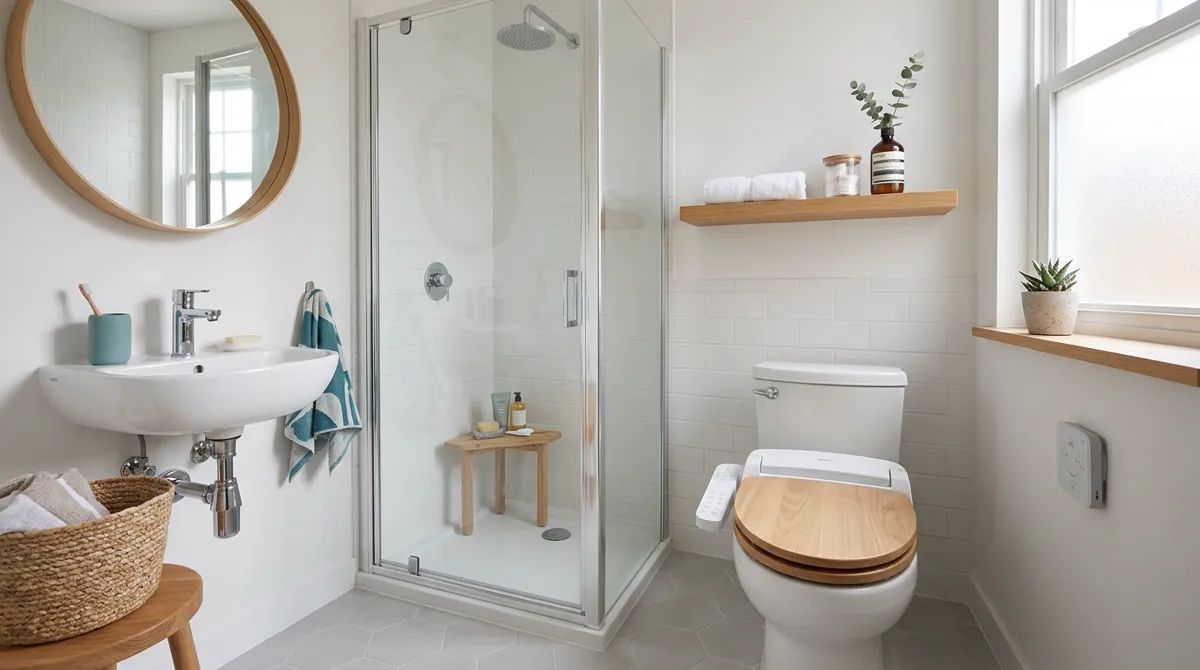
Yes, you can have a bidet in a rental, and your options are wider than most renter guides admit. Read the installation manuals from Brondell, Kohler, TOTO and Bio Bidet and they all describe the same three touchpoints: the toilet seat, which unbolts because it is a part designed to be replaced; the flexible supply hose between the shutoff valve and the tank, which unscrews and reattaches through an inline T-valve; and, for electric models, a wall outlet you plug into. Nothing in any of those sequences involves cutting a pipe, soldering a joint, drilling into the fixture, or permanently replacing anything.
That is the good news, and it is why a full electric bidet seat is usually just as renter-compatible as the cheapest clamp-on attachment. The constraints we can actually help you check are physical: whether there is an outlet close enough to the toilet for a short factory cord, whether your toilet's bowl shape and bolt geometry match the seat you want, and whether the existing supply line and shutoff valve behind your toilet are in condition to be taken apart at all. Separately from all of that, there is what your lease says — a question for your lease and your property manager, not for us.
This page walks those constraints in the order you should check them, explains what the water connection actually does and does not change, covers the non-electric route for bathrooms with no outlet, and gives you the move-out reversal that most guides skip. It also says plainly when a bidet is not workable in a given rental. If your shutoff valve is seized or your supply line is a rigid chrome tube, the right move is a maintenance request, not a wrench.
See which seats fit a rental bathroom: best bidet toilet seats
See our picks →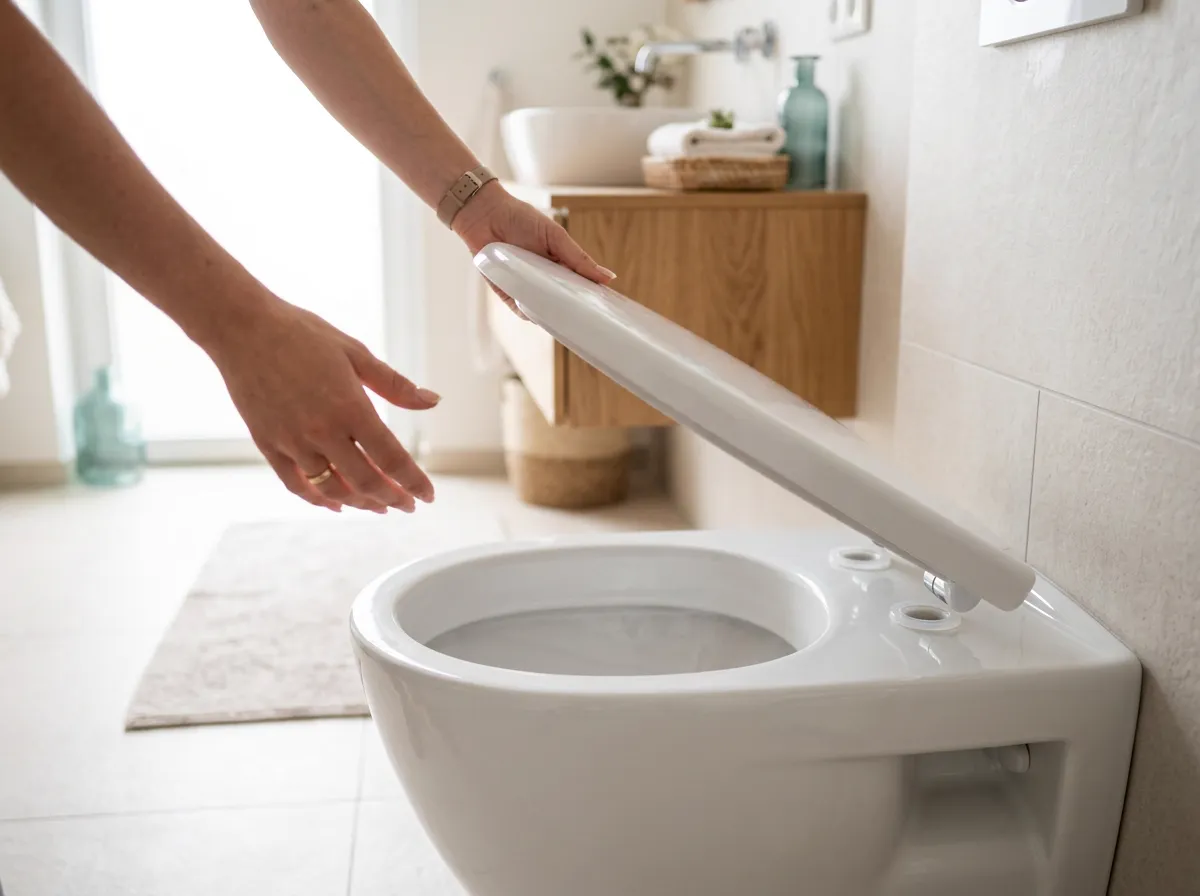
Yes, renters can install a bidet — and "renter friendly" means reversible, not flimsy
Most renter guides define "renter friendly" as cheap, clip-on and toolless, which quietly writes off the better products. A more useful definition: the install touches only parts the toilet is already built to have removed, and it comes back apart without a trace. By that test, bidet attachments, non-electric bidet seats and full electric seats all qualify. Every manual we read opens with the same short list of preparations — shut the valve at the wall, flush the tank, take off the existing toilet seat — because the toilet seat is a consumable part, not a fixture. The order varies slightly by brand, so follow your own manual rather than this sentence. What separates the categories for a renter is not permission or permanence. It is three practical gates: an outlet, toilet fit, and the condition of the plumbing you have to touch.
The three constraints that actually decide it, and how to check each before you buy
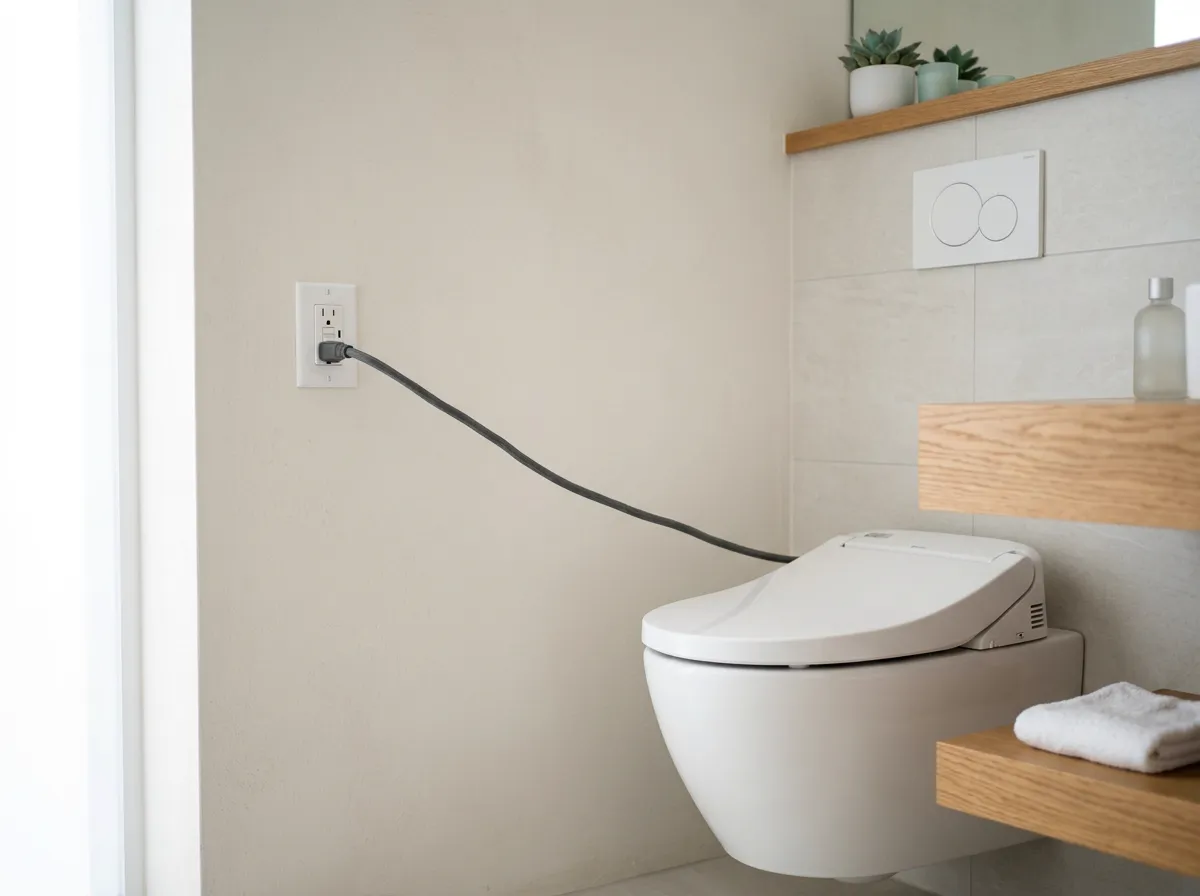
Outlet: stand at the toilet and look for a receptacle within about a yard. Manufacturers are specific — Kohler's K-4711 guide says the outlet should be within 12 in (30.5 cm) of the toilet to suit the cord, TOTO ships a 3.9 ft (1.2 m) cord and tells you to confirm the outlet suits that length, Brondell says its Swash cords run roughly 3.5 to 4 ft, and TUSHY says its electric models need a grounded three-prong GFCI outlet within 3 ft. Fit: measure bolt-hole spread center to center, bolt-hole center to the front rim, and the clearance behind the bolts to the tank. Brondell accepts a 5-1/4 in to 8 in spread with at least 1-1/2 in behind; Bio Bidet lists 5.5 to 7.5 in and 1.5 in. Lease: read the alterations and fixtures clause, then ask.
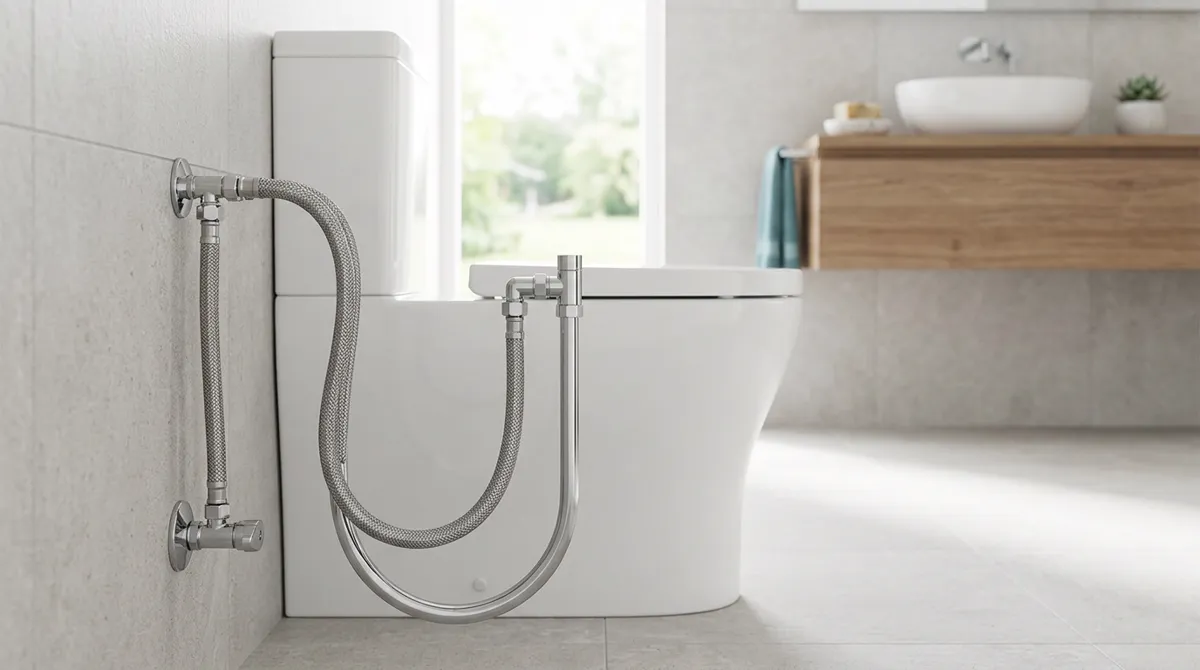
How the connection actually works: a T-valve on the toilet's own supply line
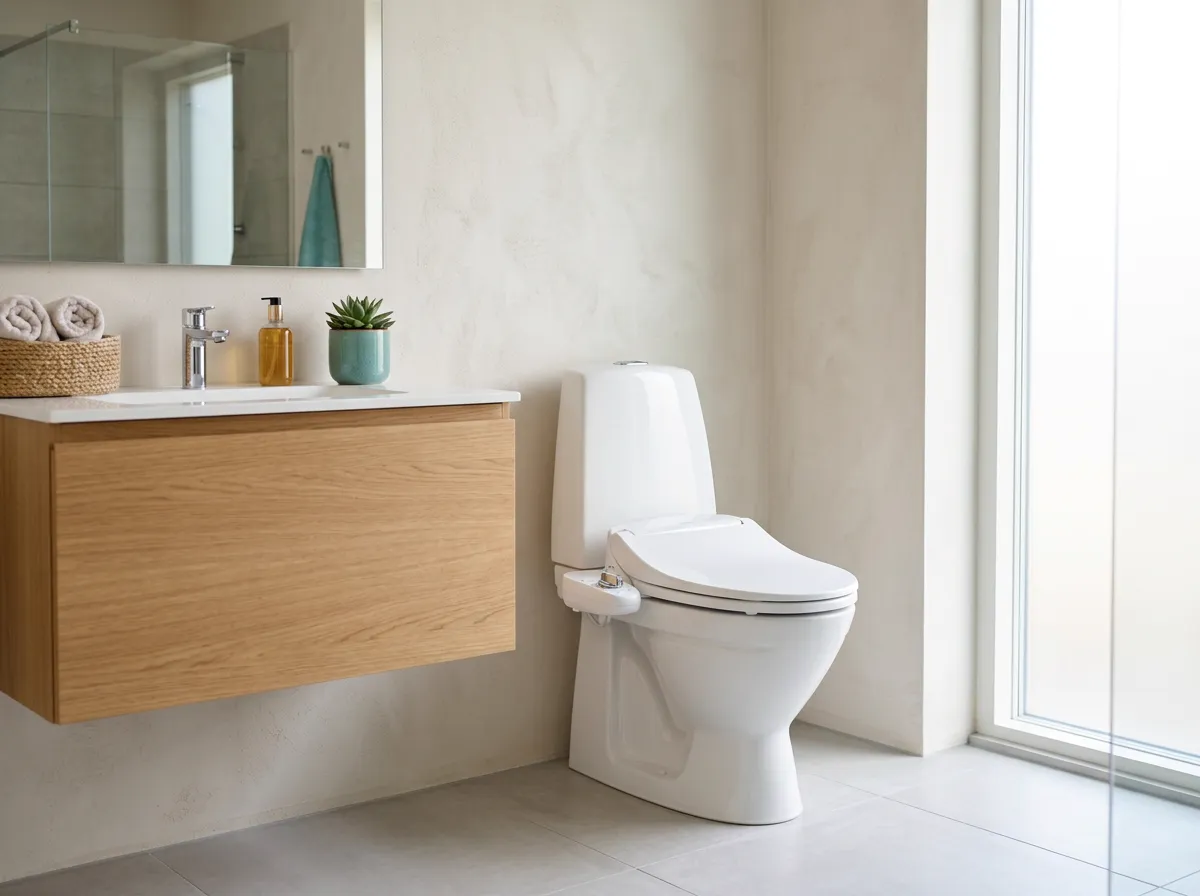
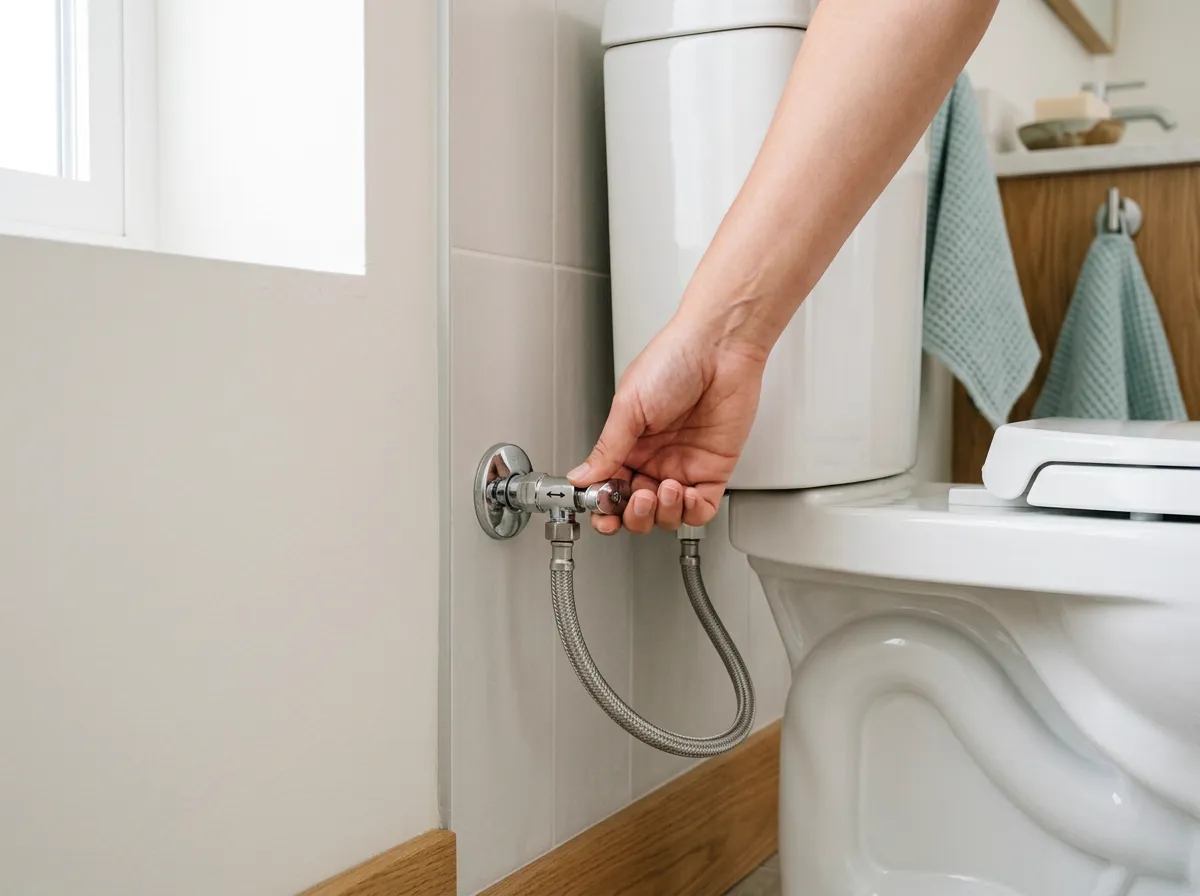
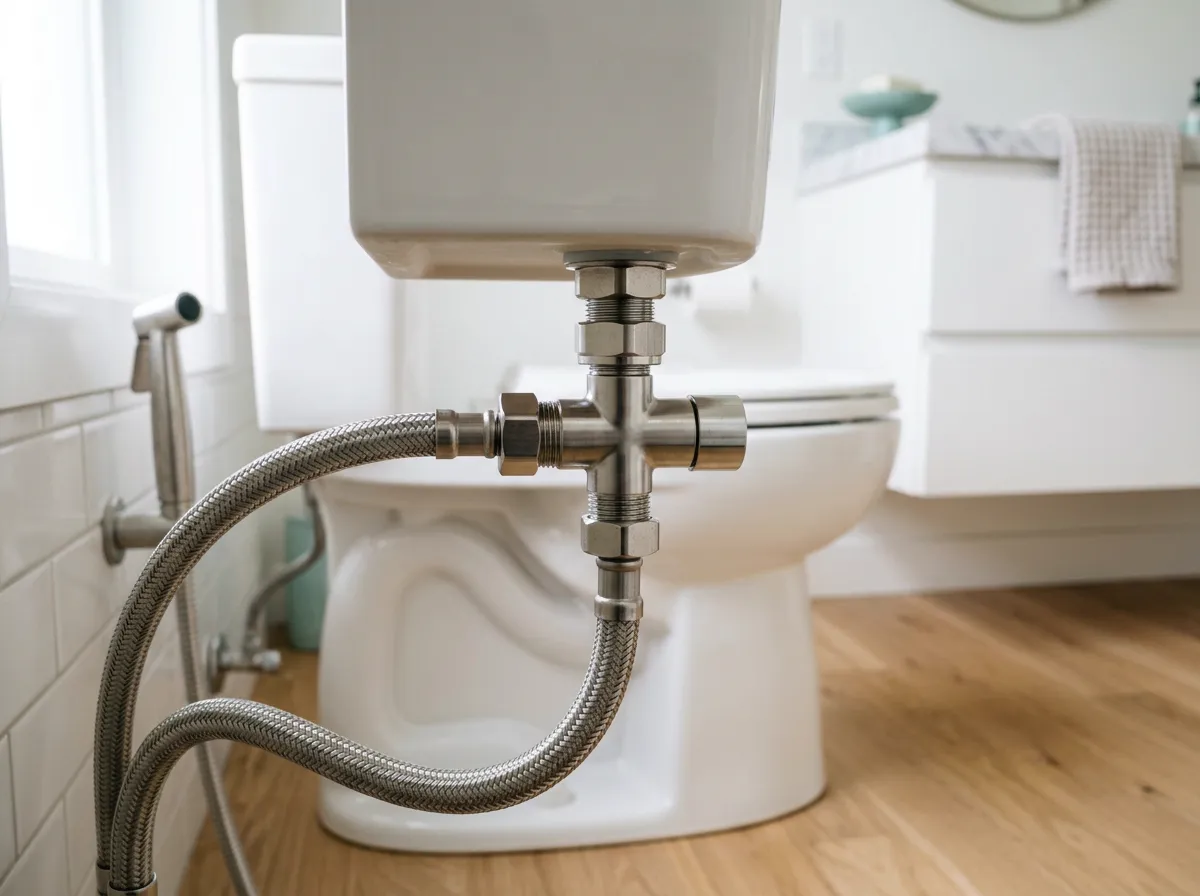
The bidet does not tap the building's plumbing. It taps the toilet's. Brondell's Swash installation guide is the clearest on this: you close the angle stop, flush and empty the tank, disconnect the supply hose from the tank — specifically not from the wall valve — fit the T-valve with its washer to the water inlet under the tank, then reconnect the wall supply hose to the bottom of the T-valve. Its note says outright that the T-valve joins the fill valve under the tank and not at the wall. Kohler's K-4711 guide and Bio Bidet's BB-2000 manual describe the same chain — Bio Bidet adds that you may reuse your existing toilet hose — and TOTO uses a supplied junction valve the same way, instructing that no hose or valve other than the supplied ones be substituted. All four restrict the connection to the cold supply. Tool list, per Kohler: an adjustable wrench and a blade screwdriver.
A full electric seat is usually renter-compatible too, not just a cheap attachment
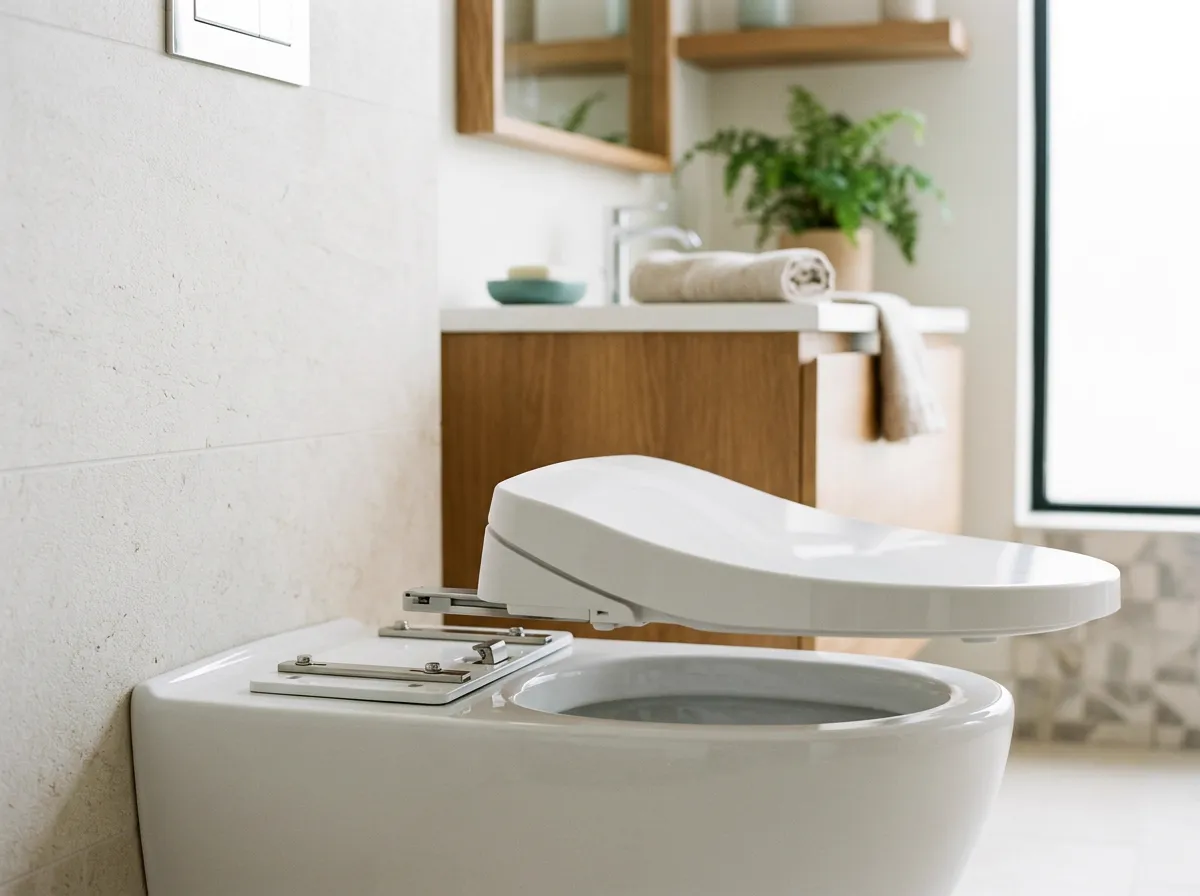
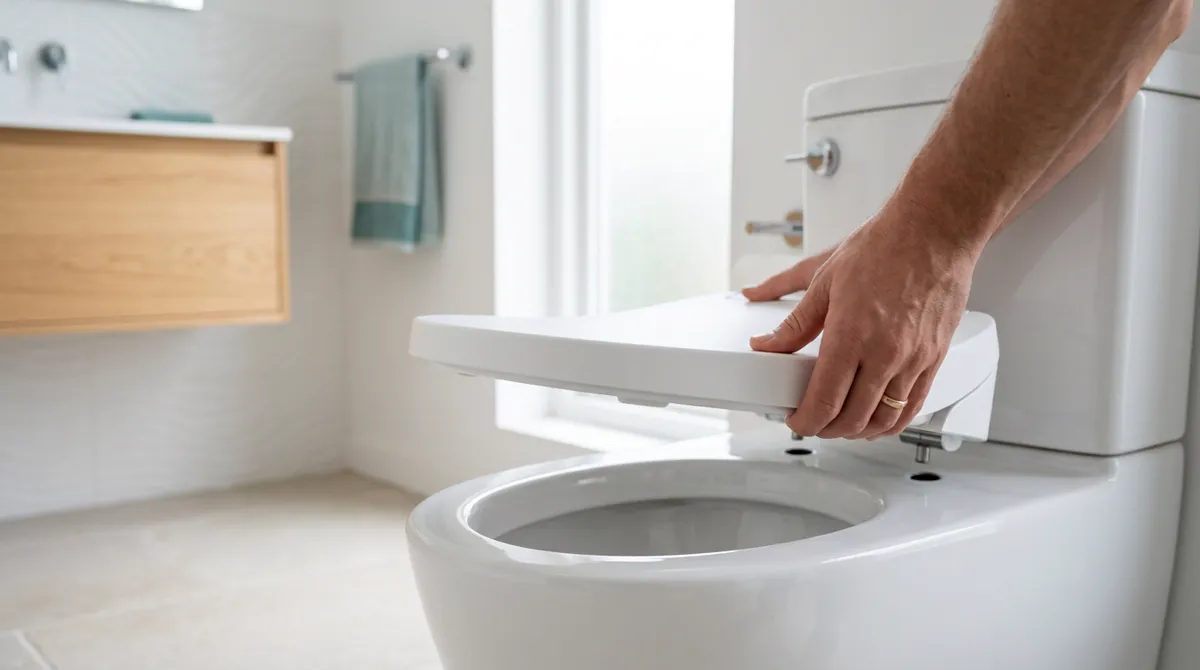
This is where the top-ranking renter guides get it wrong. An electric seat replaces the toilet seat, taps the same T-valve, and plugs into the wall — nothing more permanent than an attachment does. It also comes off deliberately. Brondell, Kohler, Bio Bidet and TOTO all document a release button that frees the seat from its mounting plate: Brondell and TOTO present it as a way to take the seat off for cleaning, Bio Bidet's BB-2000 manual uses it in its removal steps, and Kohler's K-4711 guide uses it to slide the seat off while you line it up during installation. What you gain over an attachment is warm water without a hot-line tap, plus the comfort hardware these seats are built around — Bio Bidet's BB-2000 manual, for one, labels a heated seat and a warm air dryer among its parts. What it does not buy you is independence from your building: Kohler still specifies a 20-80 psi cold supply for the K-4711. The catch is electrical. All four require a grounded GFCI outlet — Kohler specifies a dedicated 120 VAC circuit on a minimum 15 A GFCI or ELCB, and states "Do not use an extension cord with the product." Brondell and Bio Bidet allow a cord conditionally, with rating requirements. Follow your model's manual, not a blog.
No outlet near the toilet? Non-electric seats and attachments, and one warm-water route
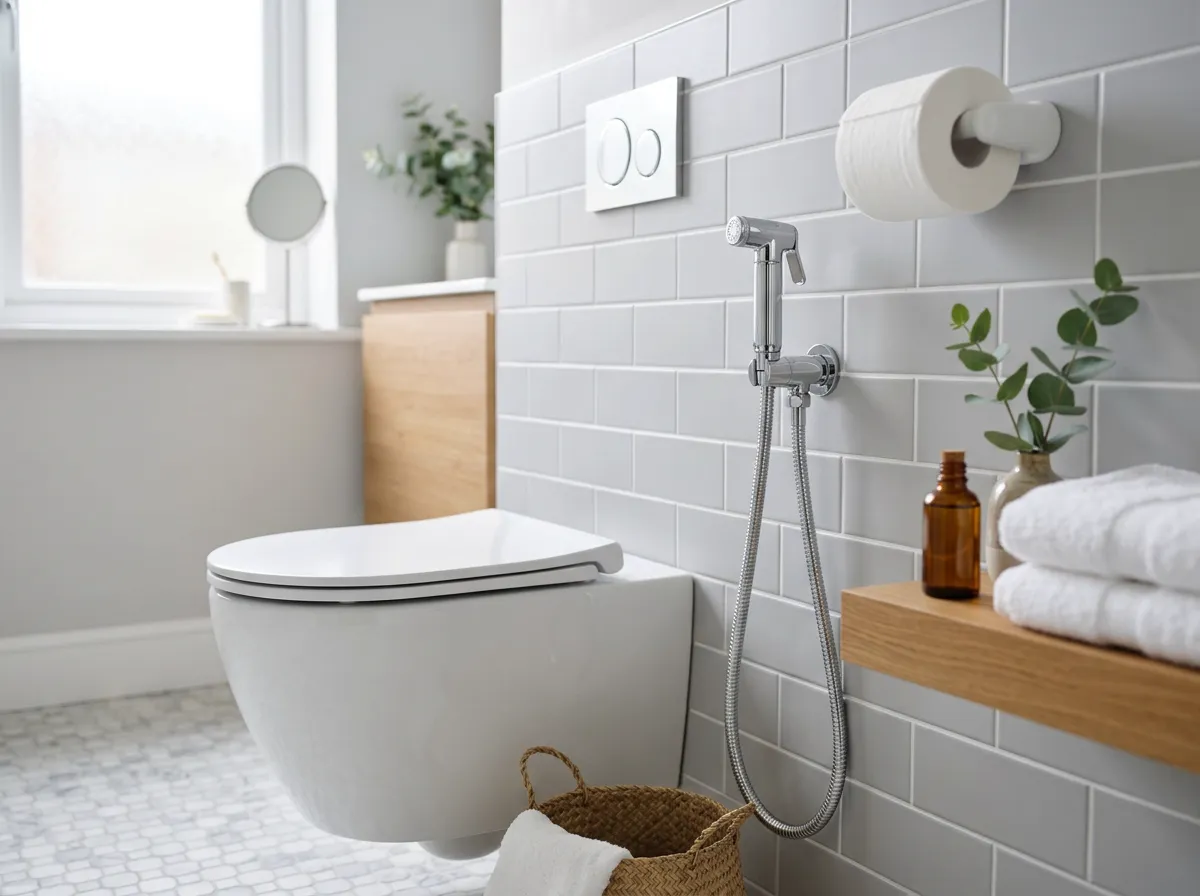
Older apartment bathrooms often have no receptacle near the toilet at all. Per CPSC's GFCI fact sheet, the National Electrical Code generally applies to new construction and major renovations, so a bathroom that predates the requirement is a common situation rather than a sign something is wrong with it. As building departments summarize the National Electrical Code, the required bathroom receptacle is placed near the basin rather than near the toilet. Adopted code editions vary by jurisdiction, so treat that as the general pattern rather than a statement about your building. Adding one is electrical work on someone else's property, so the honest answer is a non-electric unit. Brondell's Ecoseat S101 spec sheet shows the whole input list: cold water, a 7/8 in T-valve, a braided hose, and 20-87 psi of supply pressure. No cord, no batteries. TUSHY says the same of its non-electric line. If you want warm water without an outlet, Brondell documents non-electric dual-temperature models that tee off a nearby sink's hot supply with a 3/8 in hookup and about 6 ft of tubing — but that is a second plumbing tap on a different fixture, so think about it harder than the toilet one.
The lease question: check it, ask, and get the answer in writing
We will not tell you what your lease permits, and be skeptical of any page that does. What we can tell you is what the install mechanically does: it removes a toilet seat, inserts a threaded adapter on a hose connection designed to unscrew, and — for electric models — plugs a cord into an existing outlet. Nothing is cut or drilled, and in a standard install nothing is permanently replaced. One exception belongs in that conversation rather than in a footnote: if the line from your shutoff valve to the tank is a rigid tube rather than a braided flexible hose, it has to be swapped before a bidet can go on — and that is a change to a part you do not own. Take that description to your lease's alterations and fixtures language, and then ask your landlord or property manager directly rather than assuming either way. Ask by email so the answer exists in writing. Offering to handle the install and the removal yourself, and to restore the original seat, is a fair thing to put in that email. If you are in a condo or co-op, the HOA or board rulebook is a separate document from your lease and may set its own requirements for plumbing or electrical work.
Moving out: reversing the install and restoring the original seat
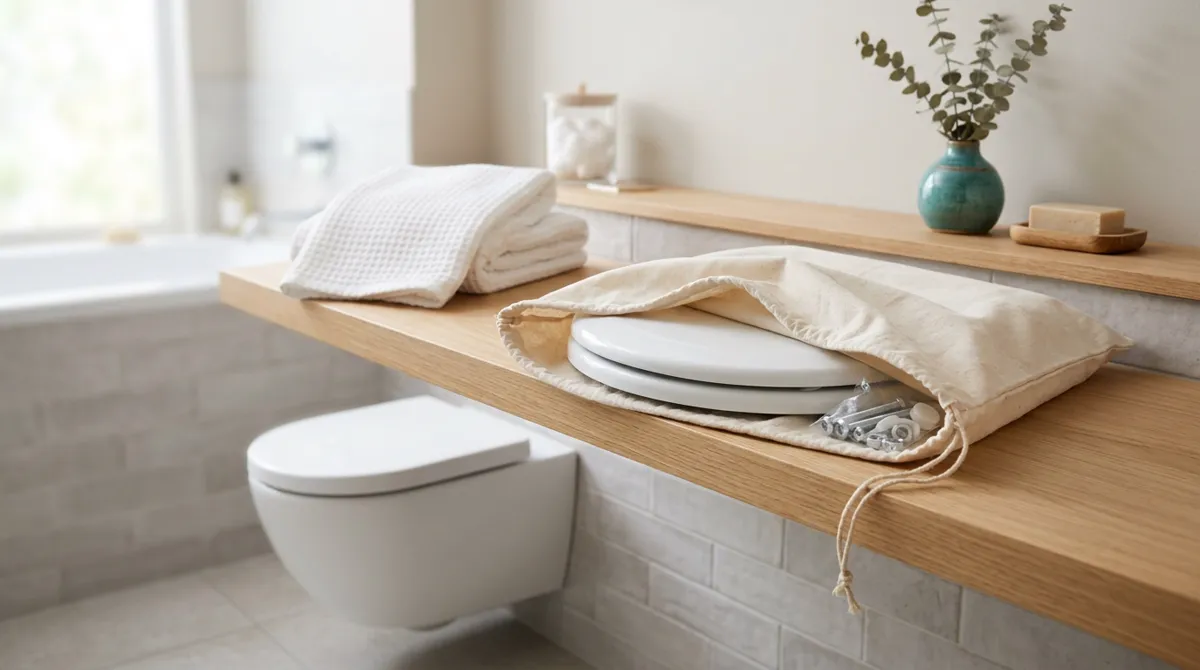
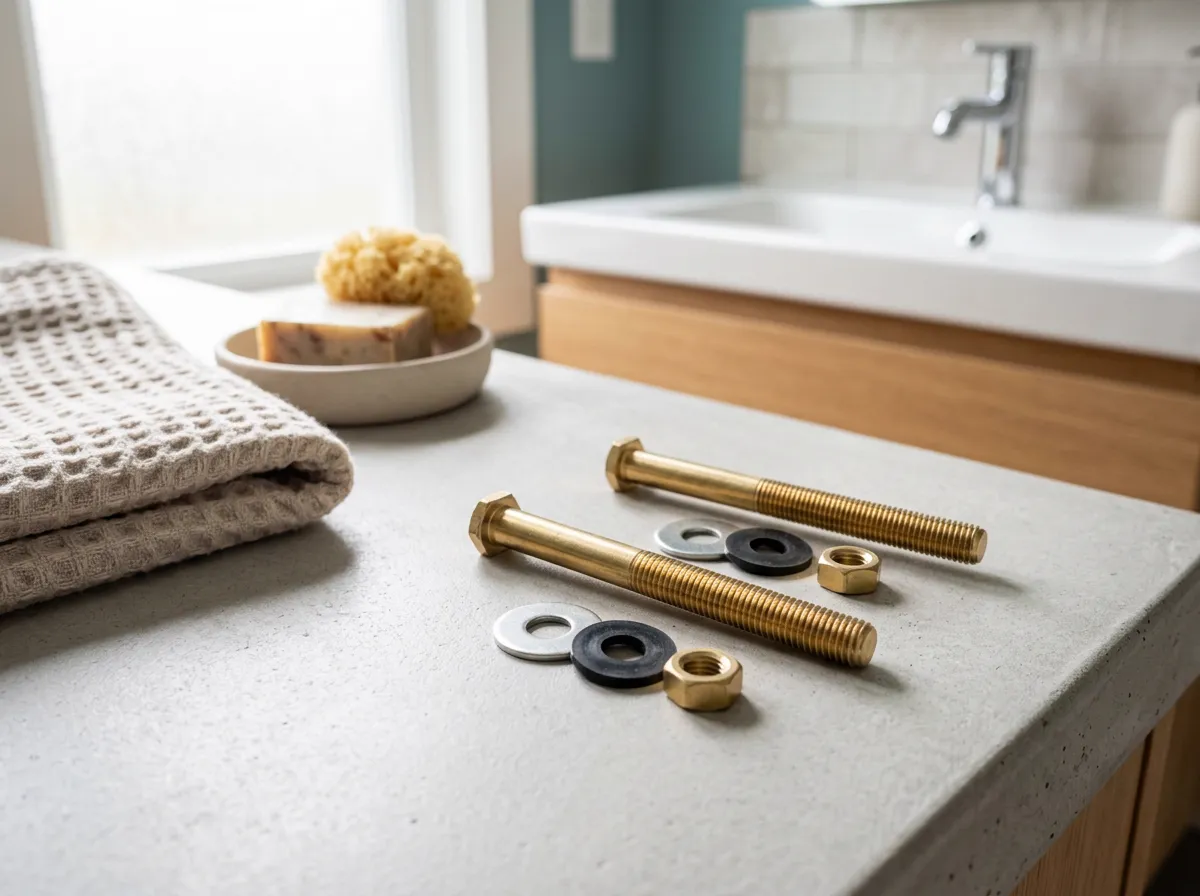
Reverse the order you built it in. Unplug the unit. Close the shutoff valve at the wall and flush to drop the tank. Drain the unit if it has a tank — Brondell and Bio Bidet both document a drain step for storage. Release the seat from its mounting plate, unbolt the plate from the toilet's seat-bolt holes, unthread the T-valve from the fill valve, and reconnect the original supply hose directly to the tank. Refit your original seat, open the valve slowly, and watch the joint — check it again at 24 and 48 hours, because in a stacked building a slow drip is somebody else's ceiling. None of the manuals we read puts a time figure on that full reversal, so give yourself an unhurried window and do not plan around anyone else's minute count. The part people actually lose money on is the original seat and its bolts. Keep them, plus the box.
When a bidet genuinely is not workable in your rental
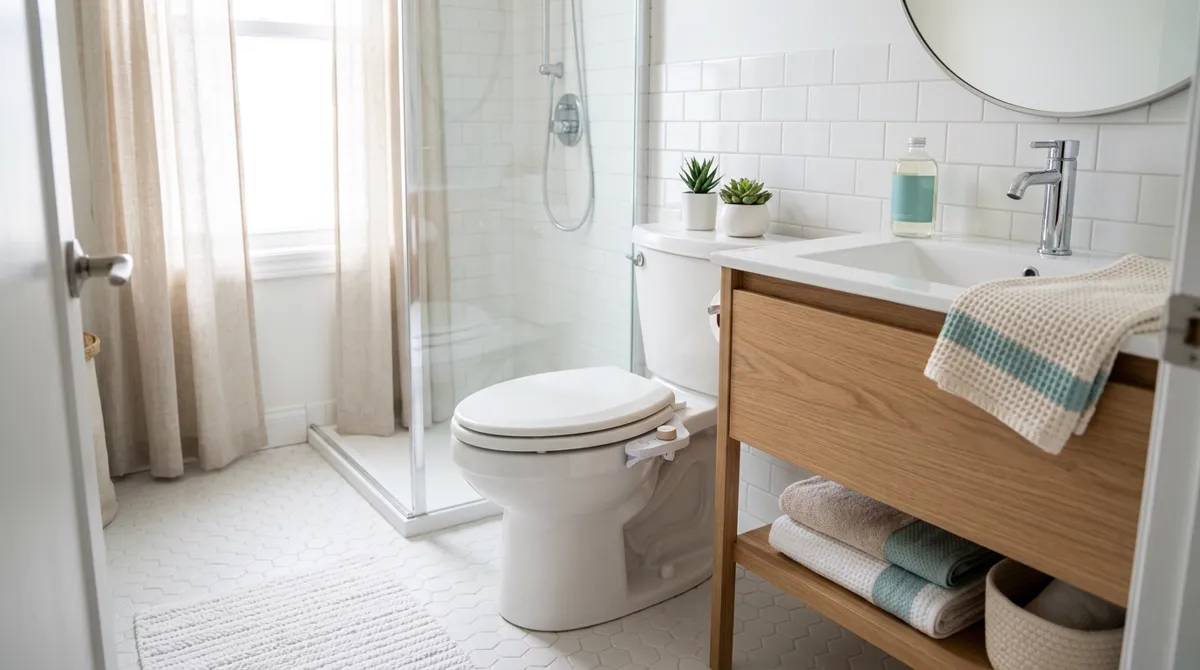
Look behind the toilet before you buy anything. If the line from the shutoff valve to the tank is a rigid chrome tube rather than a braided flexible hose, stop: Brondell requires a flexible supply line, so that tube has to be swapped before a bidet can go on — and swapping a part you do not own is a conversation with your landlord, not a DIY step. If the shutoff valve is corroded, stiff, or does not fully close, that is a maintenance request rather than a wrench job. If your toilet has no tank, every manual's connection point disappears. Deep French curve one-piece bowls are called out by both Brondell and Bio Bidet as a poor fit — Bio Bidet's compatibility guide says seats and attachments alike do not fit well on them, because of the limited space near the mounting bolts. Brondell is more optimistic about its own SpaSuite attachments on those fixtures, so on that bowl shape verify the specific model with the manufacturer before ordering. Brondell also flags two separate conditions: a concealed or camouflaged fill valve, which needs an alternate T-valve, and seat bolts reachable only from above, which need a top-mount hardware kit. A skirted toilet may present either or both — work that out before you order, or the install stalls halfway.
Tips & warnings
- Photograph the space behind your toilet before you shop — the supply line, the shutoff valve and the nearest outlet are the three things that decide what you can buy.
- Measure the bowl before ordering a seat: bolt spread, bolt center to front rim, and clearance from the bolts back to the tank. Round and elongated seats are not interchangeable.
- Put the original toilet seat, its bolts and the box in a labeled bag at the back of a closet on install day. That bag is what lets you hand the bathroom back exactly as you found it.
- Hand-tighten the bidet's water connections, then snug them gently. Brondell tells you to hand-tighten the bidet connections to avoid damaging the product.
- Check every joint at 24 and 48 hours after install. In a multi-unit building, a slow drip does not stay in your apartment.
- Ask your landlord by email, not in the hallway. A written yes costs nothing and settles the question on move-out day.
Frequently asked questions
Can you install a bidet in an apartment?
Usually, yes. A bidet attachment or bidet seat connects to the toilet's own cold water supply through an inline T-valve that threads onto the fill valve under the tank — Brondell's installation guide specifies that the connection is made at the tank, not at the wall — and the unit itself replaces the toilet seat, a part the toilet is designed to have removed. The manuals from Brondell, Kohler, TOTO and Bio Bidet all describe the same sequence, and none of them involves cutting, soldering, drilling or permanently replacing any plumbing. Three things can still block it: an electric seat needs a grounded GFCI outlet within roughly a yard of the toilet (Kohler specifies within 12 in, TOTO ships a 3.9 ft cord, TUSHY says 3 ft), the seat has to match your bowl's shape and bolt spacing, and the existing supply line needs to be a flexible braided hose rather than a rigid tube. Separately, check your lease and ask your property manager before you start.
Do I need my landlord's permission to install a bidet?
That depends on your lease, and we are not going to characterize what any lease allows — plenty of pages do, and they have not read yours. What you can do is describe the install accurately when you ask: it removes the existing toilet seat, adds a threaded T-valve to a hose connection that is designed to unscrew, and plugs into an existing outlet if the model is electric. Ask your landlord or property manager by email so you have the answer in writing, and offer to handle both the install and the removal. If you are in a condo or co-op, the HOA or board rules are a separate document and may have their own requirements.
Could installing a bidet cost me my security deposit?
We cannot tell you how your lease or your jurisdiction treats a deposit — that is a contractual question, so read your lease and ask your landlord in writing. What we can tell you is what the install physically does, and how to leave nothing behind. A standard install removes the toilet seat, threads a T-valve onto the hose between the shutoff valve and the tank, and plugs into an existing outlet: nothing is cut and nothing is drilled. So treat it as a move-out checklist item rather than an install-day risk — take the unit with you, put the original seat and bolts back on, and leave the space as you found it. The one install-day risk worth naming is over-tightening a water connection, which is why Brondell tells you to hand-tighten. And if your supply line is a rigid tube that would have to be replaced, raise that with your landlord before you start rather than after.
What if there is no outlet near my toilet?
Then buy a non-electric unit, not a workaround. Adding a receptacle is electrical work on property you do not own, and manufacturers do not agree on extension cords — Kohler prohibits them outright, while Brondell and Bio Bidet permit specific grounded, rated cords. A non-electric seat or attachment runs on line pressure alone; Brondell's Ecoseat S101 spec sheet lists cold water and 20-87 psi as the entire input, with no cord. If you want warm water without an outlet, Brondell also documents non-electric dual-temperature models that tap a nearby sink's hot supply — a second plumbing connection, so weigh it carefully in a rental.
Can I take the bidet with me when I move?
Yes, and that is one of the strongest arguments for buying a good one. Brondell, Kohler, Bio Bidet and TOTO all document a release button that frees the seat from its mounting plate, and Brondell and TOTO describe using it to take the seat off for cleaning. Full removal goes further: unplug the unit, close the shutoff valve, release the seat, unbolt the mounting plate from the toilet's seat-bolt holes, unthread the T-valve from the fill valve, reconnect the original supply hose to the tank, and refit the original seat. No manufacturer manual we read gives a time for that, so do not trust the ten-minute claims — do it unhurried, and check the joints for drips afterward.
Is apartment water pressure enough for a bidet?
Usually, but it matters more than renters expect on high floors and in older buildings. A non-electric attachment or seat has no pump, so the spray is your building's supply pressure and nothing else. Manufacturers publish a working range: Brondell's Ecoseat S101 lists 20-87 psi, and Kohler's K-4711 specifies a cold supply of 20-80 psi. If your shower already runs weak, that is your answer for a non-electric unit. An electric seat does not exempt you from this either — Kohler specifies a 20-80 psi cold supply for the K-4711 — so whichever category you buy, check that model's stated range against what your building actually delivers.
Will a bidet seat fit my apartment's toilet?
Measure before you order, because bidet seats are sized to the bowl and are not universal. Take three numbers: the center-to-center spread of the seat bolt holes, the distance from the bolt holes to the front rim, and the clearance from the bolt holes back to the tank. Brondell accepts a 5-1/4 in to 8 in bolt spread with at least 1-1/2 in of rear clearance, and lists 16-17.75 in for round bowls and 18-19.5 in for elongated. Bio Bidet lists 5.5-7.5 in spread and 1.5 in clearance. Both call out deep French curve one-piece toilets as a poor fit, and Bio Bidet says seats and attachments alike do not fit well on them. On that bowl shape, check the specific model against the manufacturer's own guidance rather than assuming an attachment will clear it.
Sources
- Brondell — Swash Bidet Toilet Seat Installation Guide (PDF)
- Brondell Help Center — Installation & Compatibility FAQ
- Brondell Help Center — Fit & Measurement Guide: Toilet Compatibility
- Brondell — Swash Ecoseat S101 Non-Electric Bidet Seat Spec Sheet (PDF)
- Kohler — Installation Guide, Bidet Toilet Seat K-4711 (doc 1054179-2-E, PDF)
- TOTO USA — WASHLET Installation Guide, SW3004 / T1SW3014 (doc D07D00, PDF)
- TOTO USA — WASHLET Instruction Manual, SW3084 / SW3084T40 (doc D07869, PDF)
- Bio Bidet — Bliss BB-2000 User Manual (PDF)
- Bio Bidet — Bidet Compatibility Guide
- TUSHY — Frequently Asked Questions
- TUSHY Support — How do I install my TUSHY Classic 3.0?
- U.S. Consumer Product Safety Commission — GFCI Fact Sheet (PDF)
- City of Sioux Center, Iowa — General Electrical Requirements (NEC 210.8, 210.52(D)) (PDF)
- County of Humboldt, CA — Ground-Fault Circuit-Interrupter (GFCI), CEC 210.8
- Rise — How to Install a Bidet: Step-by-Step Guide