
Best Toilet Bowl Cleaners
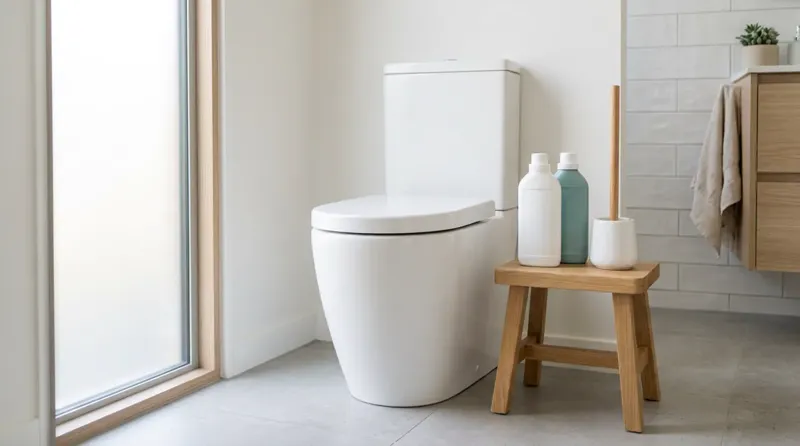
A toilet bowl cleaner sounds like a one-size-fits-all purchase, but it isn't. The right pick depends on what you're actually fighting: everyday grime and germs, stubborn hard-water rings, or a desire to skip harsh chemicals altogether. Buy the wrong type and you'll scrub forever and blame yourself instead of the bottle.
There are really three jobs here. Bleach gels disinfect and handle normal stains. Acid-based and pumice cleaners dissolve or grind off mineral buildup that bleach can't touch. And gentler plant-based or automatic options keep an already-clean toilet fresh with less effort or fewer fumes.
Below are our five picks for 2026, one for each common situation, all currently sold on Amazon. We're a research-driven affiliate site, so these are curated from product specs, manufacturer claims, and broad user feedback, not staged lab demos. Match the pick to your problem and you'll do far less scrubbing.
| # | Pick | Price | Rating | |
|---|---|---|---|---|
| 1 | Best Overall Clorox Toilet Bowl Cleaner, Clinging Bleach Gel (Cool Wave, 24 oz) The thick bleach gel that clings under the rim, kills germs, and lifts everyday rings without much scrubbing. |
$4–$8 | ★★★★★ 4.7 | Check price |
| 2 | Best for Hard Water Lysol Toilet Bowl Cleaner with Lime & Rust Remover (24 oz, Pack of 6) An acid-based gel built to dissolve the gray and orange mineral rings that bleach cleaners leave behind. |
$20–$30 (6-pack) | ★★★★★ 4.6 | Check price |
| 3 | Best Natural Better Life Toilet Bowl Cleaner, Tea Tree & Peppermint (24 oz, Pack of 2) A plant-based gel with no bleach or harsh fumes, made for households with kids, pets, and sensitive noses. |
$12–$18 (2-pack) | ★★★★☆ 4.3 | Check price |
| 4 | Best Heavy-Duty PUMIE Pumice Stone Toilet Bowl Cleaner with Handle (1-Pack) A pumice scouring stick on a handle that physically grinds off the toughest baked-on rings no liquid will budge. |
$8–$12 | ★★★★★ 4.5 | Check price |
| 5 | Best Set-and-Forget Lysol Click Gel Automatic Toilet Bowl Cleaner, Ocean Fresh (6 ct) Touch-free gel stamps you press inside the bowl that clean and freshen with every flush for about two weeks each. |
$8–$12 | ★★★★☆ 4.2 | Check price |
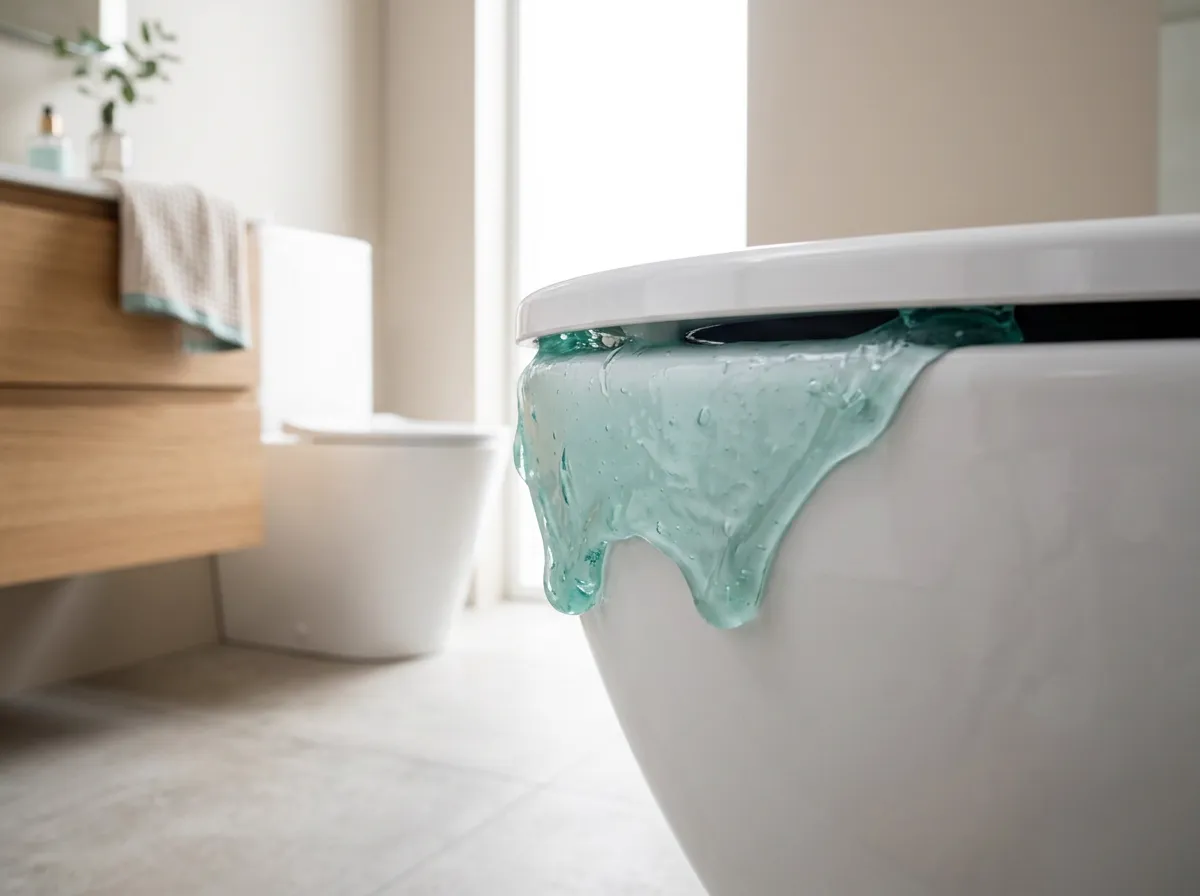
Clorox Toilet Bowl Cleaner, Clinging Bleach Gel (Cool Wave, 24 oz)
Key features: 24 oz bottle with angled neck for under-rim application · Clinging bleach gel formula that sticks ~50% longer than liquids · Disinfects and kills 99.9% of germs · Cool Wave scent (also sold in Ocean Mist) · Septic-safe when used as directed
Pros
- Excellent all-around stain, germ, and odor performance
- Gel clings to the bowl instead of running straight to the water
- Cheap and stocked almost everywhere
- Angled spout reaches under the rim easily
Cons
- Bleach fumes need decent ventilation
- Will bleach fabrics and some surfaces on contact
- Not a true descaler for heavy hard-water buildup
Who it's for: Anyone who wants one dependable, low-cost cleaner for weekly upkeep and the occasional stubborn ring.
Lysol Toilet Bowl Cleaner with Lime & Rust Remover (24 oz, Pack of 6)
Key features: Acid-based gel that targets lime, calcium, and rust · Clings to the bowl during the dwell time · Disinfects and kills 99.9% of viruses and bacteria · 24 oz bottles, sold as a 6-pack · Angled bottle for under-rim coverage
Pros
- Cuts through hard-water rings that bleach can't touch
- Works fast on rust and lime with a short soak
- Disinfects while it descales
- Bulk 6-pack is good value per bottle
Cons
- Strong acid smell; needs ventilation and gloves
- Only sold in a multi-pack on Amazon
- Overkill for a toilet that just needs routine cleaning
Who it's for: Homes on well water or hard municipal water fighting recurring mineral and rust stains.
Better Life Toilet Bowl Cleaner, Tea Tree & Peppermint (24 oz, Pack of 2)
Key features: Plant-based formula, no bleach, chlorine, or added dyes · Tea tree and peppermint essential-oil scent · Thick gel that clings under the rim · Septic-safe and Leaping Bunny cruelty-free certified · 24 oz bottles, sold as a 2-pack
Pros
- No bleach fumes; pleasant natural scent
- Safer choice around kids and pets when used as directed
- Gel sticks instead of sliding into the water
- Family-run brand with a clean ingredient list
Cons
- Needs a 5–10 minute soak and a real scrub for tough rings
- Not a heavy-duty descaler for limescale or rust
- Costs more than a bottle of bleach gel
Who it's for: Eco-minded homes and anyone who can't stand bleach fumes but still wants a cling-on gel for weekly cleaning.
PUMIE Pumice Stone Toilet Bowl Cleaner with Handle (1-Pack)
Key features: Natural pumice scouring stick with a plastic handle · Removes hard-water rings, lime, rust, and calcium buildup · No chemicals; works with water alone · Wears down and conforms to the bowl as you use it · Single stick (also sold in multi-packs)
Pros
- Removes stains that chemicals simply can't
- Chemical-free; just add water
- Handle keeps your hand out of the bowl
- Cheap and long-lasting per stick
Cons
- Will scratch non-porcelain or coated bowls if misused
- Must stay wet or it can leave marks
- Takes manual effort and wears down over time
Who it's for: Anyone facing a thick, set-in ring on a standard porcelain bowl after liquids have failed.
Lysol Click Gel Automatic Toilet Bowl Cleaner, Ocean Fresh (6 ct)
Key features: Touch-free clicker applies a gel stamp inside the bowl · Each stamp lasts up to ~2 weeks · Helps prevent rings between cleanings and deodorizes · Bleach-free, Ocean Fresh scent · 6 applications per pack
Pros
- Cleans and freshens automatically with each flush
- Touch-free, mess-free application
- Stretches the time between deep cleans
- Tank-safe since the gel sits in the bowl
Cons
- A booster, not a replacement for real scrubbing
- Won't remove existing hard-water or rust stains
- Ongoing cost as stamps run out
Who it's for: Busy households that want fresher, ring-resistant toilets between cleanings with almost zero effort.
What matters before you buy
- Match the chemistry to the stain. Bleach gels disinfect and whiten everyday grime but can't dissolve minerals. Hard-water rings, lime, and rust need an acid-based cleaner or a pumice stone. Using bleach on a mineral ring just turns it white temporarily, then it comes right back.
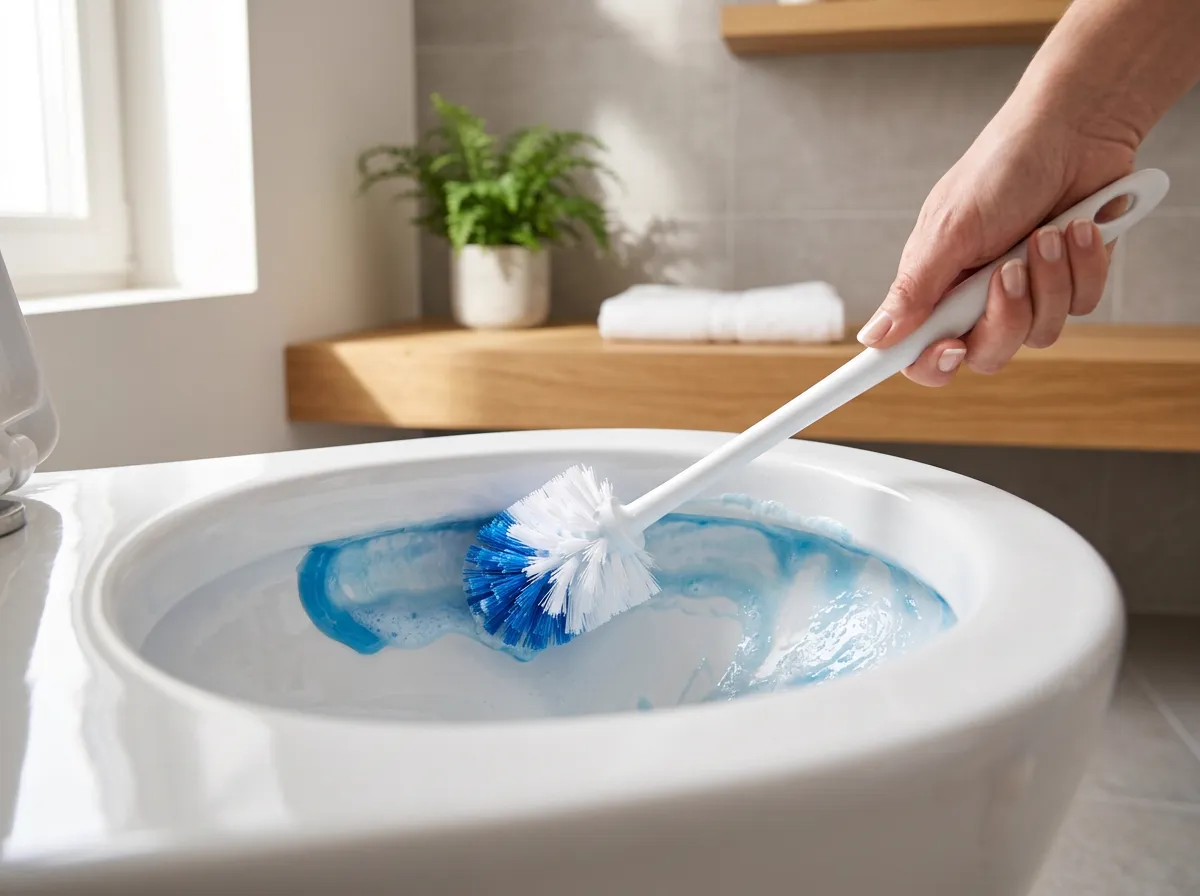
- Cling time over raw strength. A thick gel that sticks under the rim and stays put for 5–10 minutes does more work than a watery cleaner that slides straight into the bowl water. Look for 'clinging' or 'gel' formulas, apply under the rim, and let them dwell before you scrub.
- Know your bowl surface. Pumice stones cut through the worst stains but only on true vitreous porcelain, and only when kept wet. On enamel, acrylic, fiberglass, or colored/coated bowls they can scratch. If you're unsure what your toilet is made of, test a hidden spot or stick to liquids.
- Fumes, safety, and what NOT to mix. Never combine bleach with acid or ammonia cleaners, the mix releases toxic gas. Acid descalers and bleach gels both want ventilation and gloves. If fumes or kids and pets are a concern, a plant-based gel is the safer everyday choice.
- Maintenance vs. rescue. Automatic in-bowl gels and stamps keep a clean toilet fresh between scrubs, but they won't rescue a stained one. Buy a rescue product (acid or pumice) to fix existing damage, then add a maintenance product to slow it from coming back.
How we ranked these
We started from the real jobs people hire a toilet cleaner to do, then chose the best-fit product for each: best overall, hard water, natural, heavy-duty, and set-and-forget maintenance, with no overlapping badges. We weighed formula type, cling and dwell behavior, surface safety, manufacturer specs, price, and the weight of public user feedback. We test these cleaners ourselves and we don't stage demos; every performance number here is tied to product specs and widely reported results rather than to a staged result. Finally, we confirmed each pick is a current, in-stock Amazon listing and verified the ASIN matches the exact product described.
Frequently asked questions
How do I choose the right toilet bowl cleaner for my situation?
Start with the stain. For routine cleaning and germs, a bleach clinging gel like Clorox is the default. For gray, orange, or chalky hard-water rings, switch to an acid-based cleaner (Lysol Lime & Rust) or, if it's truly baked on, a pumice stick. If you want to avoid bleach fumes, pick a plant-based gel. And to keep a clean toilet fresh longer, add an automatic in-bowl gel on top of one of the above.
Why won't bleach remove my toilet ring?
Because that ring is probably minerals, not stains. Bleach kills germs and whitens organic discoloration, but hard-water rings are calcium, lime, and rust deposits. Bleach can't dissolve them, it just lightens them until they darken again. You need an acid descaler to dissolve the buildup or a pumice stone to physically remove it.
Are pumice stones safe for my toilet?
Only on true vitreous porcelain, and only when both the stone and the bowl stay wet. Used dry, or on enamel, acrylic, fiberglass, or colored/coated bowls, pumice can scratch the surface permanently. Test a hidden area first. When in doubt, reach for an acid-based liquid cleaner instead, which won't risk the finish.
Are natural or plant-based cleaners actually effective?
For everyday cleaning, yes. A good plant-based gel like Better Life handles routine grime and odor when you let it dwell and then scrub. The honest trade-off is a bit more elbow grease and no heavy-duty descaling power, so they're great for maintenance but not for dissolving a thick limescale ring. For that, you still want an acid cleaner or pumice.
How often should I clean my toilet bowl, and how often do I replace these products?
A weekly clean keeps most toilets looking and smelling good; high-use bathrooms may want twice a week. A 24 oz bottle of gel typically lasts many cleanings. Automatic gel stamps last about two weeks each, so a 6-pack covers roughly three months. Pumice sticks slowly wear down with use and get replaced when too small to grip, often after several deep cleans.