
The best commercial toilet seats
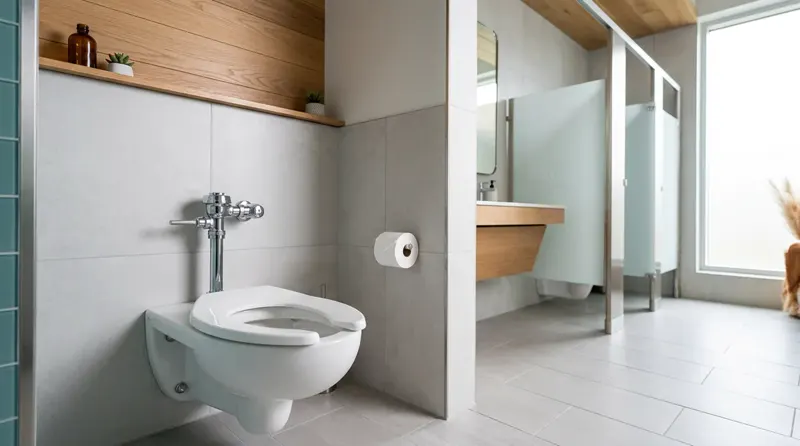
A commercial toilet seat is built for one thing: surviving heavy, repeated use by many people without loosening, cracking, or needing a service call. That's a different priority than a residential seat, where looks and soft-close matter more. If you manage a rental, an office, a restaurant, a gym, or any bathroom that sees real traffic, you want three features above all — a fastening system that never works loose, a surface that shrugs off cleaning chemicals and hides wear, and hardware (hinges, posts) that outlasts the seat itself.
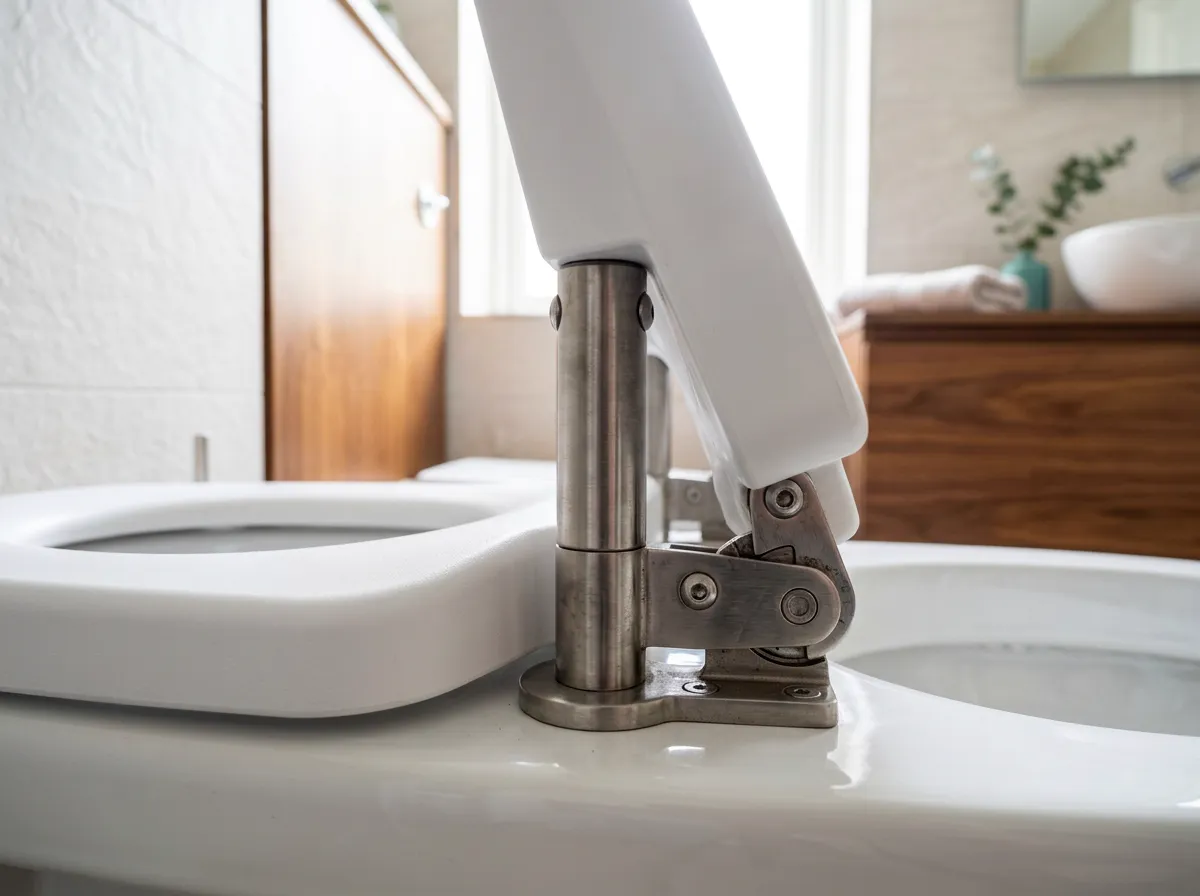
The defining feature of a true commercial seat is the mounting system. Bemis's Stay·Tite and equivalents clamp the seat from below and lock it in place, so it doesn't spin or wobble — the number-one complaint (and maintenance call) with cheap seats. Most commercial seats are also open-front (the U-shaped gap) for hygiene, and use molded-in color plastic rather than paint, so scratches don't show a different color underneath.
Below are the commercial toilet seats we'd specify — from a made-in-USA Bemis workhorse to an antimicrobial value pick and a high-capacity option for heavy-traffic or bariatric settings. All install like a standard seat, so they work just as well on a residential toilet you simply want to stop replacing every year.
| # | Pick | Price | Rating | |
|---|---|---|---|---|
| 1 | Best commercial workhorse (open-front) Bemis 1955SSCT Commercial Open-Front Toilet Seat The made-in-USA commercial default — Stay·Tite never-loosen, stainless hardware, case-buy value. |
$30–$50 | ★★★★☆ 4.4 | Check price |
| 2 | Best commercial seat with a lid + high capacity Bemis 1000CPT Paramont Heavy Duty Toilet Seat Commercial durability with a lid — Stay·Tite, 1,000 lb, the guest-facing high-use pick. |
$85–$110 | ★★★★☆ 4.4 | Check price |
| 3 | Best value commercial seat (antimicrobial) American Standard 5901110T.020 Commercial Toilet Seat The value commercial pick — 500 lb, stainless hinges, EverClean antimicrobial, under $40. |
$30–$45 | ★★★★☆ 4.0 | Check price |
| 4 | Best high-capacity commercial seat (bariatric/healthcare) Big John 7-W Classic Toilet Seat Bariatric-grade capacity for commercial use — ADA, open-front, healthcare-proven. |
$110–$130 | ★★★★★ 4.5 | Check price |
Bemis 1955SSCT Commercial Open-Front Toilet Seat
Key features: Commercial open-front design, no lid · Stay·Tite commercial fastening — installs fast and won't loosen · 300-series stainless steel posts and pintles · Molded-in color, heavy-duty plastic — resists chips, stains, and wear · No-slam / self-sustaining hinge behavior for high-traffic use · Made in USA; elongated; available in black and white
Pros
- Stay·Tite fastening is the reason to buy commercial — it stays tight and cuts service calls
- Stainless steel posts and pintles outlast the zinc hardware on cheap seats
- Molded-in color hides scratches from heavy cleaning
- Open-front is the hygiene standard for public/commercial restrooms
- Made in USA and priced like a value seat despite commercial hardware
Cons
- Open-front with no lid — purely functional, not for a guest-facing bathroom
- Elongated only in this model — confirm your bowl shape
- No published high weight rating — for bariatric-grade capacity, step up to the Paramont or Big John
- No soft-close or cushion — a true no-frills commercial seat
Who it's for: Landlords, facilities managers, and anyone outfitting a high-traffic or multi-unit bathroom who wants a made-in-USA seat that stays tight and survives constant use — and homeowners simply tired of replacing loose, cracked seats.
Bemis 1000CPT Paramont Heavy Duty Toilet Seat
Key features: 1,000 lb weight capacity (manufacturer-stated) · Closed-front design with a cover · Stay·Tite commercial fastening — never loosens · Chrome hinges with 300-series stainless steel posts and pintles · 16.5 in wide x 18.875 in deep; molded-in color polypropylene · Universal fit; four ring bumpers for load distribution
Pros
- Stay·Tite fastening plus a closed-front lid — commercial durability with a finished look
- 1,000 lb capacity suits gyms, healthcare, and heavy-use settings
- Universal fit removes bowl-shape guesswork for a bulk order
- Stainless hardware and molded-in color for long service life
- Field-proven in hotels and hospitals
Cons
- Costs more than an open-front value seat — worth it only if you need the lid or the capacity
- Closed-front is less standard in pure public-restroom settings
- At 16.5 inches, not oversized — for extreme width choose the Big John
- Plastic surface can feel cool in winter
Who it's for: Hospitality, offices, short-term rentals, and healthcare settings that want commercial durability but need a finished, lidded look — and any high-use bathroom that also serves larger users.
American Standard 5901110T.020 Commercial Toilet Seat
Key features: 500 lb static weight capacity (manufacturer-stated) · Open-front design, no cover · Injection-molded polypropylene with stainless steel check hinges · Permanent EverClean antimicrobial surface · Large molded-in bumpers; 18 9/16 in long x 14 3/8 in wide · Deployed in schools, airports, and hospitals
Pros
- EverClean antimicrobial surface inhibits bacteria and mildew — a real edge in shared restrooms
- 500 lb rating and stainless check hinges at a value price
- Check hinges stop the seat flopping back against the tank
- Long field record in high-traffic public settings
- Slim, standard look that also works at home
Cons
- Open-front, no cover — commercial aesthetic
- 500 lb rating, not bariatric-grade
- No Stay·Tite-style clamp — uses standard commercial mounting
- No soft-close or frills
Who it's for: Budget-focused facilities and landlords who want an antimicrobial, commercial-grade open-front seat at the lowest sensible price — and a great pick for schools, gyms, and high-turnover rentals.
Big John 7-W Classic Toilet Seat
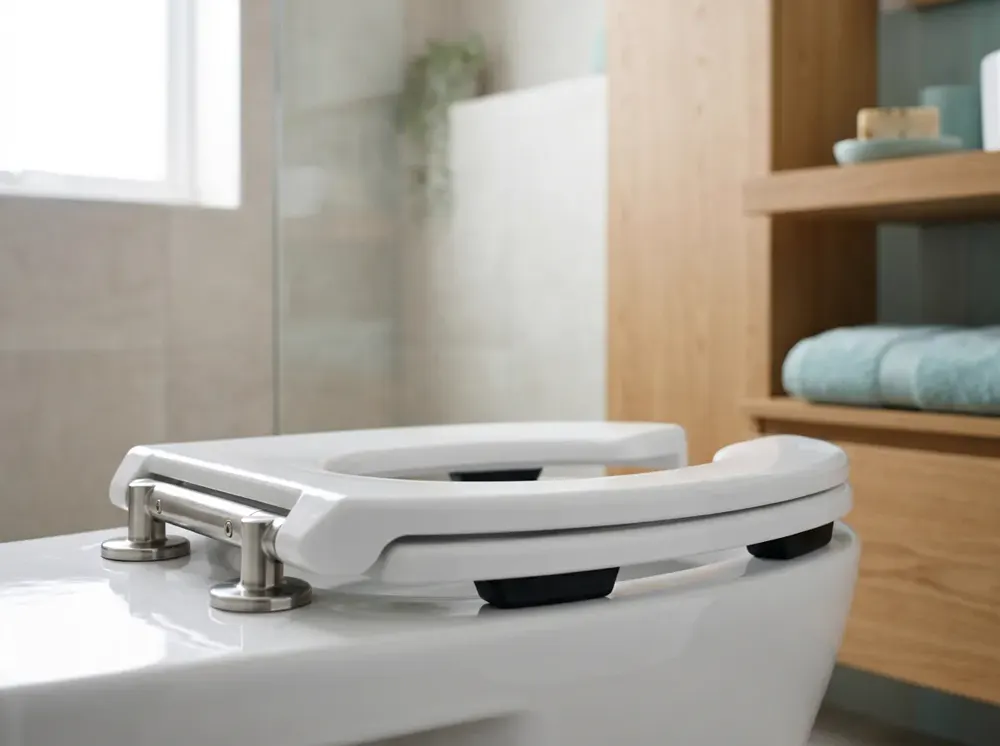
Key features: 1,000 lb weight capacity per Big John's seat category listing and its printed comparison flyer — the 7-W product page separately claims over 1,200 pounds, so the manufacturer's own figures conflict and we cite the lower one · Open-front design, no lid (commercial/clinical standard) · High-impact ABS plastic with stainless steel hinges · Large stabilizing rubber bumpers on the underside · ADA compliant; meets ASME/ANSI/IAPMO standards · Universal fit — round and elongated
Pros
- Bariatric-grade capacity — for gyms, healthcare, and any commercial setting serving larger users
- Open-front and ADA compliant — meets the hygiene and accessibility standards commercial buyers need
- Wide bumpers keep it from shifting under heavy transfers
- Universal fit simplifies a multi-bathroom install
- Long track record in healthcare and rehab facilities
Cons
- Highest price here — justified only where high capacity is actually needed
- No lid; wider than the bowl rim, so it reads clinical
- Overkill for a normal-traffic office or rental restroom
- Keeps close to a standard seat width at roughly 14 inches, so it adds capacity rather than sitting area
Who it's for: Commercial and institutional settings that serve larger or bariatric users — healthcare, rehab, gyms, and accessible public restrooms — where a standard commercial seat's capacity isn't enough.
Commercial toilet seats compared
| Seat | Capacity | Front / lid | Fastening | Surface | Fit | Price |
|---|---|---|---|---|---|---|
| Bemis 1955SSCT | Not published | Open-front, no lid | Stay·Tite (never loosens) | Molded-in color plastic | Elongated only | $30–$50 |
| Bemis 1000CPT Paramont | 1,000 lb | Closed-front, lid included | Stay·Tite (never loosens) | Molded-in color polypropylene | Universal (round + elongated) | $85–$110 |
| American Standard 5901110T | 500 lb | Open-front, no lid | Standard commercial mount | EverClean antimicrobial | Elongated only | $30–$45 |
| Big John 7-W Classic | 1,000 lb | Open-front, no lid | Standard bolts + wide rubber bumpers | High-impact ABS | Universal (round + elongated) | $110–$130 |
Capacities are manufacturer-stated; the Bemis 1955SSCT publishes no load rating, so for a documented high-capacity install choose the Paramont or the Big John. Prices are typical U.S. retail ranges.
Buying for a facility: landlords, property managers, and multi-unit orders
If you're outfitting more than one bathroom, standardize on a single model across the property. One consistent seat means one spare in the storage closet fits every toilet, every bathroom follows the same maintenance routine, and a replacement takes ten minutes instead of a trip to match an unknown seat. Elongated is the most common commercial bowl shape, but confirm each bowl before a bulk order — or pick a universal-fit model like the Bemis Paramont or Big John 7-W and skip the bowl-shape audit entirely.
For public and high-traffic restrooms, open-front is the hygiene standard referenced in many plumbing codes, and there's no lid to crack or slam — that's the Bemis 1955SSCT or American Standard 5901 lane. For guest-facing settings (offices, hospitality, short-term rentals) a closed-front lidded commercial seat like the Paramont looks right while keeping the Stay·Tite hardware. And where the restroom serves larger users — gyms, healthcare, accessible stalls — specify a documented capacity: the Paramont and the ADA-compliant Big John 7-W both carry manufacturer-stated 1,000 lb ratings. Our bariatric seat guide covers that requirement in depth.
The line item that actually decides total cost of ownership is the fastening system. A loose, wobbling seat is the number-one seat-related maintenance call, and Stay·Tite-style fastening — which clamps from below and needs a tool to remove — eliminates it. Paying a few dollars more per seat for hardware that never generates a call-back is the cheapest maintenance contract you'll ever buy.
What matters before you buy
- Fastening system — the thing that actually matters. A commercial seat lives or dies on whether it stays put. Bemis Stay·Tite and similar systems clamp from below and require a tool to remove, eliminating the spin-and-wobble that drives residential seats to the trash and generates maintenance calls in facilities. This one feature is the main reason to buy commercial over a cheap hardware-store seat, even at home.
- Open-front vs. closed-front (with lid). Open-front seats (the U-shaped gap) are the code-referenced standard in many public and commercial restrooms for hygiene, and they have no lid to break. Closed-front seats with a cover look more finished and control odor — better for offices, short-term rentals, and hospitality where appearance matters. Pick open-front for pure function and public restrooms, closed-front where guests see it.
- Surface: molded-in color and antimicrobial. Commercial seats use solid molded-in color, not paint, so scratches don't reveal a contrasting layer and the seat still looks acceptable after years of scrubbing. Antimicrobial surface treatments (like American Standard's EverClean) inhibit bacteria, mold, and mildew — a genuine benefit in shared and high-traffic bathrooms, not just marketing.
- Hinge and post material. Look for 300-series stainless steel posts and pintles. Painted or zinc hardware corrodes and fatigues under constant use and cleaning; stainless is the commercial standard and is often the difference between a 2-year seat and a 5-plus-year seat. Check hinges that hold the seat open (self-sustaining) are also worth having in high-traffic settings.
- Weight capacity for heavy-use settings. Standard commercial seats aren't rated for extreme loads, but for gyms, healthcare, or any setting with larger users, a published high-capacity rating matters. The Bemis Paramont (1,000 lb) and Big John 7-W (1,000 lb) bring bariatric-grade capacity to a commercial install; the standard open-front and antimicrobial picks cover normal high-traffic use at a lower price.
- Fit and buying in quantity. Commercial seats use the universal 5.5-inch bolt spread and come in elongated (most common in commercial) and round. Confirm bowl shape before a bulk order. For multi-unit properties, buying a single consistent model simplifies stocking spares and keeps every bathroom on the same maintenance routine.
How we ranked these
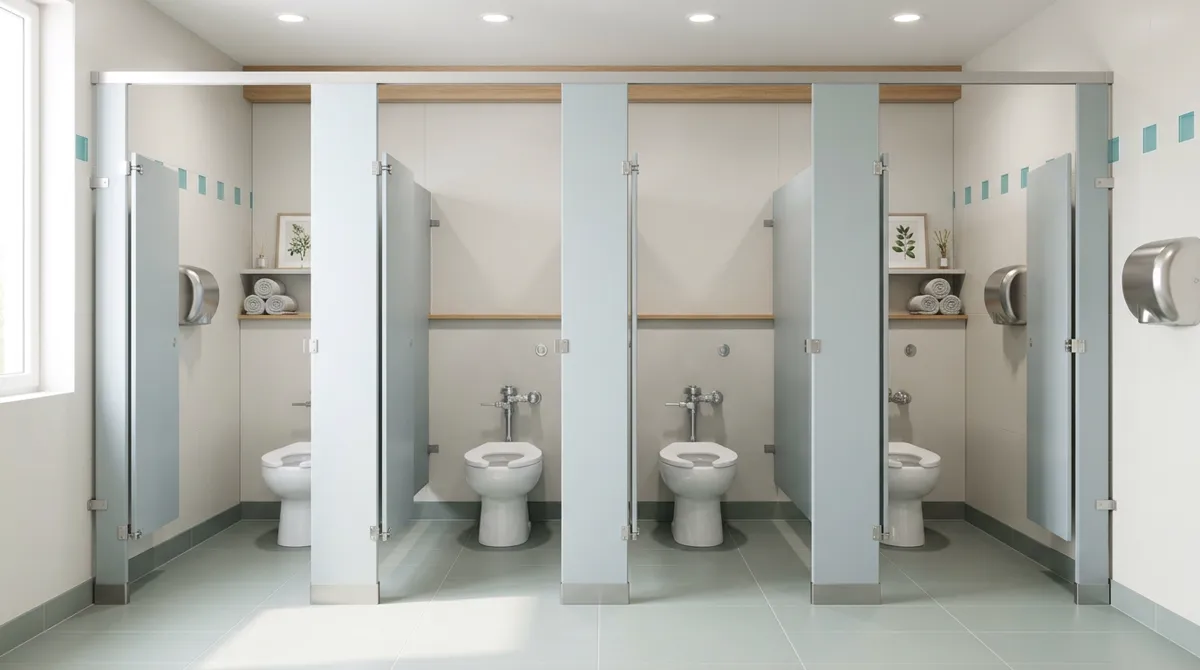
We ranked commercial seats on the factors that decide total cost of ownership in a high-traffic bathroom: the fastening system (does it stay tight, or generate maintenance calls?), hinge and post material (stainless outlasts zinc), surface durability (molded-in color, antimicrobial treatment, chemical resistance), and open- vs. closed-front design. Weight capacity matters for heavy-use or bariatric-commercial settings and is called out where published. We give extra weight to seats with a documented field record in hospitality and healthcare, because those buyers replace on a schedule and leave a clear durability trail. We synthesize spec sheets, trade/plumbing sources, and verified reviews at scale; we test these seats ourselves, and cited ratings still come from the manufacturer.
Frequently asked questions
What makes a toilet seat 'commercial'?
Three things: a heavy-duty fastening system that won't loosen (like Bemis Stay·Tite), durable materials (molded-in color plastic, 300-series stainless steel posts, often an antimicrobial surface), and usually an open-front design for hygiene. Commercial seats are engineered for constant use by many people and for repeated cleaning with strong chemicals — priorities that matter more than looks or soft-close.
Why are commercial toilet seats open-front?
The U-shaped open front is the hygiene standard referenced in many plumbing codes for public and commercial restrooms — it's easier to keep clean and there's no lid to crack or slam. Closed-front commercial seats with lids also exist for settings where appearance matters (offices, hospitality, rentals); the open front is about function in high-traffic public use.
Are commercial toilet seats more durable than residential ones?
Yes, meaningfully. The fastening system stays tight instead of working loose, the hardware is stainless rather than zinc or painted, and the molded-in color and often antimicrobial surface hold up to heavy use and harsh cleaning. In practice a commercial seat outlasts several cheap residential seats in the same spot — which is why they're common even in homes where the owner is tired of replacing seats.
Can I use a commercial toilet seat on a residential toilet at home?
Absolutely. Commercial seats use the same universal 5.5-inch bolt spread and install exactly like a residential seat, in under ten minutes. Many homeowners choose one specifically to stop the seat from loosening or to get the antimicrobial surface. If you want the finished look, choose a closed-front commercial model with a lid rather than an open-front.
What is the Bemis Stay·Tite fastening system?
Stay·Tite is Bemis's commercial mounting system that clamps the seat to the bowl from below and locks it, so it doesn't spin or work loose over time. It also cuts installation time versus fiddly wing nuts. It's the single biggest reason commercial Bemis seats stay put in high-traffic bathrooms — and a real upgrade over a standard residential seat even at home.
Related guides & comparisons
- Big John toilet seats: 7-W vs 6-W
- Best heavy-duty toilet seats for heavy people
- Best bariatric toilet seats
- Best toilet seats (overall)
- Best soft-close toilet seats
- Best elongated toilet seats
Sources
- Bemis — Paramont 1000CPT 000 universal plastic toilet seat with Stay·Tite Commercial Fastening System
- Bemis — Paramont 1000CPT plastic toilet seat specification sheet
- Bemis — Toilet size guide: round vs. elongated bowl measurements
- American Standard — Commercial Heavy Duty Open Front Elongated Toilet Seat with EverClean Surface (5901110T.020)
- American Standard — 5901 commercial toilet seats specification sheet
- Centoco — FAST-N-LOCK mounting system
- Big John Products — toilet seat category listing: per-model capacity, width, hinge material and ADAAG listings
- Big John Products — Toilet seat comparison flyer, Rev3 0519 (Original 1,200 lb / Standard 6W 800 lb / Classic 7W 1,000 lb)