
TUSHY vs LUXE Bidet
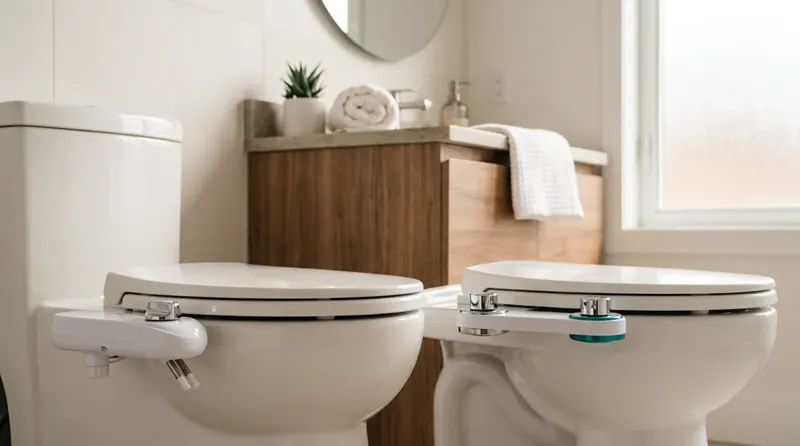
These are the two attachments most people end up choosing between, and they answer two different questions. The TUSHY Classic 3.0 is the pick when you want the nicest cold-water experience — smoother pressure control, a cleaner-looking install, and a brand that has clearly thought about the details. The LUXE Bidet NEO 110 is the pick when you mainly want to find out whether a bidet is for you, for the smallest possible outlay.
Both are non-electric, both spray cold water, and both install in about ten minutes on a standard toilet. The real divide is polish and pressure feel versus rock-bottom price. Below is how they stack up on the things that matter.
| TUSHY Classic 3.0 | LUXE Bidet NEO 110 | |
|---|---|---|
| Price | Higher — $129 on TUSHY's site, about four times the NEO 110, but still well under a smart seat | $29.99 on LUXE's site — the cheapest honest way to try a bidet |
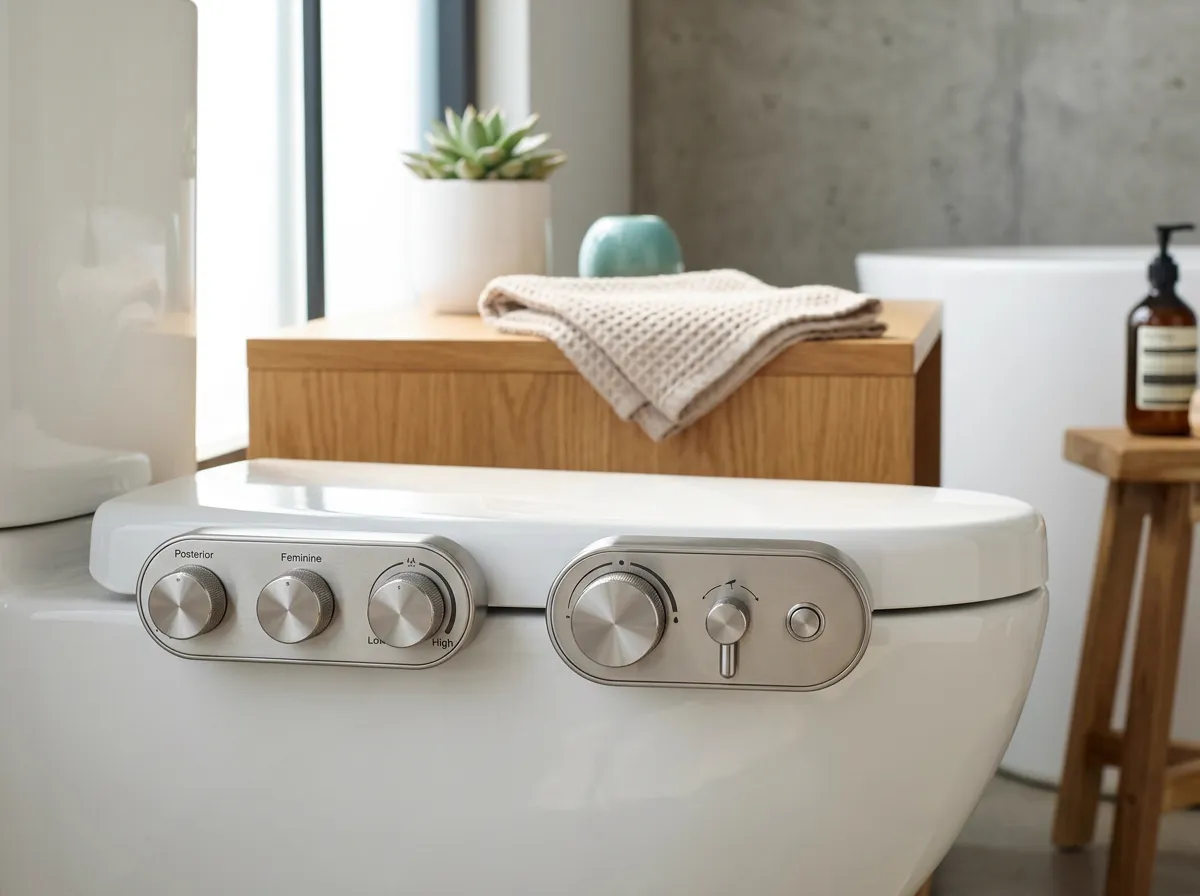
| Water-pressure control | Smooth, well-tuned control knob; pressure ramps up gradually and is easy to dial in | Functional control dial; works fine but feels less refined and can jump from gentle to strong quickly |
| Warm water | Cold only (warm is the separate TUSHY Spa model) | Cold only (warm is the separate NEO 320 model) |
| Nozzle | Single self-cleaning nozzle, angled for a comfortable, accurate rear wash | Single nozzle with a self-cleaning rinse and protective guard gate |
| Build / valves | Solid components and a tidy, low-profile design; feels like a finished product | Better than the price suggests — metal-and-ceramic core valve and braided steel hoses, not all-plastic |
| Installation | About ten minutes; designed for a clean fit and a good look under the seat | About ten minutes; straightforward DIY, fits standard two-piece toilets |
When to choose each
Choose the TUSHY Classic 3.0 if you want the best overall cold-water experience and you're willing to pay more for smoother pressure control, a more refined feel, and a cleaner-looking install. It's the one to buy when you already know you want a bidet and want to get it right the first time.
Read the full review →Choose the LUXE Bidet NEO 110 if your main goal is to try a bidet for as little money as possible without buying junk. The metal-and-ceramic valves and steel hoses mean it punches above its price on reliability, so it's the smart low-risk way to find out if bidet life is for you.
Read the full review →
Our verdict
Frequently asked questions
Are both of these really cold water only?
Yes. The TUSHY Classic 3.0 and the LUXE NEO 110 both spray cold water. If you want warm water without electricity, each brand sells a step-up model that taps your sink's hot-water line — the TUSHY Spa and the LUXE NEO 320, respectively.
Is the TUSHY worth paying more for over the NEO 110?
If you value smoother pressure control and a more refined, better-looking install, yes. If you mostly care about getting clean and spending as little as possible, the NEO 110 does the core job well and its valves and hoses are better than its price would suggest.
Will both fit a standard toilet and install the same way?
Yes. Both are non-electric, slide under your existing seat, connect to the toilet tank's fill line with an included T-adapter, and install in about ten minutes on a standard two-piece toilet. The install process is nearly identical for both.